


The SciNexic Files
The SciNexic Files
The SciNexic Files
Report
Moonshot Hospitality: How GRU Space’s Lunar Hotel could turn Space Sci-Fi Into Reality
Moonshot Hospitality: How GRU Space’s Lunar Hotel could turn Space Sci-Fi Into Reality
“We’re not imagining life beyond Earth. We’re engineering the next human frontier.” — GRU Space
If you’ve ever dreamed of gazing at Earth from a lunar window, strapping on a spacesuit for a moonwalk, or teeing off in one-sixth gravity, you’re not alone. For decades, science fiction has promised us lunar colonies, cosmic hotels, and the thrill of space tourism. Now, a bold new startup is making those dreams tangible. Enter GRU Space—a California-based company with a mission as audacious as any space opera: to open the first hotel on the Moon by 2032, and in doing so, to launch humanity’s next great leap into the cosmos.
From Sci-Fi to Silicon Valley: The GRU Space Vision
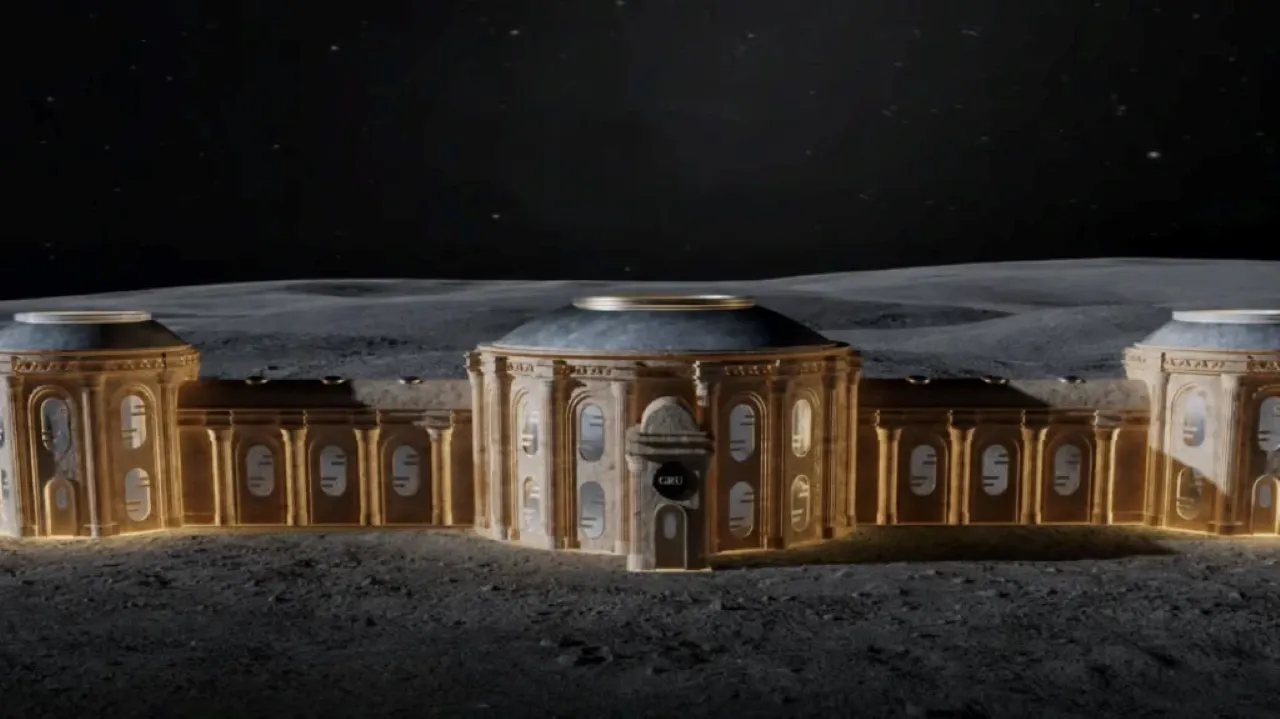
Artist's render of the final hotel might look. Image credit: GRU Space
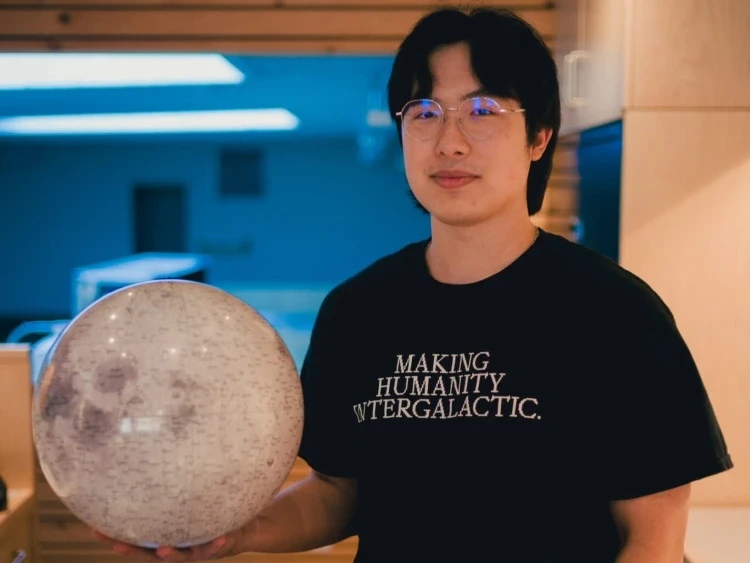
Founded in 2025 by prodigy Skyler Chan—a UC Berkeley graduate, ex-Tesla engineer, and the youngest solo space founder accepted into Y Combinator—GRU Space (Galactic Resource Utilization Space) is not your average aerospace startup. Its core philosophy is that humanity’s expansion into space is not a question of if, but when.

Skylar Chan, the leader and Founder of GRU Space. Image credit: GRU Space
“We live at an inflection point where we can actually become interplanetary before we die,”
Chan declares, echoing the optimism of classic sci-fi visionaries.
GRU Space’s flagship project is the world’s first lunar hotel, a boutique retreat nestled inside the Moon’s natural lava tubes. These underground caverns, shielded from radiation and meteorites, offer a safe haven for the first wave of lunar tourists. The hotel will initially feature just four suites, each with panoramic windows offering jaw-dropping views of the lunar surface and our blue planet hanging in the void.
Building the Impossible: Tech, Team, and Timeline
Turning the Moon into a travel destination is no small feat. GRU Space’s approach is pure sci-fi ingenuity: using in-situ resource utilization (ISRU) to transform lunar regolith—moon dust—into geopolymers for construction. The hotel’s core will be an inflatable module, shielded by bricks made from the Moon itself, assembled by robots and 3D printers. This not only slashes launch costs but also lays the groundwork for future off-world settlements.
The company’s technical roadmap is as ambitious as its vision. In 2029, GRU Space will send a test payload to the lunar surface to trial its construction tech. By 2031, robots will scout for the perfect lava tube. And in 2032, if all goes to plan, the first guests will check in for a five-night stay that promises moonwalks, lunar rover adventures, and even a round of low-gravity golf.
Backing this vision is a team of heavyweights: Dr. Kevin Cannon, a world expert in lunar regolith; Dr. Robert Lillis, a NASA Mars mission principal investigator; and engineers with SpaceX pedigrees. Investors from SpaceX, Nvidia, and Y Combinator have already signed on, signalling serious confidence in the project’s commercial and technological potential.
The Guest Experience: Sci-Fi Dreams Come True
What will it actually be like to stay at the Moon’s first hotel? Think less “sterile lab” and more “luxury adventure.” Guests will don lightweight spacesuits for guided moonwalks, drive rovers across basalt plains, and play golf in gravity that makes every swing a moon-shot. Inside, hydroponic greenhouses will provide fresh food and oxygen, while the suites’ observation windows offer a front-row seat to the greatest show in the solar system: Earthrise.
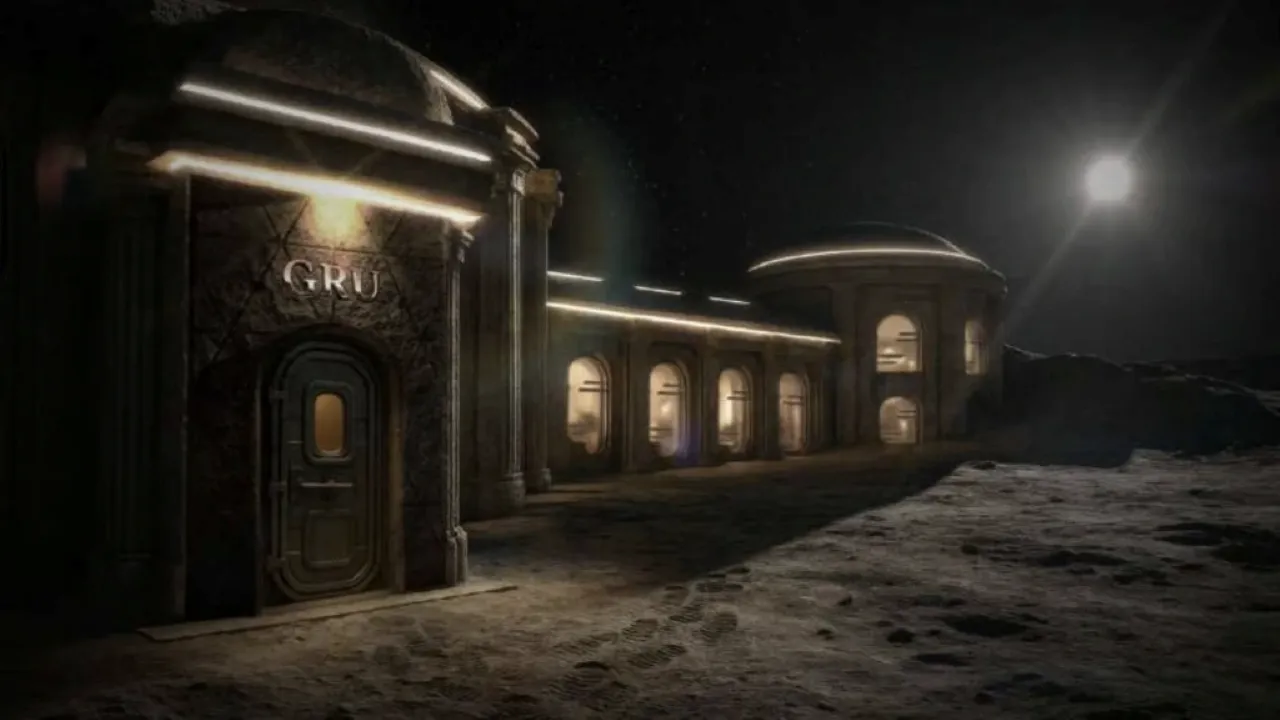
The hotel experiences promises to offer the stunning cosmic views. Image credit: GRU Space
The price tag? Early VIP deposits range from $250,000 to $1 million, with the full experience expected to cost around $10 million per guest. But as infrastructure grows and launch costs fall, GRU Space envisions lunar travel becoming accessible to a broader audience—much as commercial aviation did in the 20th century.
Sci-Fi Roots, Real-World Impact
The idea of a lunar hotel is straight out of the pages of Arthur C. Clarke, Robert Heinlein, and the visual imagination of Stanley Kubrick’s 2001: A Space Odyssey. But what sets GRU Space apart is its determination to move beyond fiction.
“This is not space tourism as we know it. Only twelve humans have ever walked on the Moon, and by taking part at this early stage, you join us as we lay the foundations for life beyond Earth,”
the company proclaims.
The project is more than a luxury getaway—it’s a proof of concept for the technologies and business models needed to build cities on the Moon, Mars, and beyond. As Chan puts it,
“The next trillion-dollar company will be in human infrastructure: building the first cities on the Moon, Mars, and beyond”.
Challenges, Skepticism, and the Road Ahead
Of course, not everyone is convinced. Building a habitable, sustainable hotel on the Moon faces daunting technical, regulatory, and financial hurdles. Even major space agencies have yet to establish permanent lunar bases. But GRU Space’s backers argue that commercial ambition, not government caution, will drive the next era of exploration.
The company is already engaging the public, selling “moon bricks” made from simulated lunar Regolith and inviting early supporters to join the waiting list. It’s a move that channels the participatory spirit of sci-fi fandom and signals that the future of space is, at last, open to all.

Simulated Regolith bricks that public can invest in to support the venture. Image credit: GRU Space
The Final Frontier: Sci-Fi Becomes Our Story
As the 2030s approach, the line between science fiction and reality is blurring. GRU Space’s lunar hotel is more than a headline—it’s a symbol of a civilisation on the cusp of becoming interplanetary. For the first time, ordinary people (with extraordinary means, for now) will have the chance to live out the ultimate space sci-fi fantasy: to travel, explore, and even sleep under the alien sky of another world.
“Humanity’s transition to a space-faring species is not a question of if, but when.” — GRU Space
The Moon awaits…
Find out more:
For more space sci-fi tech, reviews, and news, keep your sensors locked on Scinexic.com. The galaxy awaits!
“We’re not imagining life beyond Earth. We’re engineering the next human frontier.” — GRU Space
If you’ve ever dreamed of gazing at Earth from a lunar window, strapping on a spacesuit for a moonwalk, or teeing off in one-sixth gravity, you’re not alone. For decades, science fiction has promised us lunar colonies, cosmic hotels, and the thrill of space tourism. Now, a bold new startup is making those dreams tangible. Enter GRU Space—a California-based company with a mission as audacious as any space opera: to open the first hotel on the Moon by 2032, and in doing so, to launch humanity’s next great leap into the cosmos.
From Sci-Fi to Silicon Valley: The GRU Space Vision
Artist's render of the final hotel might look. Image credit: GRU Space
Founded in 2025 by prodigy Skyler Chan—a UC Berkeley graduate, ex-Tesla engineer, and the youngest solo space founder accepted into Y Combinator—GRU Space (Galactic Resource Utilization Space) is not your average aerospace startup. Its core philosophy is that humanity’s expansion into space is not a question of if, but when.
Skylar Chan, the leader and Founder of GRU Space. Image credit: GRU Space
“We live at an inflection point where we can actually become interplanetary before we die,”
Chan declares, echoing the optimism of classic sci-fi visionaries.
GRU Space’s flagship project is the world’s first lunar hotel, a boutique retreat nestled inside the Moon’s natural lava tubes. These underground caverns, shielded from radiation and meteorites, offer a safe haven for the first wave of lunar tourists. The hotel will initially feature just four suites, each with panoramic windows offering jaw-dropping views of the lunar surface and our blue planet hanging in the void.
Building the Impossible: Tech, Team, and Timeline
Turning the Moon into a travel destination is no small feat. GRU Space’s approach is pure sci-fi ingenuity: using in-situ resource utilization (ISRU) to transform lunar regolith—moon dust—into geopolymers for construction. The hotel’s core will be an inflatable module, shielded by bricks made from the Moon itself, assembled by robots and 3D printers. This not only slashes launch costs but also lays the groundwork for future off-world settlements.
The company’s technical roadmap is as ambitious as its vision. In 2029, GRU Space will send a test payload to the lunar surface to trial its construction tech. By 2031, robots will scout for the perfect lava tube. And in 2032, if all goes to plan, the first guests will check in for a five-night stay that promises moonwalks, lunar rover adventures, and even a round of low-gravity golf.
Backing this vision is a team of heavyweights: Dr. Kevin Cannon, a world expert in lunar regolith; Dr. Robert Lillis, a NASA Mars mission principal investigator; and engineers with SpaceX pedigrees. Investors from SpaceX, Nvidia, and Y Combinator have already signed on, signalling serious confidence in the project’s commercial and technological potential.
The Guest Experience: Sci-Fi Dreams Come True
What will it actually be like to stay at the Moon’s first hotel? Think less “sterile lab” and more “luxury adventure.” Guests will don lightweight spacesuits for guided moonwalks, drive rovers across basalt plains, and play golf in gravity that makes every swing a moon-shot. Inside, hydroponic greenhouses will provide fresh food and oxygen, while the suites’ observation windows offer a front-row seat to the greatest show in the solar system: Earthrise.
The hotel experiences promises to offer the stunning cosmic views. Image credit: GRU Space
The price tag? Early VIP deposits range from $250,000 to $1 million, with the full experience expected to cost around $10 million per guest. But as infrastructure grows and launch costs fall, GRU Space envisions lunar travel becoming accessible to a broader audience—much as commercial aviation did in the 20th century.
Sci-Fi Roots, Real-World Impact
The idea of a lunar hotel is straight out of the pages of Arthur C. Clarke, Robert Heinlein, and the visual imagination of Stanley Kubrick’s 2001: A Space Odyssey. But what sets GRU Space apart is its determination to move beyond fiction.
“This is not space tourism as we know it. Only twelve humans have ever walked on the Moon, and by taking part at this early stage, you join us as we lay the foundations for life beyond Earth,”
the company proclaims.
The project is more than a luxury getaway—it’s a proof of concept for the technologies and business models needed to build cities on the Moon, Mars, and beyond. As Chan puts it,
“The next trillion-dollar company will be in human infrastructure: building the first cities on the Moon, Mars, and beyond”.
Challenges, Skepticism, and the Road Ahead
Of course, not everyone is convinced. Building a habitable, sustainable hotel on the Moon faces daunting technical, regulatory, and financial hurdles. Even major space agencies have yet to establish permanent lunar bases. But GRU Space’s backers argue that commercial ambition, not government caution, will drive the next era of exploration.
The company is already engaging the public, selling “moon bricks” made from simulated lunar Regolith and inviting early supporters to join the waiting list. It’s a move that channels the participatory spirit of sci-fi fandom and signals that the future of space is, at last, open to all.
Simulated Regolith bricks that public can invest in to support the venture. Image credit: GRU Space
The Final Frontier: Sci-Fi Becomes Our Story
As the 2030s approach, the line between science fiction and reality is blurring. GRU Space’s lunar hotel is more than a headline—it’s a symbol of a civilisation on the cusp of becoming interplanetary. For the first time, ordinary people (with extraordinary means, for now) will have the chance to live out the ultimate space sci-fi fantasy: to travel, explore, and even sleep under the alien sky of another world.
“Humanity’s transition to a space-faring species is not a question of if, but when.” — GRU Space
The Moon awaits…
Find out more:
For more space sci-fi tech, reviews, and news, keep your sensors locked on Scinexic.com. The galaxy awaits!
“We’re not imagining life beyond Earth. We’re engineering the next human frontier.” — GRU Space
If you’ve ever dreamed of gazing at Earth from a lunar window, strapping on a spacesuit for a moonwalk, or teeing off in one-sixth gravity, you’re not alone. For decades, science fiction has promised us lunar colonies, cosmic hotels, and the thrill of space tourism. Now, a bold new startup is making those dreams tangible. Enter GRU Space—a California-based company with a mission as audacious as any space opera: to open the first hotel on the Moon by 2032, and in doing so, to launch humanity’s next great leap into the cosmos.
From Sci-Fi to Silicon Valley: The GRU Space Vision
Artist's render of the final hotel might look. Image credit: GRU Space
Founded in 2025 by prodigy Skyler Chan—a UC Berkeley graduate, ex-Tesla engineer, and the youngest solo space founder accepted into Y Combinator—GRU Space (Galactic Resource Utilization Space) is not your average aerospace startup. Its core philosophy is that humanity’s expansion into space is not a question of if, but when.
Skylar Chan, the leader and Founder of GRU Space. Image credit: GRU Space
“We live at an inflection point where we can actually become interplanetary before we die,”
Chan declares, echoing the optimism of classic sci-fi visionaries.
GRU Space’s flagship project is the world’s first lunar hotel, a boutique retreat nestled inside the Moon’s natural lava tubes. These underground caverns, shielded from radiation and meteorites, offer a safe haven for the first wave of lunar tourists. The hotel will initially feature just four suites, each with panoramic windows offering jaw-dropping views of the lunar surface and our blue planet hanging in the void.
Building the Impossible: Tech, Team, and Timeline
Turning the Moon into a travel destination is no small feat. GRU Space’s approach is pure sci-fi ingenuity: using in-situ resource utilization (ISRU) to transform lunar regolith—moon dust—into geopolymers for construction. The hotel’s core will be an inflatable module, shielded by bricks made from the Moon itself, assembled by robots and 3D printers. This not only slashes launch costs but also lays the groundwork for future off-world settlements.
The company’s technical roadmap is as ambitious as its vision. In 2029, GRU Space will send a test payload to the lunar surface to trial its construction tech. By 2031, robots will scout for the perfect lava tube. And in 2032, if all goes to plan, the first guests will check in for a five-night stay that promises moonwalks, lunar rover adventures, and even a round of low-gravity golf.
Backing this vision is a team of heavyweights: Dr. Kevin Cannon, a world expert in lunar regolith; Dr. Robert Lillis, a NASA Mars mission principal investigator; and engineers with SpaceX pedigrees. Investors from SpaceX, Nvidia, and Y Combinator have already signed on, signalling serious confidence in the project’s commercial and technological potential.
The Guest Experience: Sci-Fi Dreams Come True
What will it actually be like to stay at the Moon’s first hotel? Think less “sterile lab” and more “luxury adventure.” Guests will don lightweight spacesuits for guided moonwalks, drive rovers across basalt plains, and play golf in gravity that makes every swing a moon-shot. Inside, hydroponic greenhouses will provide fresh food and oxygen, while the suites’ observation windows offer a front-row seat to the greatest show in the solar system: Earthrise.
The hotel experiences promises to offer the stunning cosmic views. Image credit: GRU Space
The price tag? Early VIP deposits range from $250,000 to $1 million, with the full experience expected to cost around $10 million per guest. But as infrastructure grows and launch costs fall, GRU Space envisions lunar travel becoming accessible to a broader audience—much as commercial aviation did in the 20th century.
Sci-Fi Roots, Real-World Impact
The idea of a lunar hotel is straight out of the pages of Arthur C. Clarke, Robert Heinlein, and the visual imagination of Stanley Kubrick’s 2001: A Space Odyssey. But what sets GRU Space apart is its determination to move beyond fiction.
“This is not space tourism as we know it. Only twelve humans have ever walked on the Moon, and by taking part at this early stage, you join us as we lay the foundations for life beyond Earth,”
the company proclaims.
The project is more than a luxury getaway—it’s a proof of concept for the technologies and business models needed to build cities on the Moon, Mars, and beyond. As Chan puts it,
“The next trillion-dollar company will be in human infrastructure: building the first cities on the Moon, Mars, and beyond”.
Challenges, Skepticism, and the Road Ahead
Of course, not everyone is convinced. Building a habitable, sustainable hotel on the Moon faces daunting technical, regulatory, and financial hurdles. Even major space agencies have yet to establish permanent lunar bases. But GRU Space’s backers argue that commercial ambition, not government caution, will drive the next era of exploration.
The company is already engaging the public, selling “moon bricks” made from simulated lunar Regolith and inviting early supporters to join the waiting list. It’s a move that channels the participatory spirit of sci-fi fandom and signals that the future of space is, at last, open to all.
Simulated Regolith bricks that public can invest in to support the venture. Image credit: GRU Space
The Final Frontier: Sci-Fi Becomes Our Story
As the 2030s approach, the line between science fiction and reality is blurring. GRU Space’s lunar hotel is more than a headline—it’s a symbol of a civilisation on the cusp of becoming interplanetary. For the first time, ordinary people (with extraordinary means, for now) will have the chance to live out the ultimate space sci-fi fantasy: to travel, explore, and even sleep under the alien sky of another world.
“Humanity’s transition to a space-faring species is not a question of if, but when.” — GRU Space
The Moon awaits…
Find out more:
For more space sci-fi tech, reviews, and news, keep your sensors locked on Scinexic.com. The galaxy awaits!
Get the SciNexic Dispatch
Space sci-fi news, reviews, trailers, and release picks—straight to your inbox.
Get the dispatch
Image Gallery
Comments
Please be kind and considerate. Any abusive or offensive comments will be sent out the airlock! Thank You.
Please be kind and considerate. Any abusive or offensive comments will be sent out the airlock! Thank You.
Get the Dispatch
Related Posts
Share on Instagram
Banner Image - GRU Space Founder image - founded.com
Main Article - All images and media are the property of their respective owners. Copyright: GRU Space