


Space Sci-Fi Related Technology and Innovation
Orbital at Last: SpaceX Starship's 14th Flight Rewrites the Real-World Space Sci-Fi Timeline
Technology
Rithic P
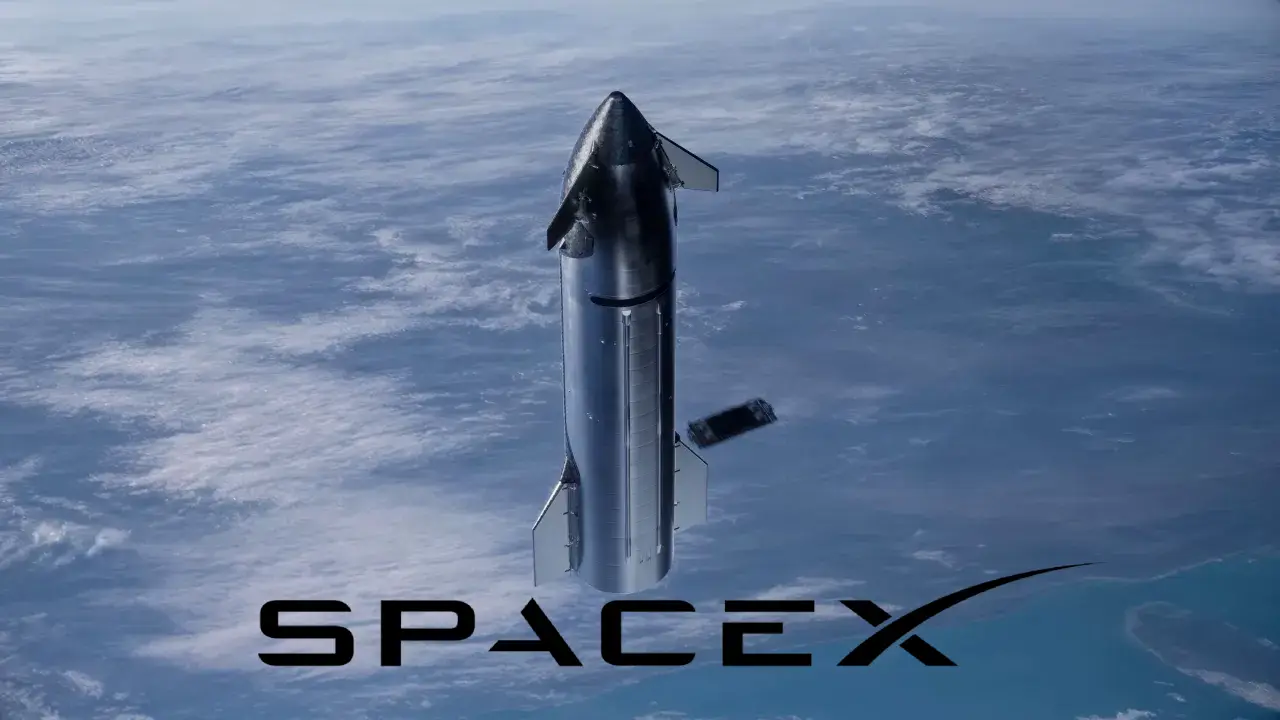
At 17,500 miles per hour, a vehicle constructed primarily of stainless steel plates and welded seams became the largest object ever to reach orbital velocity from a single launch — and it did so with two of its engines dead. SpaceX's Starship Flight 14, which lifted off from Starbase, Texas, on 28 September 2026 at 8:49 a.m. EDT, achieved what thirteen previous test flights had not: a stable operational orbit of roughly 275 km, a successful commercial payload deployment, and a controlled re-entry splashdown.

The Lucas Museum of Narrative Art: Where Space Sci-Fi Meets the History of Visual Storytelling
Technology
Rithic P
Space sci‑fi’s boldest ideas don’t always come from distant galaxies — sometimes they come from a filmmaker obsessed with preserving the art that shaped him. After decades of planning, the Lucas Museum of Narrative Art finally opened on 22 September 2026, unveiling a 300,000‑square‑foot tribute to the power of visual storytelling.

These futuristic vehicles could easily blend into any upcoming space sci‑fi film or TV show
Technology
Rithic P
There’s a moment in every era of design when reality quietly overtakes imagination. In the 1970s, NASA prototypes looked stranger than the sci‑fi films that tried to imitate them. In the 1990s, concept cars flirted with cyberpunk long before Hollywood caught on. And now, in 2026, something uncanny is happening again.
The Artemis Paradox: Why China’s Chang’e 7 Mission Is Writing Tomorrow’s Space Opera Today
Technology
Rithic P
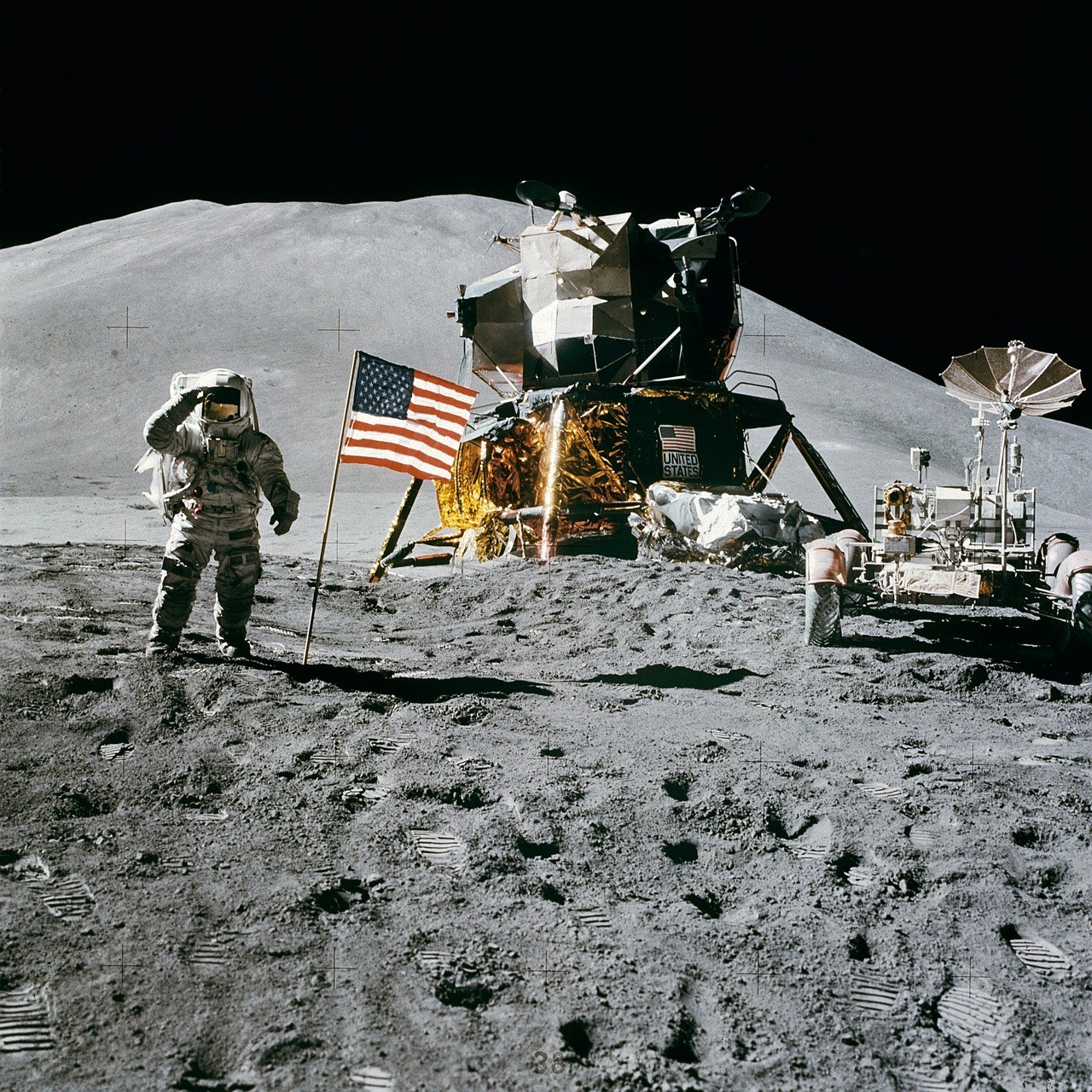
The Moon is no longer just a symbol of human aspiration—it’s the next battleground in a high-stakes global race for resources, power, and technological supremacy. As NASA’s Artemis II prepares for its historic crewed lunar flyby and China’s Chang’e 7 mission readies a robotic leap to the lunar south pole, the world is witnessing a real-life space sci-fi drama that rivals anything Hollywood could imagine.
Load More