


The SciNexic Files, our Space Sci-Fi Blog
Your portal to space sci-fi movie and tv show wonders and more!
You've reached The SciNexic Files. Our cosmic sci-fi blog shares insights and thoughts on the latest releases, unearthing hidden gems and celebrating the legends of sci-fi.
Featured
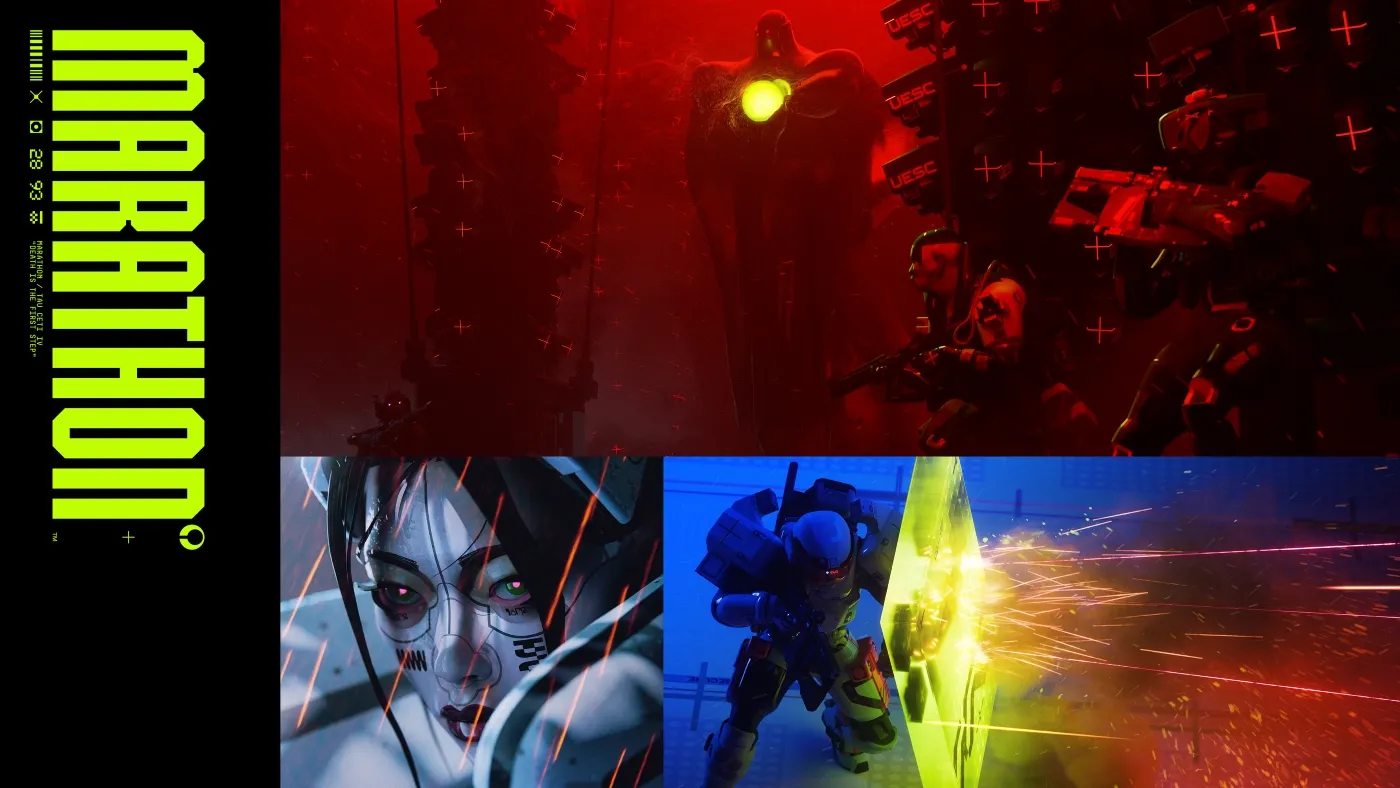
The Lore Behind Marathon Is Full of Juicy Space Sci-Fi Goodness
Gaming
You play as a cybernetic “Runner” on the lost colony world of Tau Ceti IV, scavenging for loot and secrets while facing off against rival players, AI threats, and the enigmatic UESC Marathon ghost ship in orbit.
You play as a cybernetic “Runner” on the lost colony world of Tau Ceti IV, scavenging for loot and secrets while facing off against rival players, AI threats, and the enigmatic UESC Marathon ghost ship in orbit.
Your portal to space sci-fi movie and tv show wonders and more!
You've reached The SciNexic Files. Our cosmic sci-fi blog shares insights and thoughts on the latest releases, unearthing hidden gems and celebrating the legends of sci-fi.
Latest Posts

Review
The Ark Season 3: A Space Sci-Fi Underdog Finds Its Mission
TV/Series
Rithic P
The Ark season 3 has not disappointed. From the terrors on Ross to the mysteries surrounding Homebase, the series has embraced its search-and-rescue direction with welcome ambition.
Feature
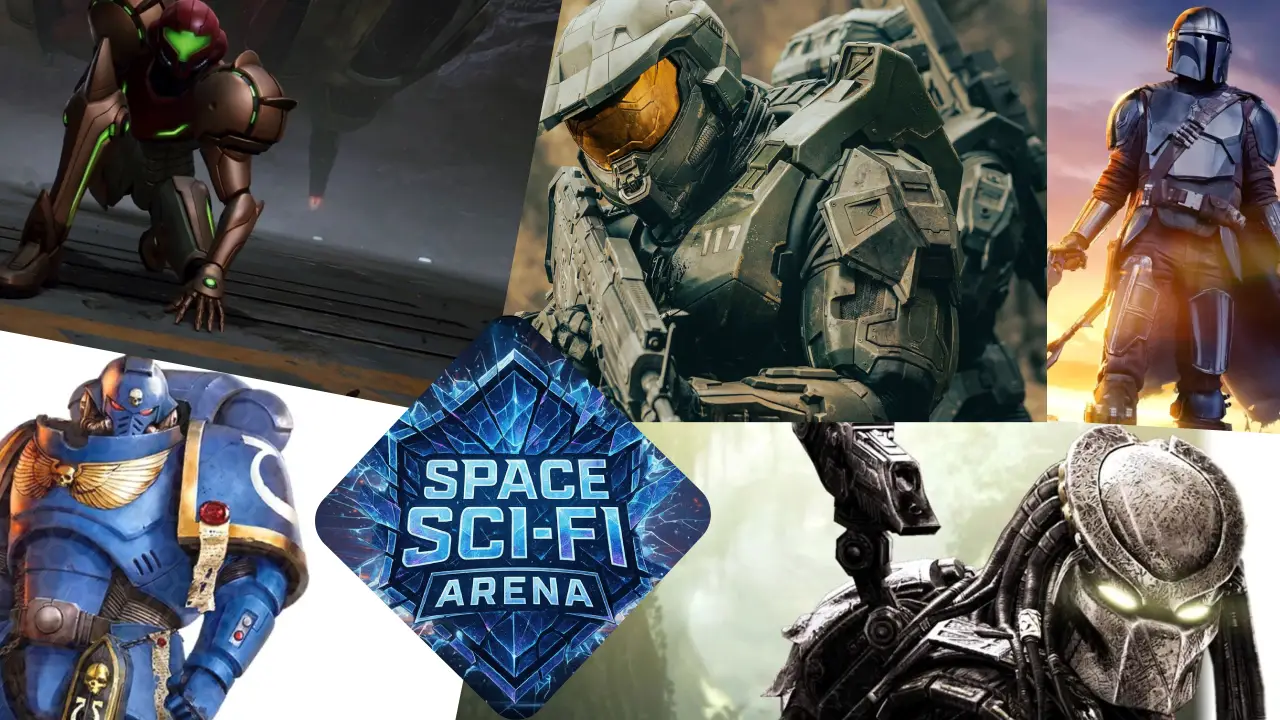
SciNexic Space Sci-Fi Warrior Arena Pt2: Who is the Ultimate Cosmic Champion?
Insights
Rithic P
Welcome to Part 2 of our Space Sci-Fi Arena feature. In part 1 five of the galaxy’s most legendary space sci-fi warriors—Master Chief, Iron Man, Space Marine, Predator, and Din Djarin—were enrolled into our ultimate arena. Together, these space sci-fi icons set the gold standard for intergalactic combat, each a testament to the boundless imagination and tactica of the genre.

Review
Star Trek: Strange New Worlds Season 4 Is Uneven — But Its Originality Still Matters
TV/Series
Rithic P
Star Trek: Strange New Worlds Season 4 is a frustratingly uneven voyage: half of it feels routine and overextended, yet its determination to try strange, playful and genuinely original ideas remains worth celebrating.
Space Sci-Fi Guides
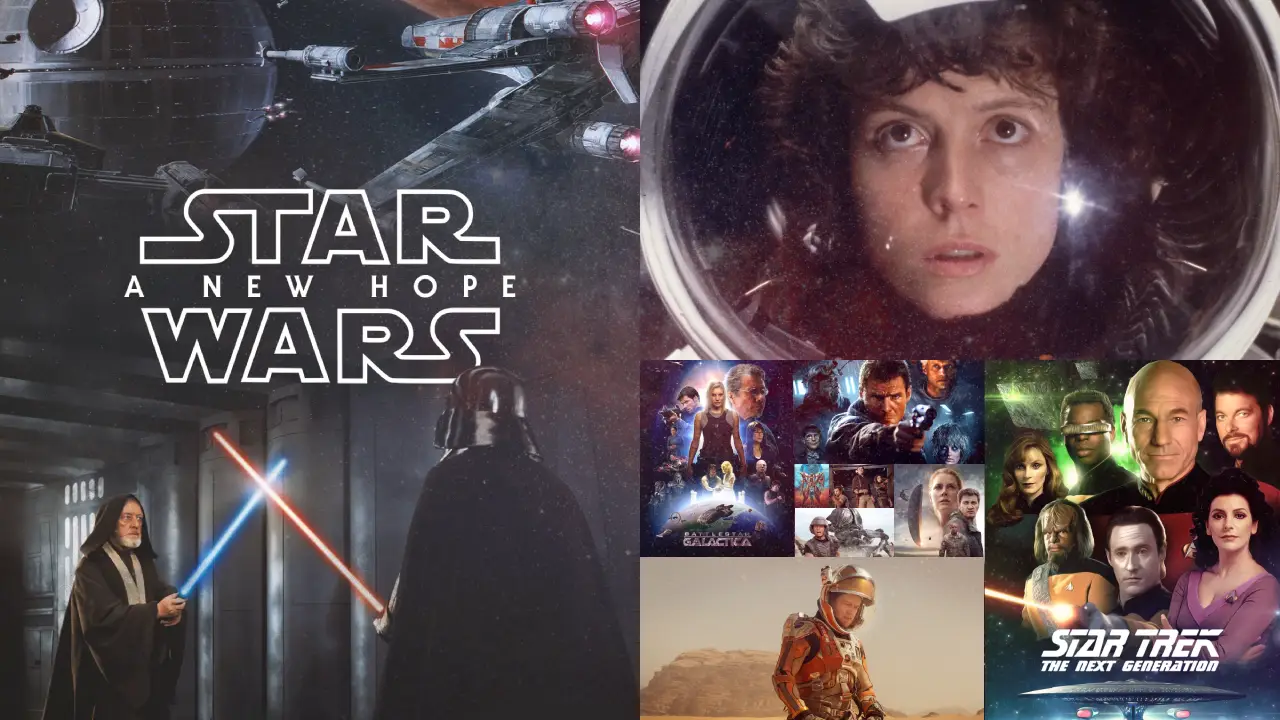
Space Sci‑Fi Genres Explained: From Space Opera to Hard Sci‑Fi, Cyberpunk and Cosmic Horror
Insights
Rithic P
Sometimes it arrives as mythic space opera, full of empires, rebels and destiny. Sometimes it is hard science fiction, where orbital mechanics, biology and physics are as important as character drama. Sometimes it is neon-lit cyberpunk, frontier western, military epic, first-contact mystery, survival thriller or outright cosmic horror.
Feature
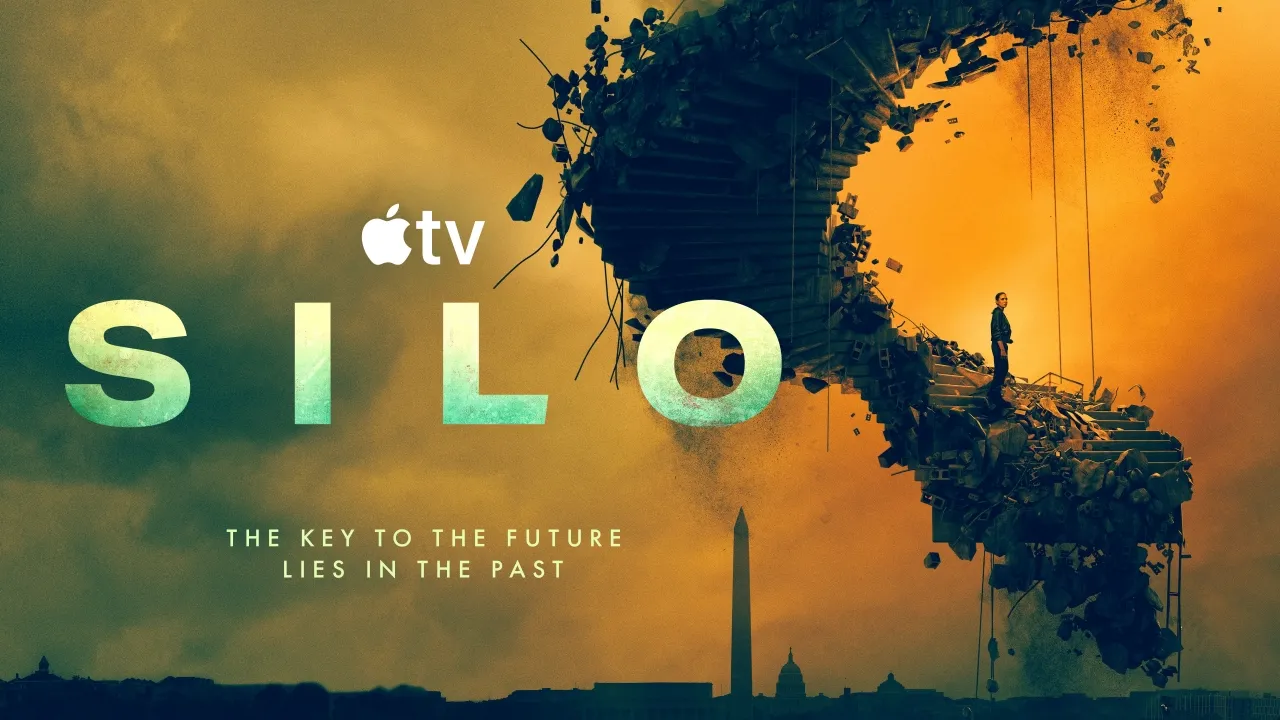
Silo Season 3: What to Expect from Apple TV's Riveting Sci-Fi Series
TV/Series
Rithic P
Picture a world where every sunrise is a rumour, every memory a liability, and the only certainty is the cold, unyielding concrete of a subterranean home. Silo, Apple TV+’s flagship dystopian series, plunges viewers into the depths—both literal and metaphorical—of a society sealed away from a poisoned Earth, its inhabitants haunted by secrets as dense as the walls encasing them.
Analysis
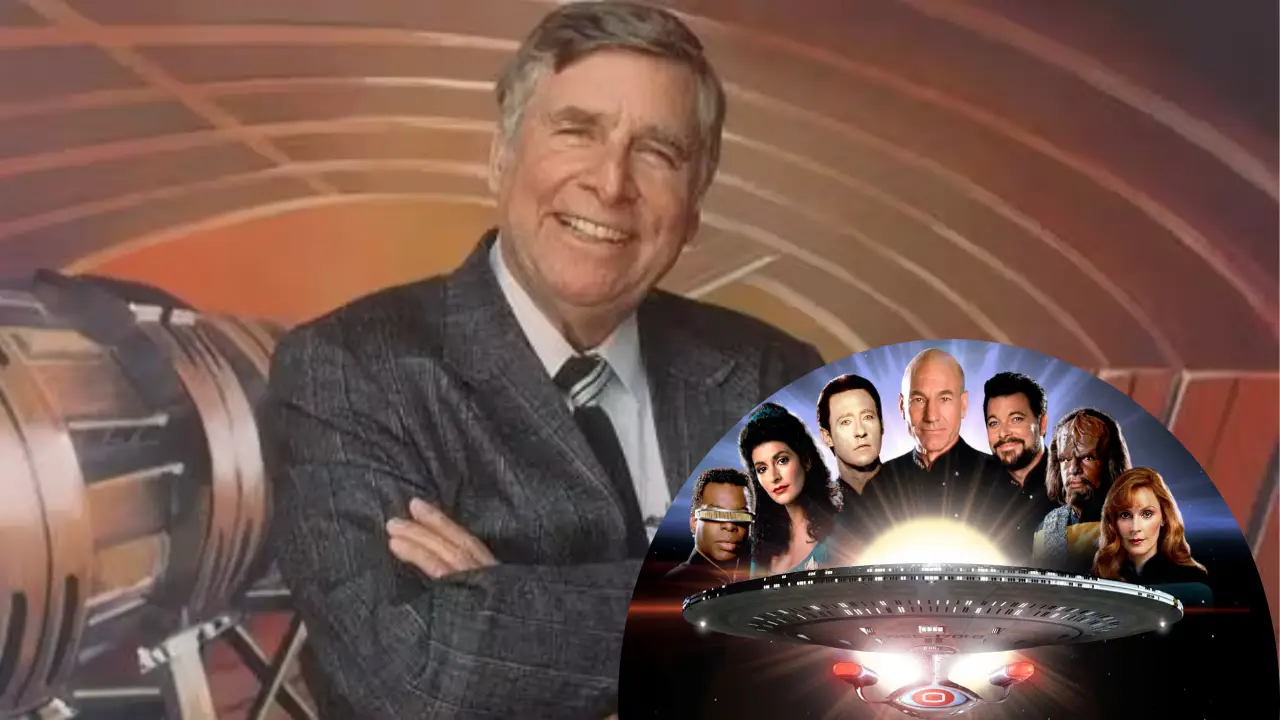
Gene Roddenberry’s Rift: How “The Measure of a Man” Redefined Star Trek’s Moral Universe
Creators
Rithic P
The year is 1989. On television screens across the world, the sleek curves of the USS Enterprise-D glide through the velvet blackness, carrying with it the hopes of a new generation of Star Trek fans. Star Trek: The Next Generation (TNG), now in its stride, has become more than a sequel—it is a cultural force, an emblem of late-20th-century optimism and speculative ambition. Yet, behind the scenes, a quiet turbulence brews. At the helm stands Gene Roddenberry, the visionary creator whose ideals shaped the very DNA of Star Trek.
Feature
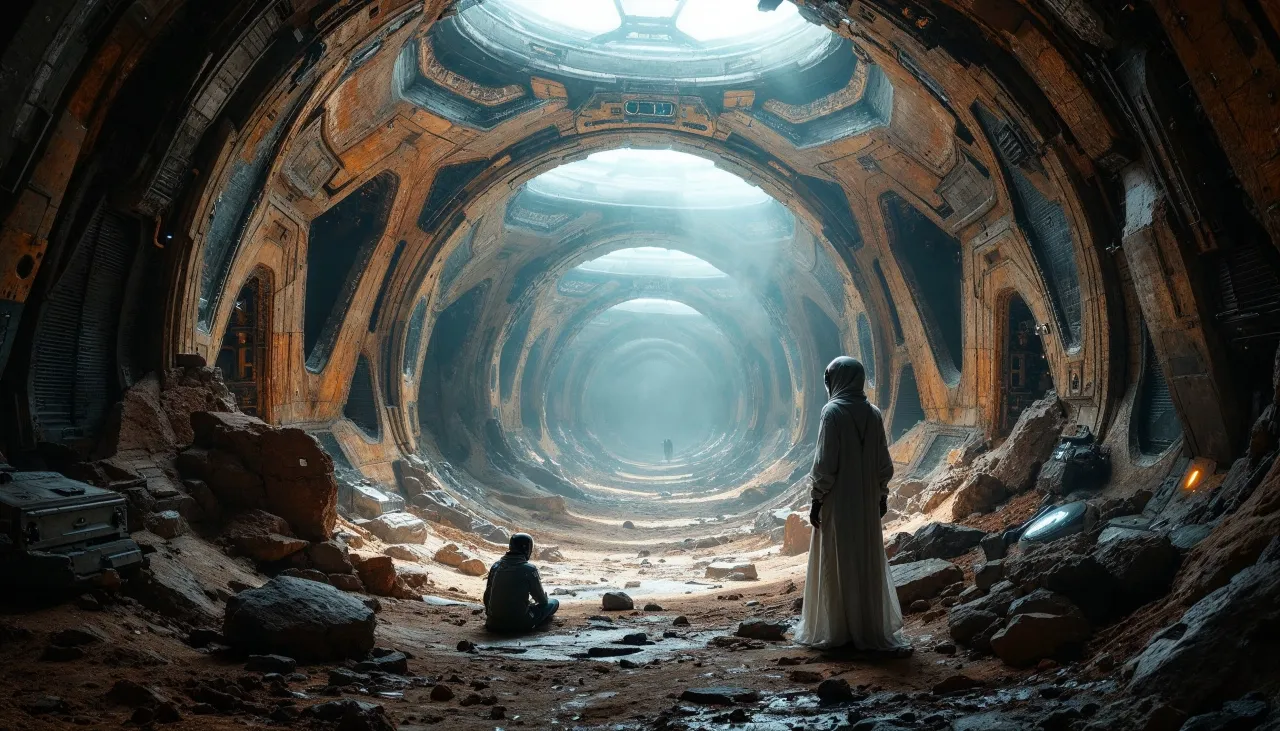
Must Read Alien Books Recommended by Scientific American
Literature
Rithic P
Imagine: a hush falls over the control room as the static resolves into a pattern—an unmistakable signal from the stars. Or perhaps, you peer through a viewport into an alien landscape, uncertain whether the figures emerging from the mist are friend or foe.
Article
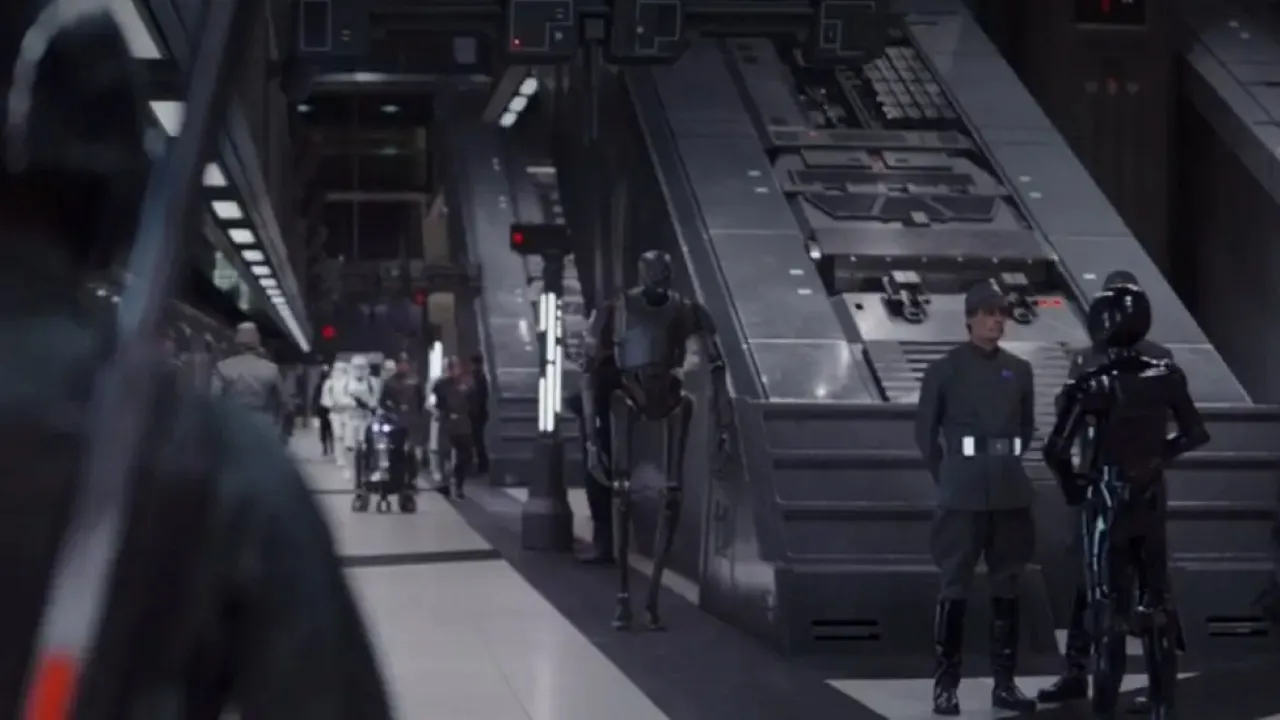
5 Real-World Buildings That Became Iconic Space Sci-Fi Sets
Insights
Rithic P
Space sci-fi loves impossible architecture: Senate plazas, corporate temples, alien colonies and imperial bunkers built to make humanity feel tiny. Yet some of the genre’s most convincing futures were not born in a VFX suite. They were found in real buildings — museums, transport hubs, civic centres and abandoned palaces whose architecture already looked halfway to another century.
Load More
Latest Posts
Review
The Ark Season 3: A Space Sci-Fi Underdog Finds Its Mission
TV/Series
Rithic P
The Ark season 3 has not disappointed. From the terrors on Ross to the mysteries surrounding Homebase, the series has embraced its search-and-rescue direction with welcome ambition.
Feature
SciNexic Space Sci-Fi Warrior Arena Pt2: Who is the Ultimate Cosmic Champion?
Insights
Rithic P
Welcome to Part 2 of our Space Sci-Fi Arena feature. In part 1 five of the galaxy’s most legendary space sci-fi warriors—Master Chief, Iron Man, Space Marine, Predator, and Din Djarin—were enrolled into our ultimate arena. Together, these space sci-fi icons set the gold standard for intergalactic combat, each a testament to the boundless imagination and tactica of the genre.
Review
Star Trek: Strange New Worlds Season 4 Is Uneven — But Its Originality Still Matters
TV/Series
Rithic P
Star Trek: Strange New Worlds Season 4 is a frustratingly uneven voyage: half of it feels routine and overextended, yet its determination to try strange, playful and genuinely original ideas remains worth celebrating.
Space Sci-Fi Guides
Space Sci‑Fi Genres Explained: From Space Opera to Hard Sci‑Fi, Cyberpunk and Cosmic Horror
Insights
Rithic P
Sometimes it arrives as mythic space opera, full of empires, rebels and destiny. Sometimes it is hard science fiction, where orbital mechanics, biology and physics are as important as character drama. Sometimes it is neon-lit cyberpunk, frontier western, military epic, first-contact mystery, survival thriller or outright cosmic horror.
Feature
Silo Season 3: What to Expect from Apple TV's Riveting Sci-Fi Series
TV/Series
Rithic P
Picture a world where every sunrise is a rumour, every memory a liability, and the only certainty is the cold, unyielding concrete of a subterranean home. Silo, Apple TV+’s flagship dystopian series, plunges viewers into the depths—both literal and metaphorical—of a society sealed away from a poisoned Earth, its inhabitants haunted by secrets as dense as the walls encasing them.
Analysis
Gene Roddenberry’s Rift: How “The Measure of a Man” Redefined Star Trek’s Moral Universe
Creators
Rithic P
The year is 1989. On television screens across the world, the sleek curves of the USS Enterprise-D glide through the velvet blackness, carrying with it the hopes of a new generation of Star Trek fans. Star Trek: The Next Generation (TNG), now in its stride, has become more than a sequel—it is a cultural force, an emblem of late-20th-century optimism and speculative ambition. Yet, behind the scenes, a quiet turbulence brews. At the helm stands Gene Roddenberry, the visionary creator whose ideals shaped the very DNA of Star Trek.
Feature
Must Read Alien Books Recommended by Scientific American
Literature
Rithic P
Imagine: a hush falls over the control room as the static resolves into a pattern—an unmistakable signal from the stars. Or perhaps, you peer through a viewport into an alien landscape, uncertain whether the figures emerging from the mist are friend or foe.
Article
5 Real-World Buildings That Became Iconic Space Sci-Fi Sets
Insights
Rithic P
Space sci-fi loves impossible architecture: Senate plazas, corporate temples, alien colonies and imperial bunkers built to make humanity feel tiny. Yet some of the genre’s most convincing futures were not born in a VFX suite. They were found in real buildings — museums, transport hubs, civic centres and abandoned palaces whose architecture already looked halfway to another century.
Load More
Latest Posts
Review
The Ark Season 3: A Space Sci-Fi Underdog Finds Its Mission
TV/Series
Rithic P
The Ark season 3 has not disappointed. From the terrors on Ross to the mysteries surrounding Homebase, the series has embraced its search-and-rescue direction with welcome ambition.
Feature
SciNexic Space Sci-Fi Warrior Arena Pt2: Who is the Ultimate Cosmic Champion?
Insights
Rithic P
Welcome to Part 2 of our Space Sci-Fi Arena feature. In part 1 five of the galaxy’s most legendary space sci-fi warriors—Master Chief, Iron Man, Space Marine, Predator, and Din Djarin—were enrolled into our ultimate arena. Together, these space sci-fi icons set the gold standard for intergalactic combat, each a testament to the boundless imagination and tactica of the genre.
Review
Star Trek: Strange New Worlds Season 4 Is Uneven — But Its Originality Still Matters
TV/Series
Rithic P
Star Trek: Strange New Worlds Season 4 is a frustratingly uneven voyage: half of it feels routine and overextended, yet its determination to try strange, playful and genuinely original ideas remains worth celebrating.
Space Sci-Fi Guides
Space Sci‑Fi Genres Explained: From Space Opera to Hard Sci‑Fi, Cyberpunk and Cosmic Horror
Insights
Rithic P
Sometimes it arrives as mythic space opera, full of empires, rebels and destiny. Sometimes it is hard science fiction, where orbital mechanics, biology and physics are as important as character drama. Sometimes it is neon-lit cyberpunk, frontier western, military epic, first-contact mystery, survival thriller or outright cosmic horror.
Feature
Silo Season 3: What to Expect from Apple TV's Riveting Sci-Fi Series
TV/Series
Rithic P
Picture a world where every sunrise is a rumour, every memory a liability, and the only certainty is the cold, unyielding concrete of a subterranean home. Silo, Apple TV+’s flagship dystopian series, plunges viewers into the depths—both literal and metaphorical—of a society sealed away from a poisoned Earth, its inhabitants haunted by secrets as dense as the walls encasing them.
Analysis
Gene Roddenberry’s Rift: How “The Measure of a Man” Redefined Star Trek’s Moral Universe
Creators
Rithic P
The year is 1989. On television screens across the world, the sleek curves of the USS Enterprise-D glide through the velvet blackness, carrying with it the hopes of a new generation of Star Trek fans. Star Trek: The Next Generation (TNG), now in its stride, has become more than a sequel—it is a cultural force, an emblem of late-20th-century optimism and speculative ambition. Yet, behind the scenes, a quiet turbulence brews. At the helm stands Gene Roddenberry, the visionary creator whose ideals shaped the very DNA of Star Trek.
Feature
Must Read Alien Books Recommended by Scientific American
Literature
Rithic P
Imagine: a hush falls over the control room as the static resolves into a pattern—an unmistakable signal from the stars. Or perhaps, you peer through a viewport into an alien landscape, uncertain whether the figures emerging from the mist are friend or foe.
Article
5 Real-World Buildings That Became Iconic Space Sci-Fi Sets
Insights
Rithic P
Space sci-fi loves impossible architecture: Senate plazas, corporate temples, alien colonies and imperial bunkers built to make humanity feel tiny. Yet some of the genre’s most convincing futures were not born in a VFX suite. They were found in real buildings — museums, transport hubs, civic centres and abandoned palaces whose architecture already looked halfway to another century.