


The SciNexic Files
The SciNexic Files
The SciNexic Files
Review
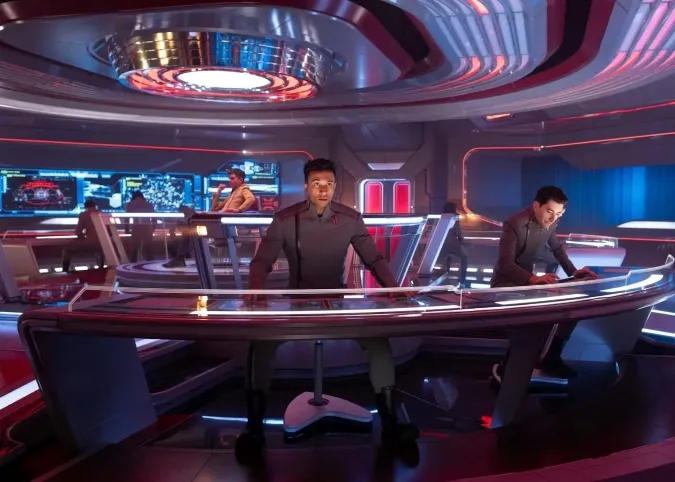
Is Star Trek: Starfleet Academy Great Space Sci-Fi? Yes. Is It Great Star Trek? Not Quite.
Star Trek: Starfleet Academy is a slick, inclusive, and entertaining slice of space sci-fi television—yet, for all its futuristic optimism and franchise reverence, it doesn’t quite reach the philosophical heights or tonal gravitas that define truly great Star Trek.
Star Trek: Starfleet Academy, Paramount+’s latest flagship for the ever-expanding Trek universe, is a paradox. It’s a show that soars as modern space sci-fi—brimming with dazzling visuals, a diverse cast, and a hopeful vision of the future. But for many long time fans, it lands just shy of what makes Star Trek truly transcendent: the heady mix of moral complexity, philosophical debate, and that ineffable sense of cosmic wonder. So, is it great space sci-fi? Absolutely. Is it great Star Trek? Not quite, read on on as we discuss why.
A New Generation, a New Tone
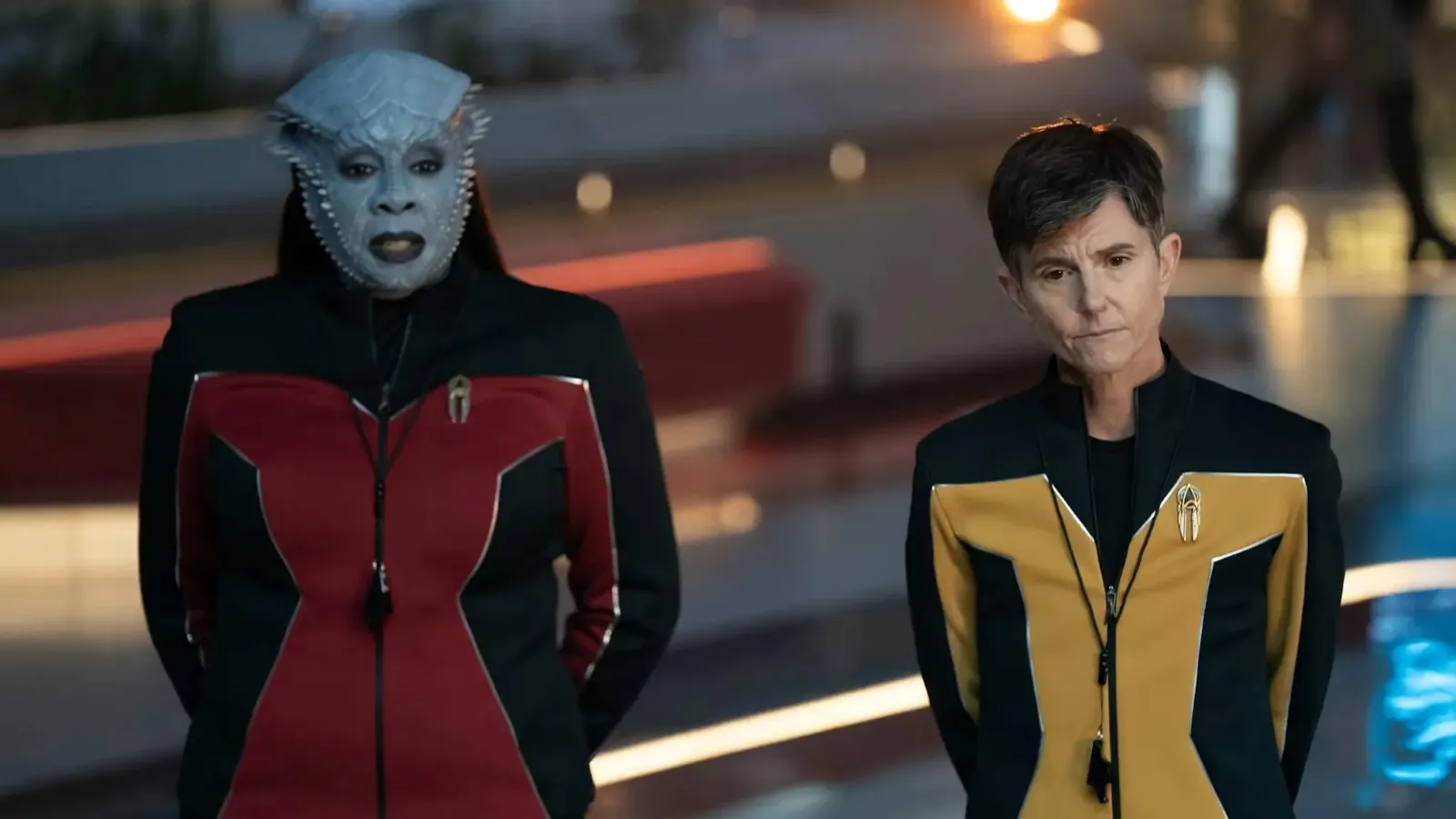
Despite blending fresh faces with familiar ones, the series falls short for many fans. Image credit: StarTrek.com
Set in the 32nd century, Starfleet Academy follows a fresh class of cadets as they navigate the reopened Academy in a post-Burn Federation, guided by Chancellor Nahla Ake (Holly Hunter) and a cadre of legacy Trek characters including The Doctor (Robert Picardo) and Sylvia Tilly (Mary Wiseman). The show’s premise is irresistible: a coming-of-age drama set against the backdrop of a galaxy rebuilding itself, with the promise of new worlds, new species, and new ethical dilemmas.
The production values are top-notch, with the largest Star Trek set ever built and a cast that’s the most species-diverse in franchise history. The showrunners, Alex Kurtzman and Noga Landau, have been clear about their mission:
“We wanted to be a compass that guided them back toward hope and possibility and a brighter future”.
The result is a series that feels fresh, earnest, and visually ambitious—qualities that make it a standout in the current space sci-fi landscape.
Space Sci-Fi That Delivers
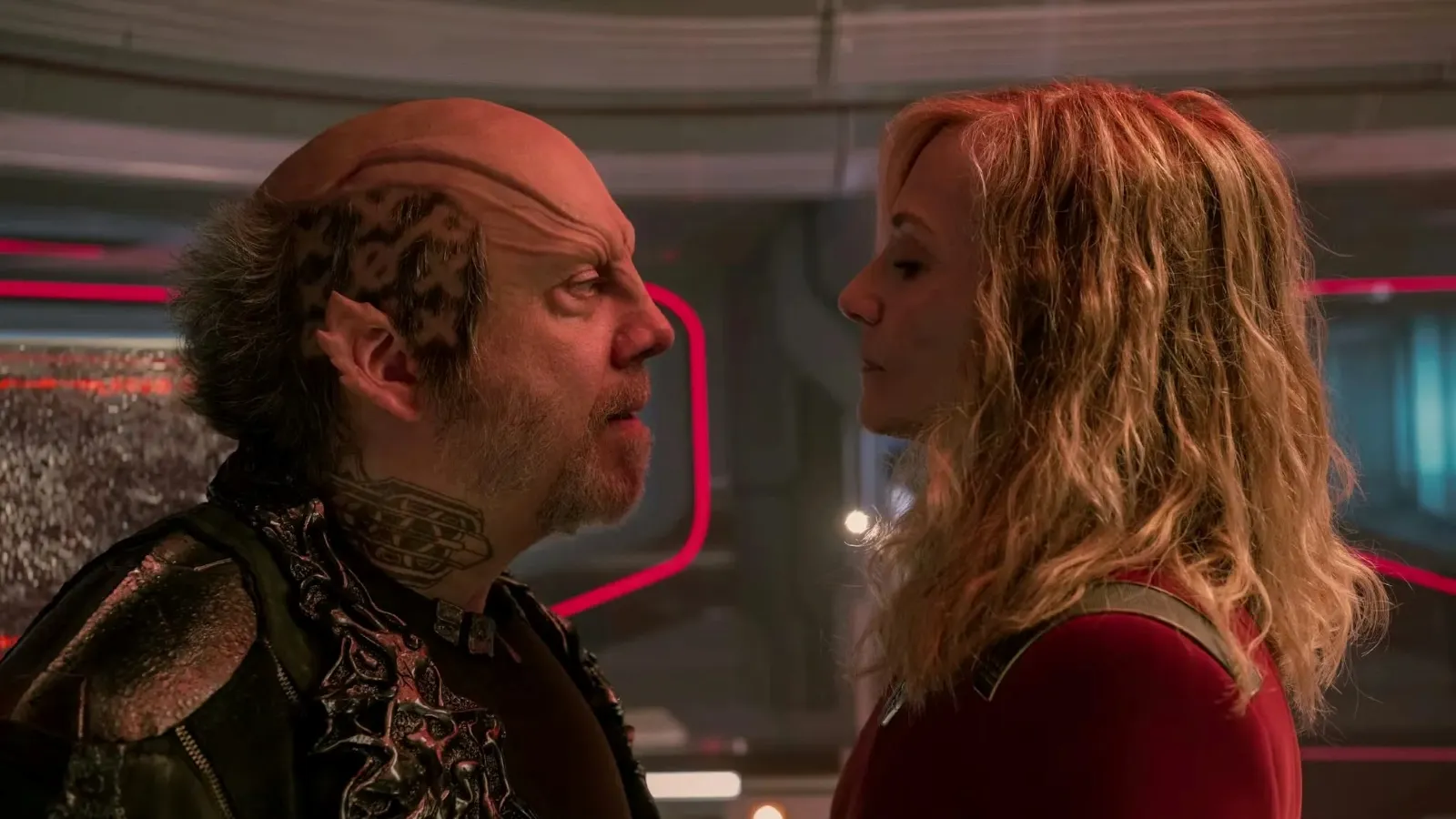
The shows leader, captain Ake (Holly Hunter) and main antagonist, (Paul Giamatti) do offer impressive performances. Image credit: StarTrek.com
As a piece of space sci-fi, Starfleet Academy ticks all the boxes. The show is packed with speculative technology, alien cultures, and high-stakes adventure. Each episode explores a different facet of coming-of-age, blending romance, rivalry, and cosmic peril in a way that’s meant to be both accessible and entertaining. The 32nd-century setting allows for creative freedom, with new species, hybrid characters, and a Federation that’s more diverse and inclusive than ever before.
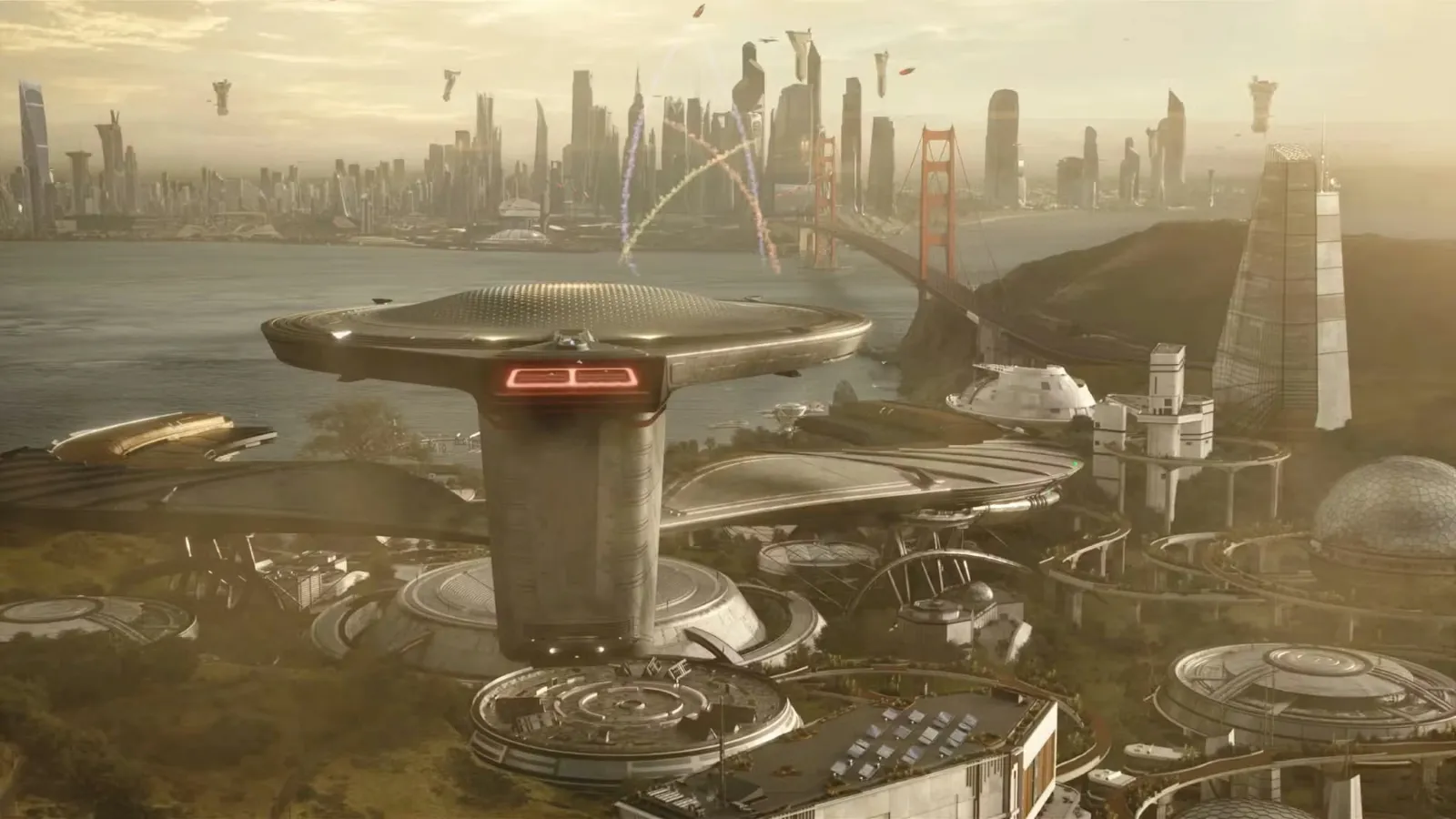
Starfleet Academy is elevated by its cutting‑edge tech and the epic, visually rich worlds that fill the series. Image credit: StarTrek.com
Critics have largely embraced the show’s approach, with Variety calling it “joyous, earnest and fun,” and The Hollywood Reporter praising Holly Hunter’s “total delight” of a performance. The series holds a strong 83–88% critic score on Rotten Tomatoes, with top critics rating it even higher. For newcomers and younger viewers, it’s a gateway to the wonders of the Trek universe—full of hope, humour, and the thrill of discovery.
But Is It Great Star Trek?
Here’s where the warp core sputters. For all its strengths, Starfleet Academy often feels more like a high-budget YA drama with a sci-fi gloss than a true heir to the Star Trek legacy, familiar tropes from shows like Saved by the Bell are too common. Conversely the show is awash in franchise references—memorial walls, campus landmarks named after Kirk and Uhura, and even a DS9 tribute episode featuring Jake Sisko and the Dax symbiont in a new host. Yet, for many fans, these nods feel more like surface-level fan service than the deep, thoughtful engagement with Trek’s philosophical roots.
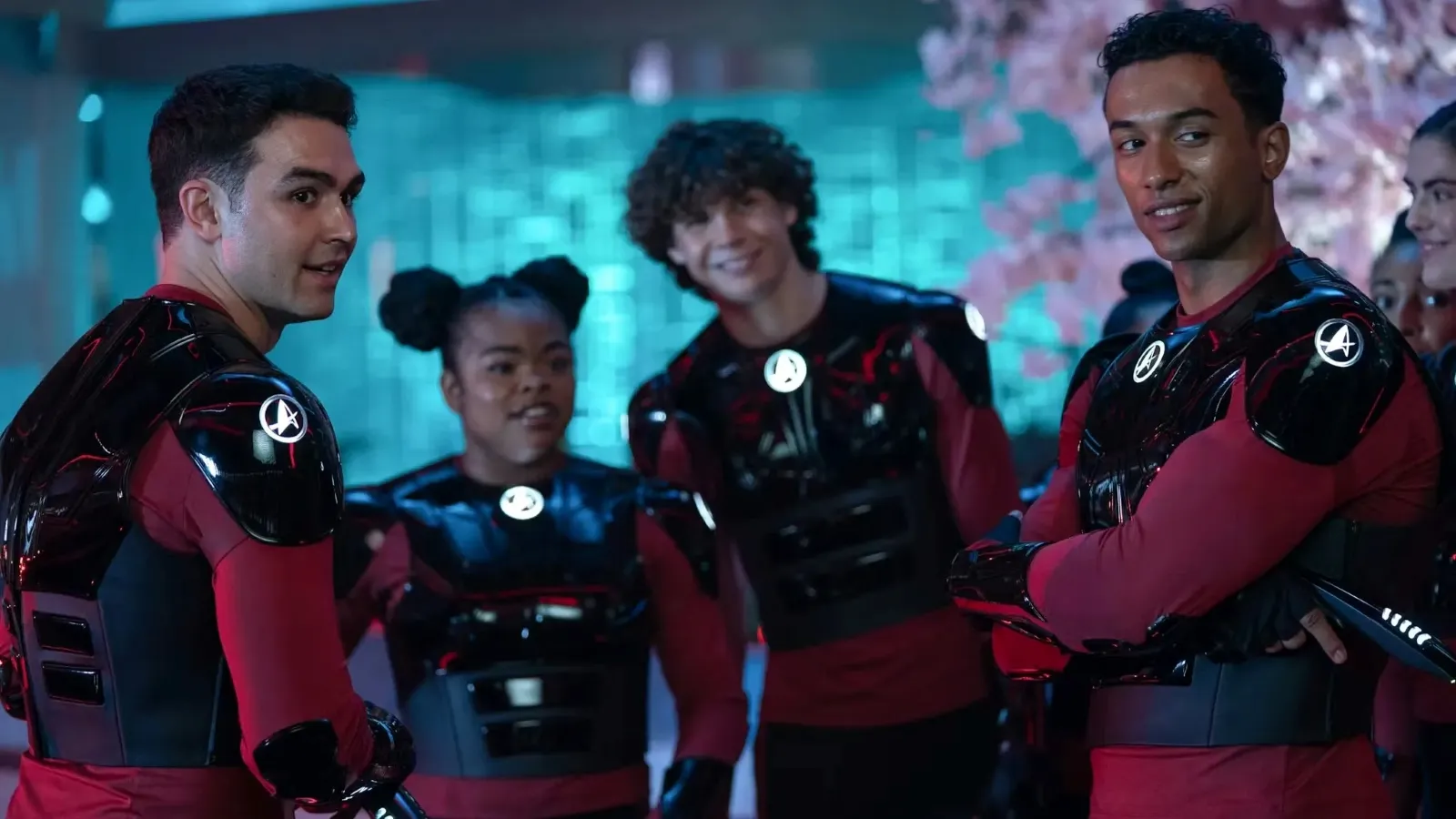
The YA angle of Starfleet Academy has not really convinced long time Trekkers. Image credit: StarTrek.com
The heart of great Star Trek has always been its willingness to wrestle with big questions—about morality, identity, the nature of consciousness, and the future of humanity. While Starfleet Academy champions optimism and unity, critics and fans alike have noted that its commentary
“feels more superficial and preachy than thought-provoking”.
The dialogue, at times, is
“ill-suited to the tone and culture of Star Trek,”
and the focus on interpersonal drama and romance can overshadow the franchise’s tradition of rigorous ethical debate.
As one fan put it,
“The marketing is basically 'The CW presents: Starfleet Academy.' I have zero reason to suspect that there will be the kind of thoughtful moral dilemmas posed by TOS and developed nicely by TNG, DS9, or VOY”.
The show’s inclusivity and contemporary relevance are both celebrated and contested, with some seeing it as a natural evolution of Trek’s progressive legacy, and others as heavy-handed or pandering.
Reception: A Divided Galaxy
The critical-audience divide is stark. While critics have lauded the show’s performances and production, audience scores on Rotten Tomatoes hover between 35% and 43%, and IMDb ratings are similarly low. Some of this is down to review-bombing and culture-war backlash, but there’s genuine disappointment among long time fans who feel the show lacks the philosophical depth and disciplined storytelling that made Trek iconic.
Still, there are bright spots. The show’s renewal for a second season, with more legacy characters and deeper storylines promised, suggests that Paramount is committed to refining the formula . The cast and crew are passionate about honouring Trek’s ideals, with Zoë Steiner (Tarima Sadal) insisting,
“We do have a fresh youthful energy and approach in this show, but it does not stray from Star Trek at its core”.
The Verdict
Star Trek: Starfleet Academy is a triumph of modern space sci-fi—ambitious, inclusive, and visually stunning. It’s a show that has some potential to inspire a new generation of fans and keep the franchise boldly going into the future. But for those who crave the intellectual and philosophical richness of classic Trek, it’s a reminder that great space sci-fi and great Star Trek are not always the same thing.
For more on the future of Starfleet Academy and the evolving Trek universe, keep your scanners locked on www.scinexic.com
Star Trek: Starfleet Academy is a slick, inclusive, and entertaining slice of space sci-fi television—yet, for all its futuristic optimism and franchise reverence, it doesn’t quite reach the philosophical heights or tonal gravitas that define truly great Star Trek.
Star Trek: Starfleet Academy, Paramount+’s latest flagship for the ever-expanding Trek universe, is a paradox. It’s a show that soars as modern space sci-fi—brimming with dazzling visuals, a diverse cast, and a hopeful vision of the future. But for many long time fans, it lands just shy of what makes Star Trek truly transcendent: the heady mix of moral complexity, philosophical debate, and that ineffable sense of cosmic wonder. So, is it great space sci-fi? Absolutely. Is it great Star Trek? Not quite, read on on as we discuss why.
A New Generation, a New Tone
Despite blending fresh faces with familiar ones, the series falls short for many fans. Image credit: StarTrek.com
Set in the 32nd century, Starfleet Academy follows a fresh class of cadets as they navigate the reopened Academy in a post-Burn Federation, guided by Chancellor Nahla Ake (Holly Hunter) and a cadre of legacy Trek characters including The Doctor (Robert Picardo) and Sylvia Tilly (Mary Wiseman). The show’s premise is irresistible: a coming-of-age drama set against the backdrop of a galaxy rebuilding itself, with the promise of new worlds, new species, and new ethical dilemmas.
The production values are top-notch, with the largest Star Trek set ever built and a cast that’s the most species-diverse in franchise history. The showrunners, Alex Kurtzman and Noga Landau, have been clear about their mission:
“We wanted to be a compass that guided them back toward hope and possibility and a brighter future”.
The result is a series that feels fresh, earnest, and visually ambitious—qualities that make it a standout in the current space sci-fi landscape.
Space Sci-Fi That Delivers
The shows leader, captain Ake (Holly Hunter) and main antagonist, (Paul Giamatti) do offer impressive performances. Image credit: StarTrek.com
As a piece of space sci-fi, Starfleet Academy ticks all the boxes. The show is packed with speculative technology, alien cultures, and high-stakes adventure. Each episode explores a different facet of coming-of-age, blending romance, rivalry, and cosmic peril in a way that’s meant to be both accessible and entertaining. The 32nd-century setting allows for creative freedom, with new species, hybrid characters, and a Federation that’s more diverse and inclusive than ever before.
Starfleet Academy is elevated by its cutting‑edge tech and the epic, visually rich worlds that fill the series. Image credit: StarTrek.com
Critics have largely embraced the show’s approach, with Variety calling it “joyous, earnest and fun,” and The Hollywood Reporter praising Holly Hunter’s “total delight” of a performance. The series holds a strong 83–88% critic score on Rotten Tomatoes, with top critics rating it even higher. For newcomers and younger viewers, it’s a gateway to the wonders of the Trek universe—full of hope, humour, and the thrill of discovery.
But Is It Great Star Trek?
Here’s where the warp core sputters. For all its strengths, Starfleet Academy often feels more like a high-budget YA drama with a sci-fi gloss than a true heir to the Star Trek legacy, familiar tropes from shows like Saved by the Bell are too common. Conversely the show is awash in franchise references—memorial walls, campus landmarks named after Kirk and Uhura, and even a DS9 tribute episode featuring Jake Sisko and the Dax symbiont in a new host. Yet, for many fans, these nods feel more like surface-level fan service than the deep, thoughtful engagement with Trek’s philosophical roots.
The YA angle of Starfleet Academy has not really convinced long time Trekkers. Image credit: StarTrek.com
The heart of great Star Trek has always been its willingness to wrestle with big questions—about morality, identity, the nature of consciousness, and the future of humanity. While Starfleet Academy champions optimism and unity, critics and fans alike have noted that its commentary
“feels more superficial and preachy than thought-provoking”.
The dialogue, at times, is
“ill-suited to the tone and culture of Star Trek,”
and the focus on interpersonal drama and romance can overshadow the franchise’s tradition of rigorous ethical debate.
As one fan put it,
“The marketing is basically 'The CW presents: Starfleet Academy.' I have zero reason to suspect that there will be the kind of thoughtful moral dilemmas posed by TOS and developed nicely by TNG, DS9, or VOY”.
The show’s inclusivity and contemporary relevance are both celebrated and contested, with some seeing it as a natural evolution of Trek’s progressive legacy, and others as heavy-handed or pandering.
Reception: A Divided Galaxy
The critical-audience divide is stark. While critics have lauded the show’s performances and production, audience scores on Rotten Tomatoes hover between 35% and 43%, and IMDb ratings are similarly low. Some of this is down to review-bombing and culture-war backlash, but there’s genuine disappointment among long time fans who feel the show lacks the philosophical depth and disciplined storytelling that made Trek iconic.
Still, there are bright spots. The show’s renewal for a second season, with more legacy characters and deeper storylines promised, suggests that Paramount is committed to refining the formula . The cast and crew are passionate about honouring Trek’s ideals, with Zoë Steiner (Tarima Sadal) insisting,
“We do have a fresh youthful energy and approach in this show, but it does not stray from Star Trek at its core”.
The Verdict
Star Trek: Starfleet Academy is a triumph of modern space sci-fi—ambitious, inclusive, and visually stunning. It’s a show that has some potential to inspire a new generation of fans and keep the franchise boldly going into the future. But for those who crave the intellectual and philosophical richness of classic Trek, it’s a reminder that great space sci-fi and great Star Trek are not always the same thing.
For more on the future of Starfleet Academy and the evolving Trek universe, keep your scanners locked on www.scinexic.com
Star Trek: Starfleet Academy is a slick, inclusive, and entertaining slice of space sci-fi television—yet, for all its futuristic optimism and franchise reverence, it doesn’t quite reach the philosophical heights or tonal gravitas that define truly great Star Trek.
Star Trek: Starfleet Academy, Paramount+’s latest flagship for the ever-expanding Trek universe, is a paradox. It’s a show that soars as modern space sci-fi—brimming with dazzling visuals, a diverse cast, and a hopeful vision of the future. But for many long time fans, it lands just shy of what makes Star Trek truly transcendent: the heady mix of moral complexity, philosophical debate, and that ineffable sense of cosmic wonder. So, is it great space sci-fi? Absolutely. Is it great Star Trek? Not quite, read on on as we discuss why.
A New Generation, a New Tone
Despite blending fresh faces with familiar ones, the series falls short for many fans. Image credit: StarTrek.com
Set in the 32nd century, Starfleet Academy follows a fresh class of cadets as they navigate the reopened Academy in a post-Burn Federation, guided by Chancellor Nahla Ake (Holly Hunter) and a cadre of legacy Trek characters including The Doctor (Robert Picardo) and Sylvia Tilly (Mary Wiseman). The show’s premise is irresistible: a coming-of-age drama set against the backdrop of a galaxy rebuilding itself, with the promise of new worlds, new species, and new ethical dilemmas.
The production values are top-notch, with the largest Star Trek set ever built and a cast that’s the most species-diverse in franchise history. The showrunners, Alex Kurtzman and Noga Landau, have been clear about their mission:
“We wanted to be a compass that guided them back toward hope and possibility and a brighter future”.
The result is a series that feels fresh, earnest, and visually ambitious—qualities that make it a standout in the current space sci-fi landscape.
Space Sci-Fi That Delivers
The shows leader, captain Ake (Holly Hunter) and main antagonist, (Paul Giamatti) do offer impressive performances. Image credit: StarTrek.com
As a piece of space sci-fi, Starfleet Academy ticks all the boxes. The show is packed with speculative technology, alien cultures, and high-stakes adventure. Each episode explores a different facet of coming-of-age, blending romance, rivalry, and cosmic peril in a way that’s meant to be both accessible and entertaining. The 32nd-century setting allows for creative freedom, with new species, hybrid characters, and a Federation that’s more diverse and inclusive than ever before.
Starfleet Academy is elevated by its cutting‑edge tech and the epic, visually rich worlds that fill the series. Image credit: StarTrek.com
Critics have largely embraced the show’s approach, with Variety calling it “joyous, earnest and fun,” and The Hollywood Reporter praising Holly Hunter’s “total delight” of a performance. The series holds a strong 83–88% critic score on Rotten Tomatoes, with top critics rating it even higher. For newcomers and younger viewers, it’s a gateway to the wonders of the Trek universe—full of hope, humour, and the thrill of discovery.
But Is It Great Star Trek?
Here’s where the warp core sputters. For all its strengths, Starfleet Academy often feels more like a high-budget YA drama with a sci-fi gloss than a true heir to the Star Trek legacy, familiar tropes from shows like Saved by the Bell are too common. Conversely the show is awash in franchise references—memorial walls, campus landmarks named after Kirk and Uhura, and even a DS9 tribute episode featuring Jake Sisko and the Dax symbiont in a new host. Yet, for many fans, these nods feel more like surface-level fan service than the deep, thoughtful engagement with Trek’s philosophical roots.
The YA angle of Starfleet Academy has not really convinced long time Trekkers. Image credit: StarTrek.com
The heart of great Star Trek has always been its willingness to wrestle with big questions—about morality, identity, the nature of consciousness, and the future of humanity. While Starfleet Academy champions optimism and unity, critics and fans alike have noted that its commentary
“feels more superficial and preachy than thought-provoking”.
The dialogue, at times, is
“ill-suited to the tone and culture of Star Trek,”
and the focus on interpersonal drama and romance can overshadow the franchise’s tradition of rigorous ethical debate.
As one fan put it,
“The marketing is basically 'The CW presents: Starfleet Academy.' I have zero reason to suspect that there will be the kind of thoughtful moral dilemmas posed by TOS and developed nicely by TNG, DS9, or VOY”.
The show’s inclusivity and contemporary relevance are both celebrated and contested, with some seeing it as a natural evolution of Trek’s progressive legacy, and others as heavy-handed or pandering.
Reception: A Divided Galaxy
The critical-audience divide is stark. While critics have lauded the show’s performances and production, audience scores on Rotten Tomatoes hover between 35% and 43%, and IMDb ratings are similarly low. Some of this is down to review-bombing and culture-war backlash, but there’s genuine disappointment among long time fans who feel the show lacks the philosophical depth and disciplined storytelling that made Trek iconic.
Still, there are bright spots. The show’s renewal for a second season, with more legacy characters and deeper storylines promised, suggests that Paramount is committed to refining the formula . The cast and crew are passionate about honouring Trek’s ideals, with Zoë Steiner (Tarima Sadal) insisting,
“We do have a fresh youthful energy and approach in this show, but it does not stray from Star Trek at its core”.
The Verdict
Star Trek: Starfleet Academy is a triumph of modern space sci-fi—ambitious, inclusive, and visually stunning. It’s a show that has some potential to inspire a new generation of fans and keep the franchise boldly going into the future. But for those who crave the intellectual and philosophical richness of classic Trek, it’s a reminder that great space sci-fi and great Star Trek are not always the same thing.
For more on the future of Starfleet Academy and the evolving Trek universe, keep your scanners locked on www.scinexic.com
Image Gallery
Comments
Please be kind and considerate. Any abusive or offensive comments will be sent out the airlock! Thank You.
Please be kind and considerate. Any abusive or offensive comments will be sent out the airlock! Thank You.
Join the SciNexic Crew
Related Posts
Share on Instagram
Share on Instagram
Banner Image - Star Trek: Starfleet Academy scene image - StarTrek.com - Copyright: Paramount+/CBS
Main Article - All images and media are the property of their respective owners.