


The SciNexic Files
The SciNexic Files
The SciNexic Files
Commentary
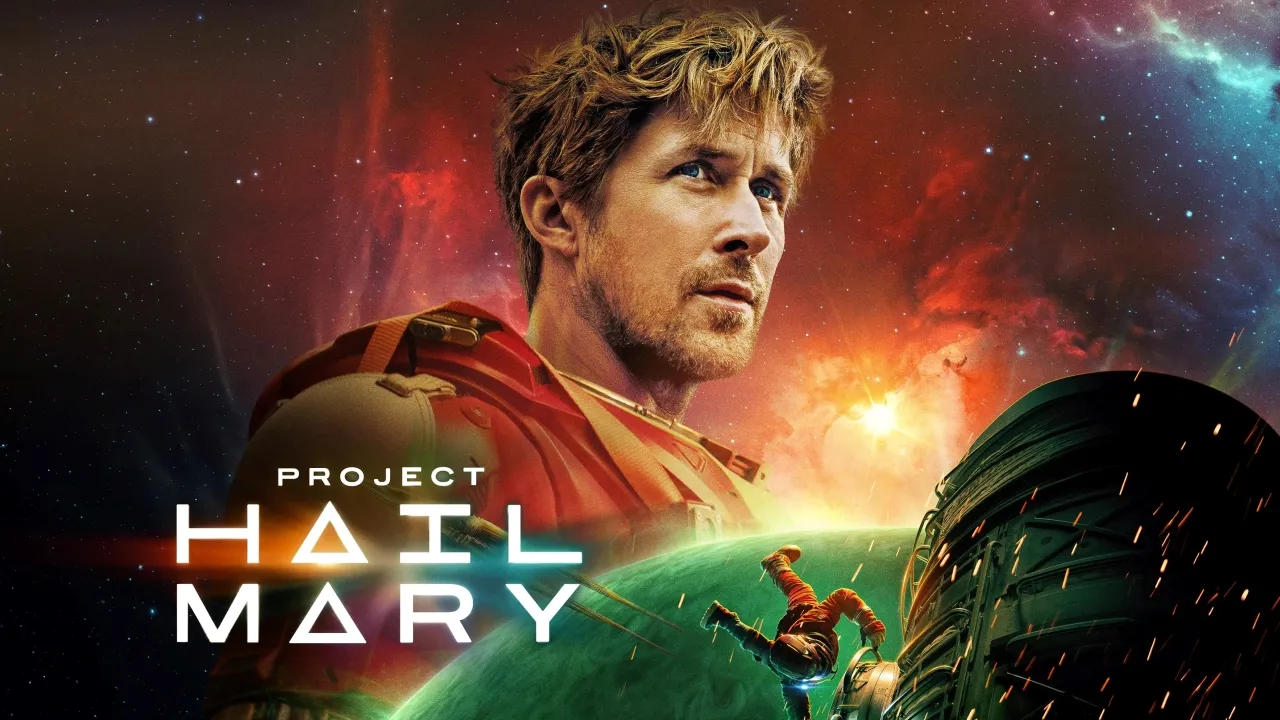
Project Hail Mary’s Galactic Success: Ryan Gosling’s Space Sci-Fi Epic Is Rewriting the Box Office Rules
Imagine waking up light-years from Earth with no memory, no easy way home and the fate of humanity hidden somewhere in your fractured mind. That is the beautifully cruel hook of Project Hail Mary, Phil Lord and Christopher Miller’s adaptation of Andy Weir’s bestselling 2021 novel.
What looked, on paper, like a risky bet — a $200 million hard sci-fi adventure built around astrophysics, alien communication and one very lonely teacher — has become one of 2026’s clearest theatrical success stories.
As of early May 2026, Box Office Mojo lists Project Hail Mary at $783.1 million worldwide, including $312 million domestic and $471 million international. The Numbers lists a lower worldwide total of $620 million, illustrating the usual lag and variance between box-office trackers. Either way, the conclusion is the same: Amazon MGM Studios has found a genuine space sci-fi juggernaut.
A Giant Leap for Amazon MGM
Project Hail Mary launched on 20 March 2026 in the US, after earlier international rollouts, with Amazon MGM Studios handling North America and Sony Pictures Releasing International handling many overseas territories.
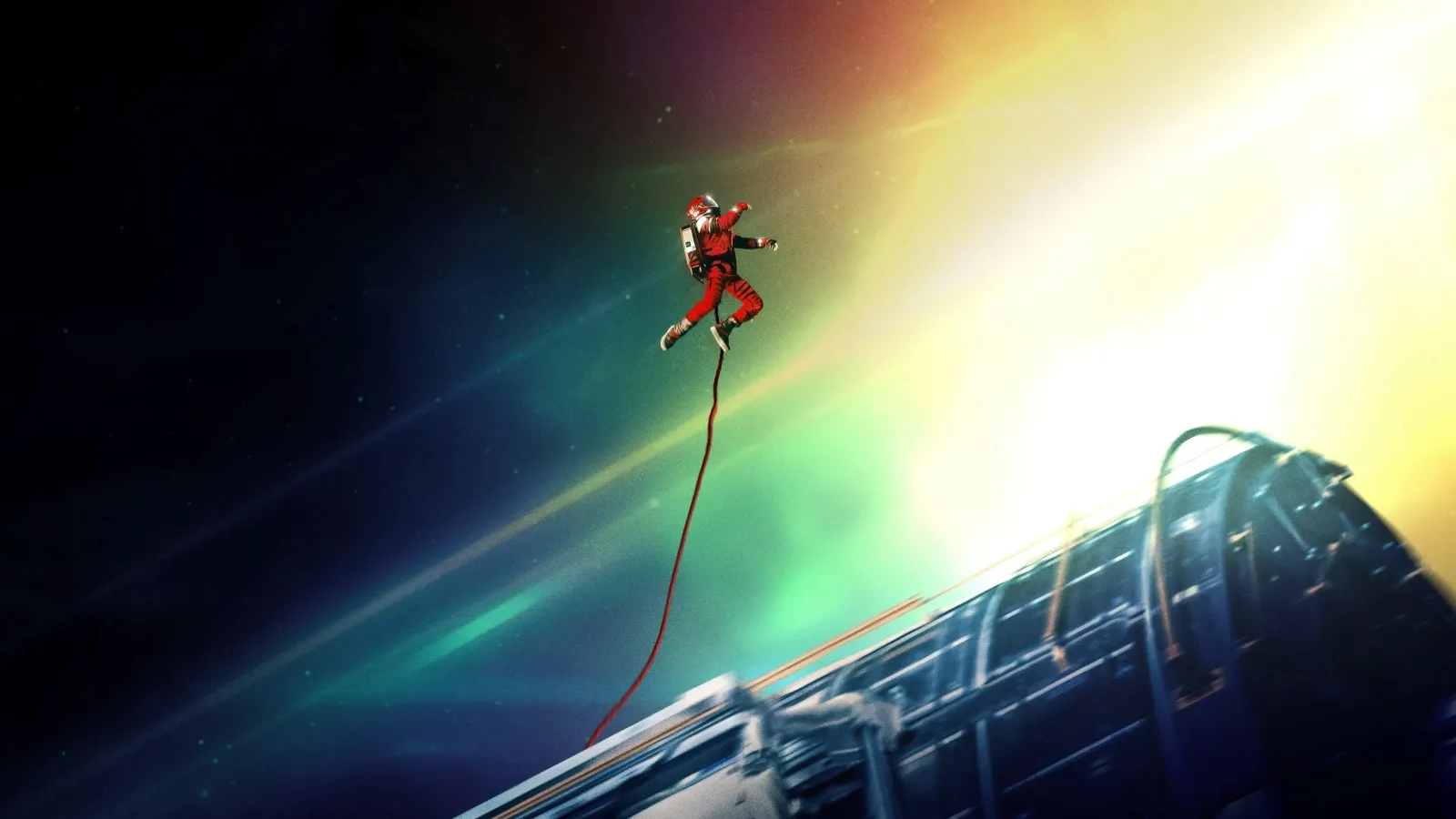
Amazon MGM’s daring bet on a true hard‑sci‑fi odyssey paid off in style, echoing Ryland Grace’s own universe‑shifting leap of faith. Image credit: TMDB
The film’s opening was enormous, with a reported a $140.9 million global debut, made up of $80.5 million in North America and $60.4 million from 82 international markets. Variety also reported the film’s $200 million production budget and noted that the opening was the biggest of the year at that point, as well as Amazon MGM’s largest-ever start.
That opening was not just a win for a single film. It was a statement. In an era often accused of leaning too hard on sequels, superheroes and pre-sold franchises, Project Hail Mary proved that a non-franchise space sci-fi movie — albeit one based on a popular novel — could still move like a tentpole.
Science, Spectacle and the Lord-Miller Touch
The premise is classic Andy Weir: Ryland Grace, a science teacher and former molecular biologist, wakes aboard a spacecraft with no memory of who he is or why he is there. As his memory returns, he discovers a mission to investigate a mysterious threat causing the Sun to dim — and, in the process, encounters an alien traveller facing a similar extinction-level crisis.
Lord and Miller were always an inspired choice. Their best work, from The LEGO Movie to Spider-Man: Into the Spider-Verse as producers, thrives on emotional clarity inside technical chaos. Project Hail Mary applies that same energy to orbital mechanics, survival problem-solving and first contact.
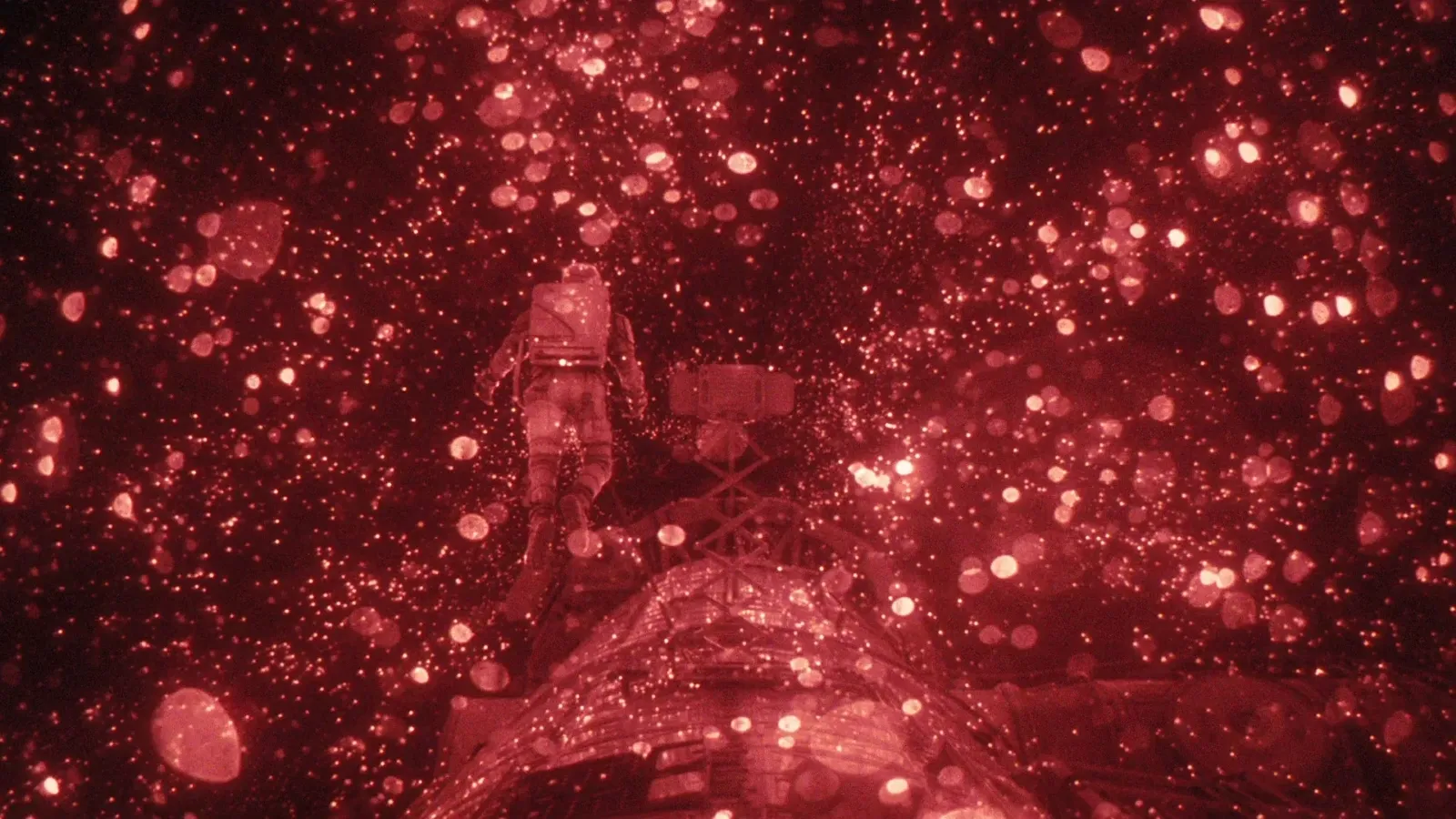
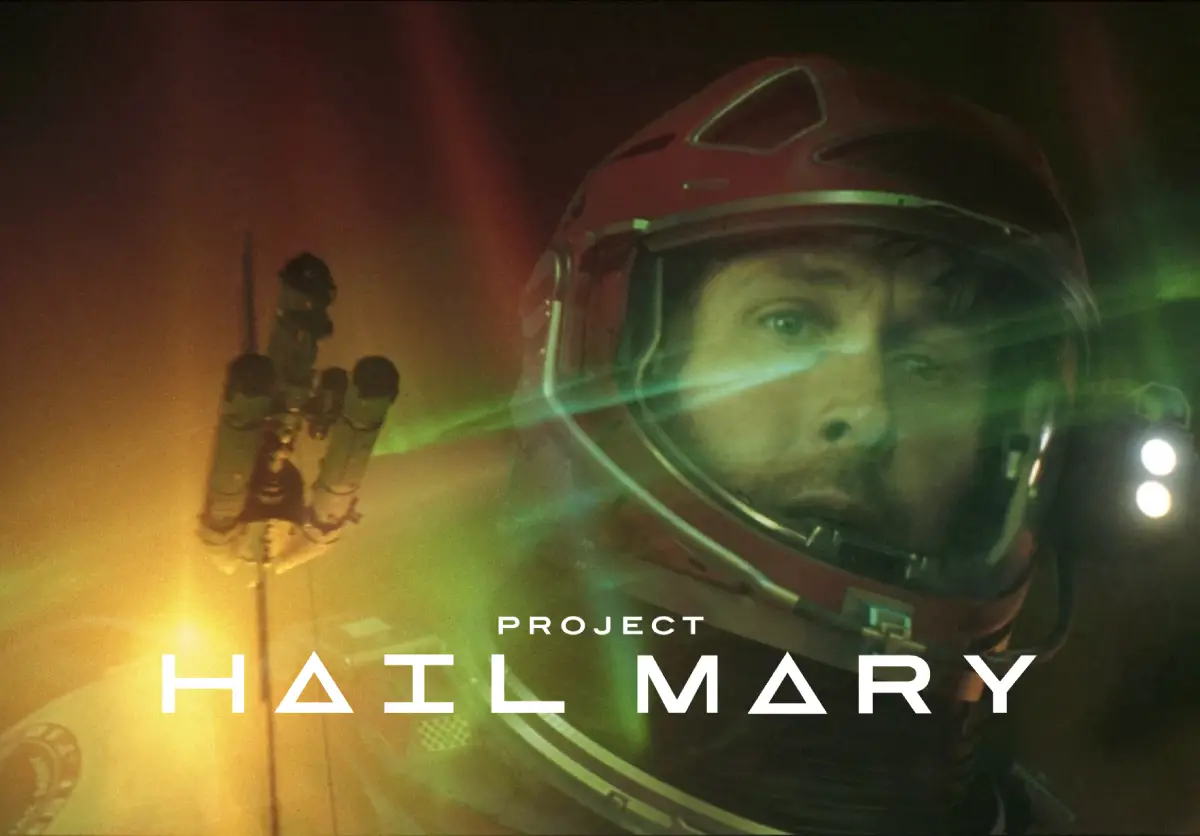
Through Lord and Miller’s immersive visual craft, the setting’s scale and immensity hit with real force. Image credit: TMDB
The film also benefits from spectacle built for premium screens. During its opening weekend, IMAX alone accounted for $27.6 million worldwide. IMAX CEO Rich Gelfond praised the release, saying there is “an enduring connection between Imax and space” and that the film “truly demands to be experienced in Imax”.
Ryan Gosling, Reluctant Hero
As Ryland Grace, Ryan Gosling gives the film its human centre. The character is not a square-jawed space marine or a chosen-one messiah. He is a reluctant scientist, a teacher, a man whose courage arrives only after panic, confusion and a lot of problem-solving.
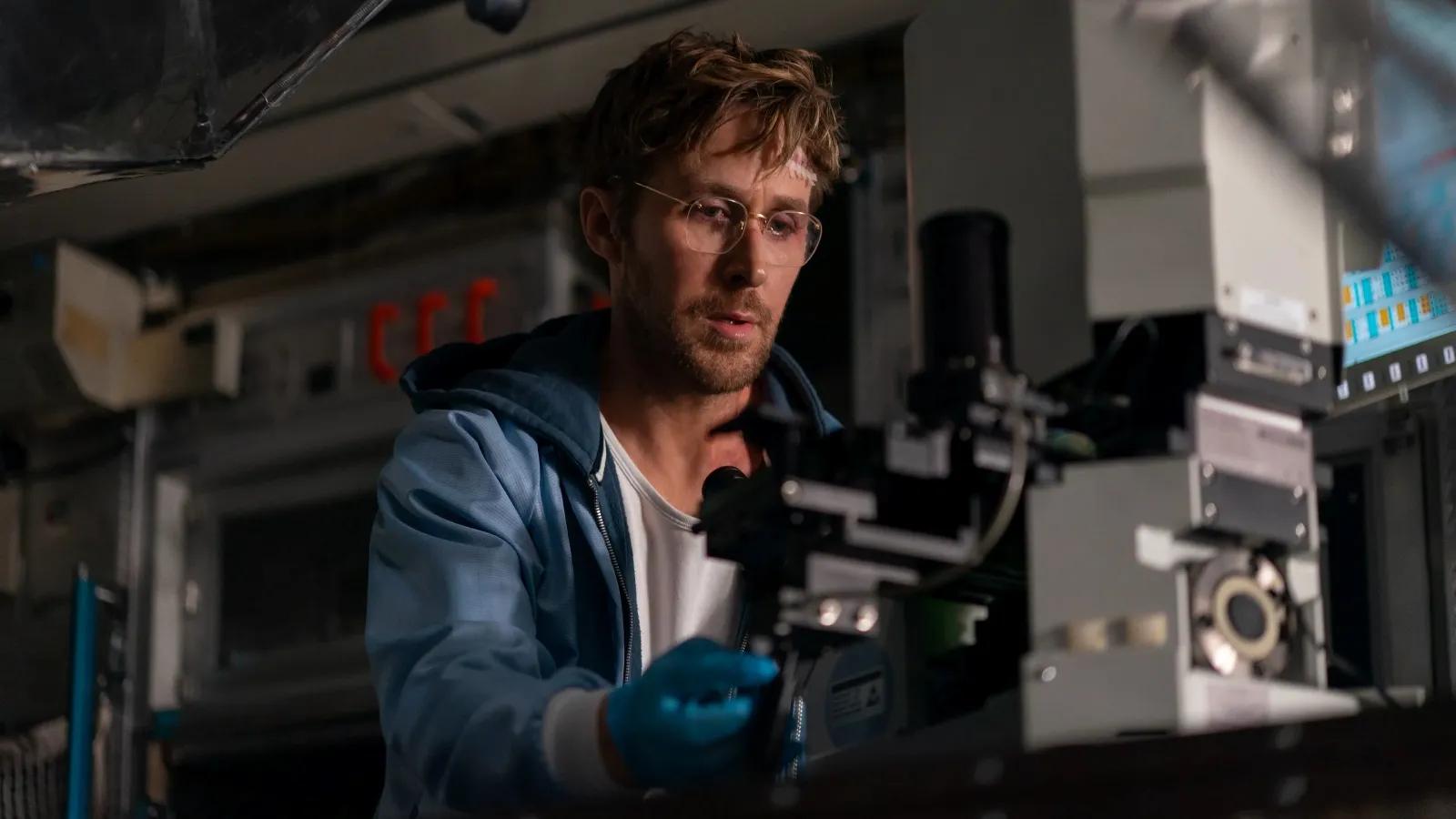
Ryan Gosling won audiences over from the start with a portrayal of Ryland Grace that balances scientific brilliance with genuine heart. Image credit: Amazon.com
That dynamic was already clear from CinemaCon 2025, where the footage of Grace insisting, “I’m not an astronaut,” and joking, “I put the not in astronaut”, generated a feverish buss around the film. Gosling said the team had “fell in love with a book by Andy Weir”, while Miller called the project “the biggest challenge” he and Lord had taken on.
The film’s emotional engine, however, is not just Grace’s survival. It is connection: the slow construction of trust between a stranded human and an alien intelligence. That is where Project Hail Mary moves beyond puzzle-box science and becomes something warmer, stranger and more universal.
Critical Lift-Off
The film has not merely sold tickets; it has connected with critics and audiences. Rotten Tomatoes currently lists the film at 94% on the Tomatometer from 401 reviews and 95% on the Popcornmeter from more than 10,000 verified ratings. Its critics’ consensus calls it
“a near-miraculous fusion of smarts and heart”.
That combination is the key. Like The Martian before it, Project Hail Mary makes science feel dramatic rather than decorative. The equations matter because lives depend on them. The alien linguistics matter because friendship depends on them. The spectacle works because the emotions are legible.

The portrayal of the evolving bond between Grace and Rocky remains one of the film’s standout triumphs. Image credit: TMDB
Enduring Excellence
Project Hail Mary is more than a hit; it is a useful correction. It reminds Hollywood that audiences will show up for intelligent, hopeful, technically curious space sci-fi when it is delivered with scale, humour and heart.
For Amazon MGM, it is a landmark theatrical win. For Ryan Gosling, it is another reminder of his rare ability to make vulnerability feel heroic. And for the genre, it is proof that the final frontier still has enormous box-office gravity.
For more space sci-fi movie news and features, keep your scanners locked on scinexic.com.
Imagine waking up light-years from Earth with no memory, no easy way home and the fate of humanity hidden somewhere in your fractured mind. That is the beautifully cruel hook of Project Hail Mary, Phil Lord and Christopher Miller’s adaptation of Andy Weir’s bestselling 2021 novel.
What looked, on paper, like a risky bet — a $200 million hard sci-fi adventure built around astrophysics, alien communication and one very lonely teacher — has become one of 2026’s clearest theatrical success stories.
As of early May 2026, Box Office Mojo lists Project Hail Mary at $783.1 million worldwide, including $312 million domestic and $471 million international. The Numbers lists a lower worldwide total of $620 million, illustrating the usual lag and variance between box-office trackers. Either way, the conclusion is the same: Amazon MGM Studios has found a genuine space sci-fi juggernaut.
A Giant Leap for Amazon MGM
Project Hail Mary launched on 20 March 2026 in the US, after earlier international rollouts, with Amazon MGM Studios handling North America and Sony Pictures Releasing International handling many overseas territories.
Amazon MGM’s daring bet on a true hard‑sci‑fi odyssey paid off in style, echoing Ryland Grace’s own universe‑shifting leap of faith. Image credit: TMDB
The film’s opening was enormous, with a reported a $140.9 million global debut, made up of $80.5 million in North America and $60.4 million from 82 international markets. Variety also reported the film’s $200 million production budget and noted that the opening was the biggest of the year at that point, as well as Amazon MGM’s largest-ever start.
That opening was not just a win for a single film. It was a statement. In an era often accused of leaning too hard on sequels, superheroes and pre-sold franchises, Project Hail Mary proved that a non-franchise space sci-fi movie — albeit one based on a popular novel — could still move like a tentpole.
Science, Spectacle and the Lord-Miller Touch
The premise is classic Andy Weir: Ryland Grace, a science teacher and former molecular biologist, wakes aboard a spacecraft with no memory of who he is or why he is there. As his memory returns, he discovers a mission to investigate a mysterious threat causing the Sun to dim — and, in the process, encounters an alien traveller facing a similar extinction-level crisis.
Lord and Miller were always an inspired choice. Their best work, from The LEGO Movie to Spider-Man: Into the Spider-Verse as producers, thrives on emotional clarity inside technical chaos. Project Hail Mary applies that same energy to orbital mechanics, survival problem-solving and first contact.
Through Lord and Miller’s immersive visual craft, the setting’s scale and immensity hit with real force. Image credit: TMDB
The film also benefits from spectacle built for premium screens. During its opening weekend, IMAX alone accounted for $27.6 million worldwide. IMAX CEO Rich Gelfond praised the release, saying there is “an enduring connection between Imax and space” and that the film “truly demands to be experienced in Imax”.
Ryan Gosling, Reluctant Hero
As Ryland Grace, Ryan Gosling gives the film its human centre. The character is not a square-jawed space marine or a chosen-one messiah. He is a reluctant scientist, a teacher, a man whose courage arrives only after panic, confusion and a lot of problem-solving.
Ryan Gosling won audiences over from the start with a portrayal of Ryland Grace that balances scientific brilliance with genuine heart. Image credit: Amazon.com
That dynamic was already clear from CinemaCon 2025, where the footage of Grace insisting, “I’m not an astronaut,” and joking, “I put the not in astronaut”, generated a feverish buss around the film. Gosling said the team had “fell in love with a book by Andy Weir”, while Miller called the project “the biggest challenge” he and Lord had taken on.
The film’s emotional engine, however, is not just Grace’s survival. It is connection: the slow construction of trust between a stranded human and an alien intelligence. That is where Project Hail Mary moves beyond puzzle-box science and becomes something warmer, stranger and more universal.
Critical Lift-Off
The film has not merely sold tickets; it has connected with critics and audiences. Rotten Tomatoes currently lists the film at 94% on the Tomatometer from 401 reviews and 95% on the Popcornmeter from more than 10,000 verified ratings. Its critics’ consensus calls it
“a near-miraculous fusion of smarts and heart”.
That combination is the key. Like The Martian before it, Project Hail Mary makes science feel dramatic rather than decorative. The equations matter because lives depend on them. The alien linguistics matter because friendship depends on them. The spectacle works because the emotions are legible.
The portrayal of the evolving bond between Grace and Rocky remains one of the film’s standout triumphs. Image credit: TMDB
Enduring Excellence
Project Hail Mary is more than a hit; it is a useful correction. It reminds Hollywood that audiences will show up for intelligent, hopeful, technically curious space sci-fi when it is delivered with scale, humour and heart.
For Amazon MGM, it is a landmark theatrical win. For Ryan Gosling, it is another reminder of his rare ability to make vulnerability feel heroic. And for the genre, it is proof that the final frontier still has enormous box-office gravity.
For more space sci-fi movie news and features, keep your scanners locked on scinexic.com.
Imagine waking up light-years from Earth with no memory, no easy way home and the fate of humanity hidden somewhere in your fractured mind. That is the beautifully cruel hook of Project Hail Mary, Phil Lord and Christopher Miller’s adaptation of Andy Weir’s bestselling 2021 novel.
What looked, on paper, like a risky bet — a $200 million hard sci-fi adventure built around astrophysics, alien communication and one very lonely teacher — has become one of 2026’s clearest theatrical success stories.
As of early May 2026, Box Office Mojo lists Project Hail Mary at $783.1 million worldwide, including $312 million domestic and $471 million international. The Numbers lists a lower worldwide total of $620 million, illustrating the usual lag and variance between box-office trackers. Either way, the conclusion is the same: Amazon MGM Studios has found a genuine space sci-fi juggernaut.
A Giant Leap for Amazon MGM
Project Hail Mary launched on 20 March 2026 in the US, after earlier international rollouts, with Amazon MGM Studios handling North America and Sony Pictures Releasing International handling many overseas territories.
Amazon MGM’s daring bet on a true hard‑sci‑fi odyssey paid off in style, echoing Ryland Grace’s own universe‑shifting leap of faith. Image credit: TMDB
The film’s opening was enormous, with a reported a $140.9 million global debut, made up of $80.5 million in North America and $60.4 million from 82 international markets. Variety also reported the film’s $200 million production budget and noted that the opening was the biggest of the year at that point, as well as Amazon MGM’s largest-ever start.
That opening was not just a win for a single film. It was a statement. In an era often accused of leaning too hard on sequels, superheroes and pre-sold franchises, Project Hail Mary proved that a non-franchise space sci-fi movie — albeit one based on a popular novel — could still move like a tentpole.
Science, Spectacle and the Lord-Miller Touch
The premise is classic Andy Weir: Ryland Grace, a science teacher and former molecular biologist, wakes aboard a spacecraft with no memory of who he is or why he is there. As his memory returns, he discovers a mission to investigate a mysterious threat causing the Sun to dim — and, in the process, encounters an alien traveller facing a similar extinction-level crisis.
Lord and Miller were always an inspired choice. Their best work, from The LEGO Movie to Spider-Man: Into the Spider-Verse as producers, thrives on emotional clarity inside technical chaos. Project Hail Mary applies that same energy to orbital mechanics, survival problem-solving and first contact.
Through Lord and Miller’s immersive visual craft, the setting’s scale and immensity hit with real force. Image credit: TMDB
The film also benefits from spectacle built for premium screens. During its opening weekend, IMAX alone accounted for $27.6 million worldwide. IMAX CEO Rich Gelfond praised the release, saying there is “an enduring connection between Imax and space” and that the film “truly demands to be experienced in Imax”.
Ryan Gosling, Reluctant Hero
As Ryland Grace, Ryan Gosling gives the film its human centre. The character is not a square-jawed space marine or a chosen-one messiah. He is a reluctant scientist, a teacher, a man whose courage arrives only after panic, confusion and a lot of problem-solving.
Ryan Gosling won audiences over from the start with a portrayal of Ryland Grace that balances scientific brilliance with genuine heart. Image credit: Amazon.com
That dynamic was already clear from CinemaCon 2025, where the footage of Grace insisting, “I’m not an astronaut,” and joking, “I put the not in astronaut”, generated a feverish buss around the film. Gosling said the team had “fell in love with a book by Andy Weir”, while Miller called the project “the biggest challenge” he and Lord had taken on.
The film’s emotional engine, however, is not just Grace’s survival. It is connection: the slow construction of trust between a stranded human and an alien intelligence. That is where Project Hail Mary moves beyond puzzle-box science and becomes something warmer, stranger and more universal.
Critical Lift-Off
The film has not merely sold tickets; it has connected with critics and audiences. Rotten Tomatoes currently lists the film at 94% on the Tomatometer from 401 reviews and 95% on the Popcornmeter from more than 10,000 verified ratings. Its critics’ consensus calls it
“a near-miraculous fusion of smarts and heart”.
That combination is the key. Like The Martian before it, Project Hail Mary makes science feel dramatic rather than decorative. The equations matter because lives depend on them. The alien linguistics matter because friendship depends on them. The spectacle works because the emotions are legible.
The portrayal of the evolving bond between Grace and Rocky remains one of the film’s standout triumphs. Image credit: TMDB
Enduring Excellence
Project Hail Mary is more than a hit; it is a useful correction. It reminds Hollywood that audiences will show up for intelligent, hopeful, technically curious space sci-fi when it is delivered with scale, humour and heart.
For Amazon MGM, it is a landmark theatrical win. For Ryan Gosling, it is another reminder of his rare ability to make vulnerability feel heroic. And for the genre, it is proof that the final frontier still has enormous box-office gravity.
For more space sci-fi movie news and features, keep your scanners locked on scinexic.com.
Image Gallery
Comments
Please be kind and considerate. Any abusive or offensive comments will be sent out the airlock! Thank You.
Please be kind and considerate. Any abusive or offensive comments will be sent out the airlock! Thank You.
Join the SciNexic Crew
Related Posts
Share on Instagram
Share on Instagram
Banner Image - Project Hail Mary promo image - TMDB.org - Copyright: Amazon MGM/Sony Pictures
Main Article - All images and media are the property of their respective owners.