


The SciNexic Files
The SciNexic Files
The SciNexic Files
Report
The Artemis Paradox: Why China’s Chang’e 7 Mission Is Writing Tomorrow’s Space Opera Today
The Artemis Paradox: Why China’s Chang’e 7 Mission Is Writing Tomorrow’s Space Opera Today
Artemis II vs Chang’e 7—A New Lunar Showdown
The Moon is no longer just a symbol of human aspiration—it’s the next battleground in a high-stakes global race for resources, power, and technological supremacy. As NASA’s Artemis II prepares for its historic crewed lunar flyby and China’s Chang’e 7 mission readies a robotic leap to the lunar south pole, the world is witnessing a real-life space sci-fi drama that rivals anything Hollywood could imagine. This is “This Brutal Moon”—where the stakes are as real as the regolith beneath our boots.
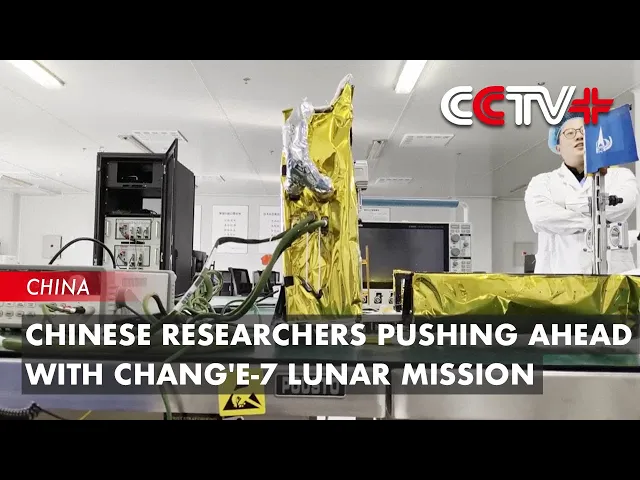
Chinese Researchers Pushing Ahead with Chang'e-7 Lunar Mission. By CCTV. From @CCTVVideoNewsAgency
The Prize That Changes Everything
Why the sudden lunar gold rush? The answer is simple: resources. The Moon’s south pole is believed to harbour vast reserves of water ice, rare earth elements, and even the elusive fusion fuel Helium-3. Water ice, in particular, is the holy grail—it can be split into hydrogen and oxygen for rocket fuel and life support, making deep space missions dramatically cheaper and more sustainable.
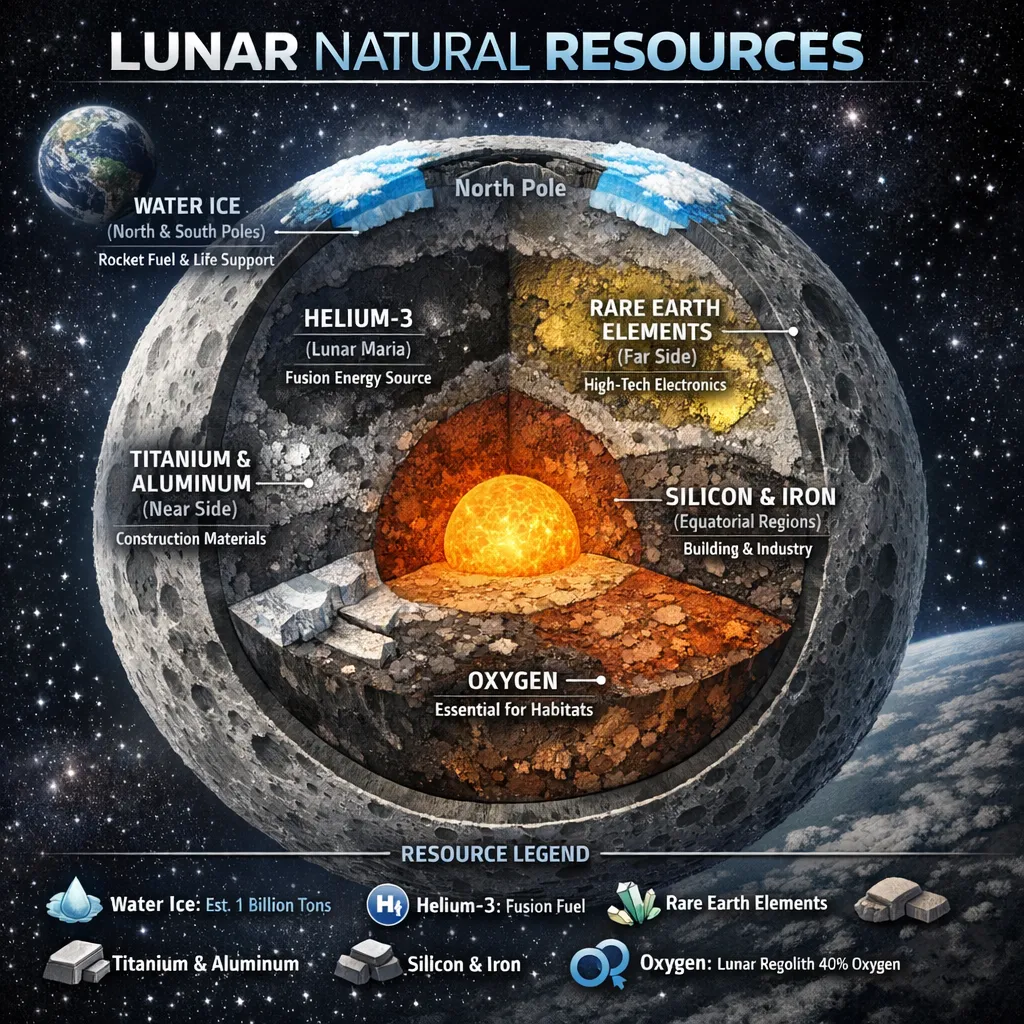
Graphic display of lunar natural resources.
Both Artemis II and Chang’e 7 are targeting this region, but with different strategies. Artemis II will send four astronauts on a 10-day journey around the Moon, testing NASA’s Space Launch System (SLS) and Orion spacecraft in deep space before future landings.
Chang’e 7, meanwhile, is a robotic powerhouse: an orbiter, lander, rover, and a world-first mini-hopping probe designed to explore permanently shadowed craters for water ice.
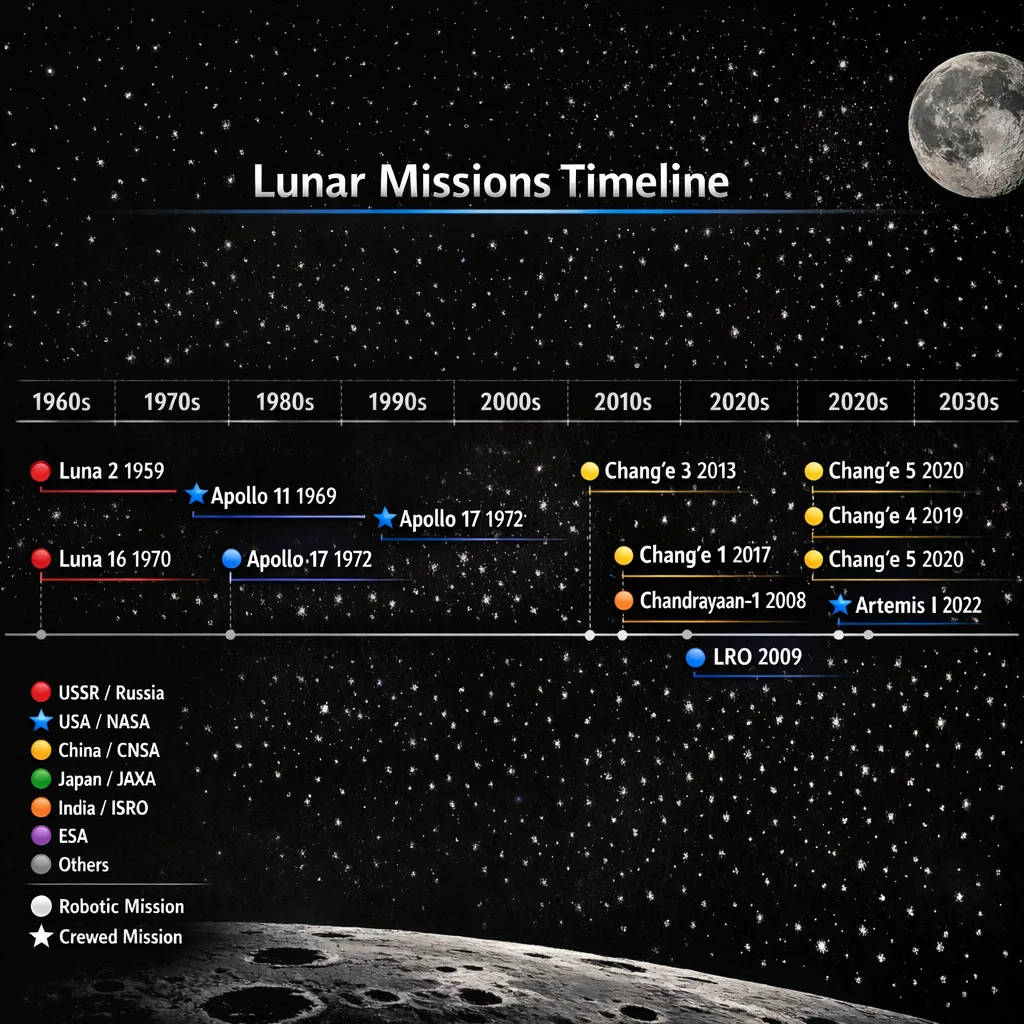
Lunar Missions Timeline: From Luna 2 to Artemis and Beyond.
From Cooperation to Cosmic Competition
This isn’t just about science—it’s about who writes the rules for the next era of space sci-fi. The Artemis Accords, led by the US and signed by over 50 nations, set out principles for transparency, interoperability, and “safety zones” around lunar operations. China and Russia, on the other hand, are building their own International Lunar Research Station (ILRS), inviting partners and advocating for a new multilateral agreement under the UN.
The legal landscape is murky. The 1967 Outer Space Treaty prohibits national appropriation of celestial bodies but is silent on resource extraction. The result? A fragmented system where countries pass their own laws and form rival blocs, raising the risk of overlapping claims and even direct confrontation.
Chang’e 7: The Technological Wildcard
China’s Chang’e 7 is more than just a mission—it’s a technological leap. Its mini-hopping probe will be the first to directly sample water ice in the Moon’s shadowed craters, a feat no other nation has attempted. The mission also features international payloads from Russia, Egypt, Switzerland, and more, reflecting China’s growing role as a hub for global lunar science.
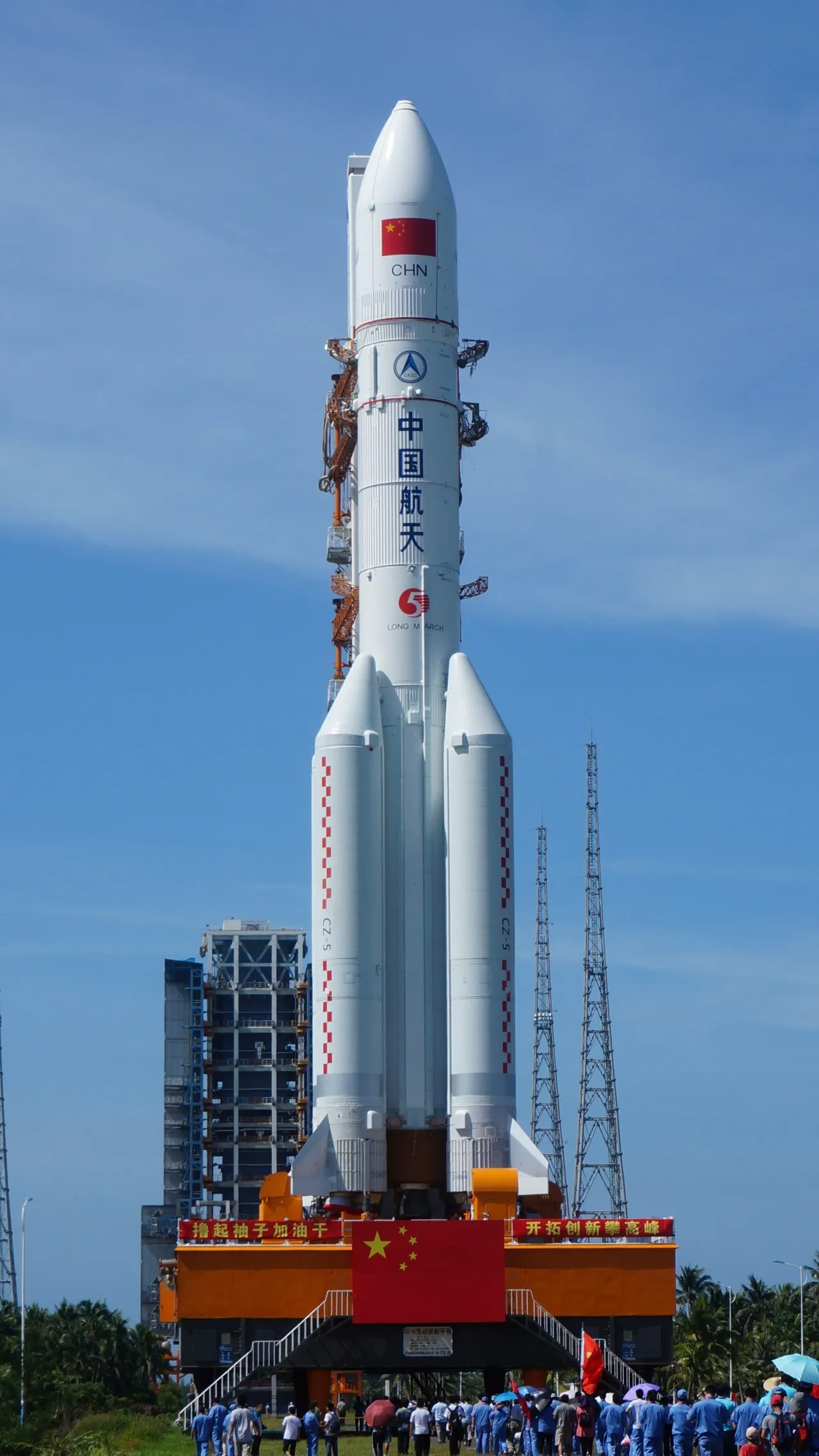
The Long March 5 rocket which will carry the Chang'e 7 payload to orbit. Image credit: Wikimedia
With a preferred landing site near Shackleton crater, Chang’e 7 is poised to map, analyse, and potentially unlock the Moon’s most valuable resources.
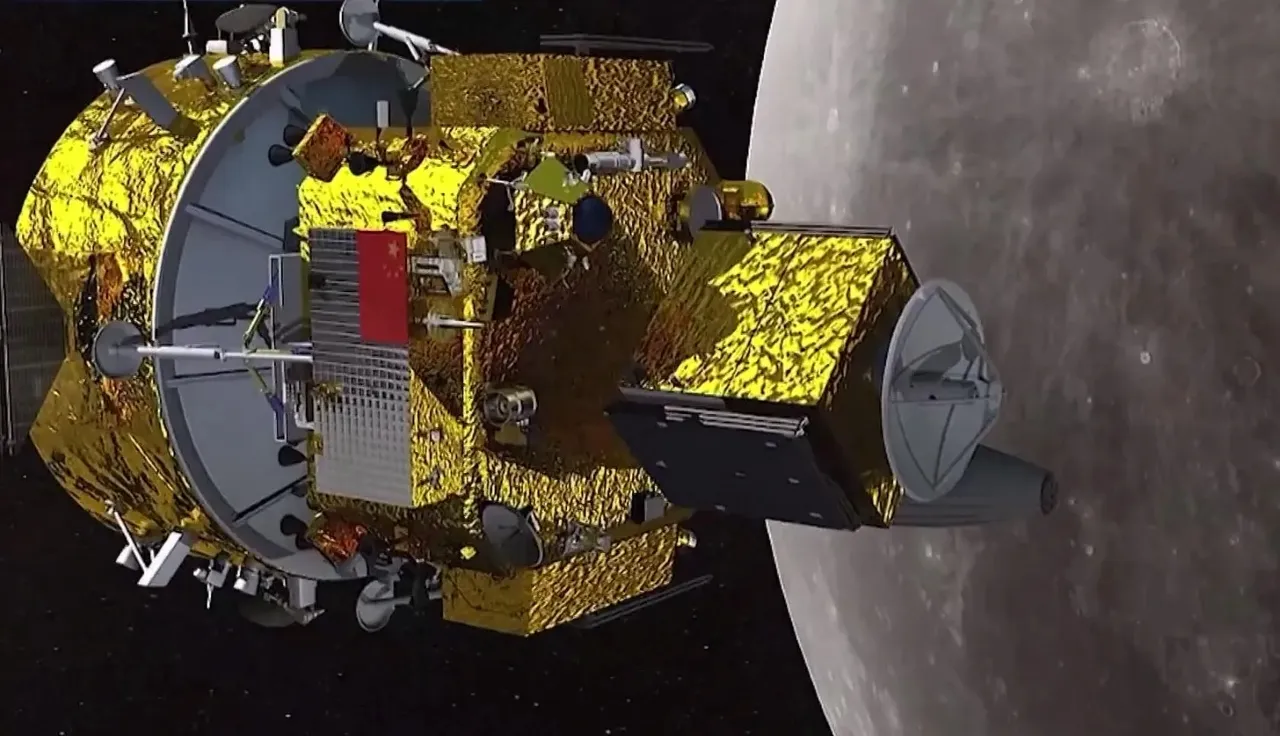
A 3D render of the technology packing Chang'e 7 module in orbit around the moon. Image credit: china-in-space.com
Artemis II: The Human Frontier
Artemis II, launching no earlier than April 2026, will be the first crewed lunar flyby since Apollo. Its four-person crew—including the first Canadian astronaut to travel to the Moon—will validate deep space systems and pave the way for Artemis III’s planned south pole landing.
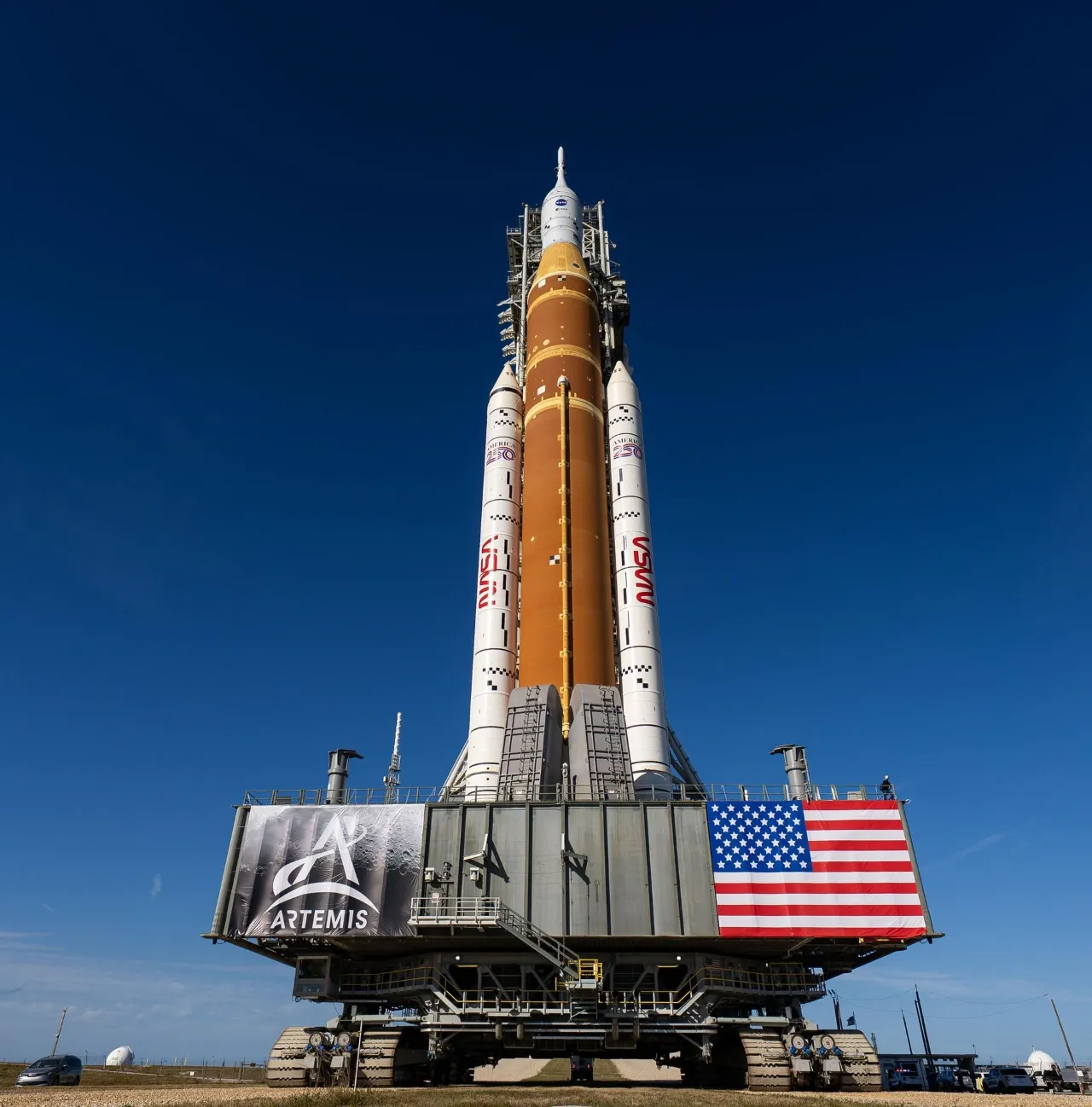
NASA’s SLS (Space Launch System) rocket is the most powerful single rocket ever built. Image credit: NASA
The mission is a strategic signal of US intent to maintain a sustained presence on the Moon, emphasizing international partnerships and open frameworks for lunar exploration.
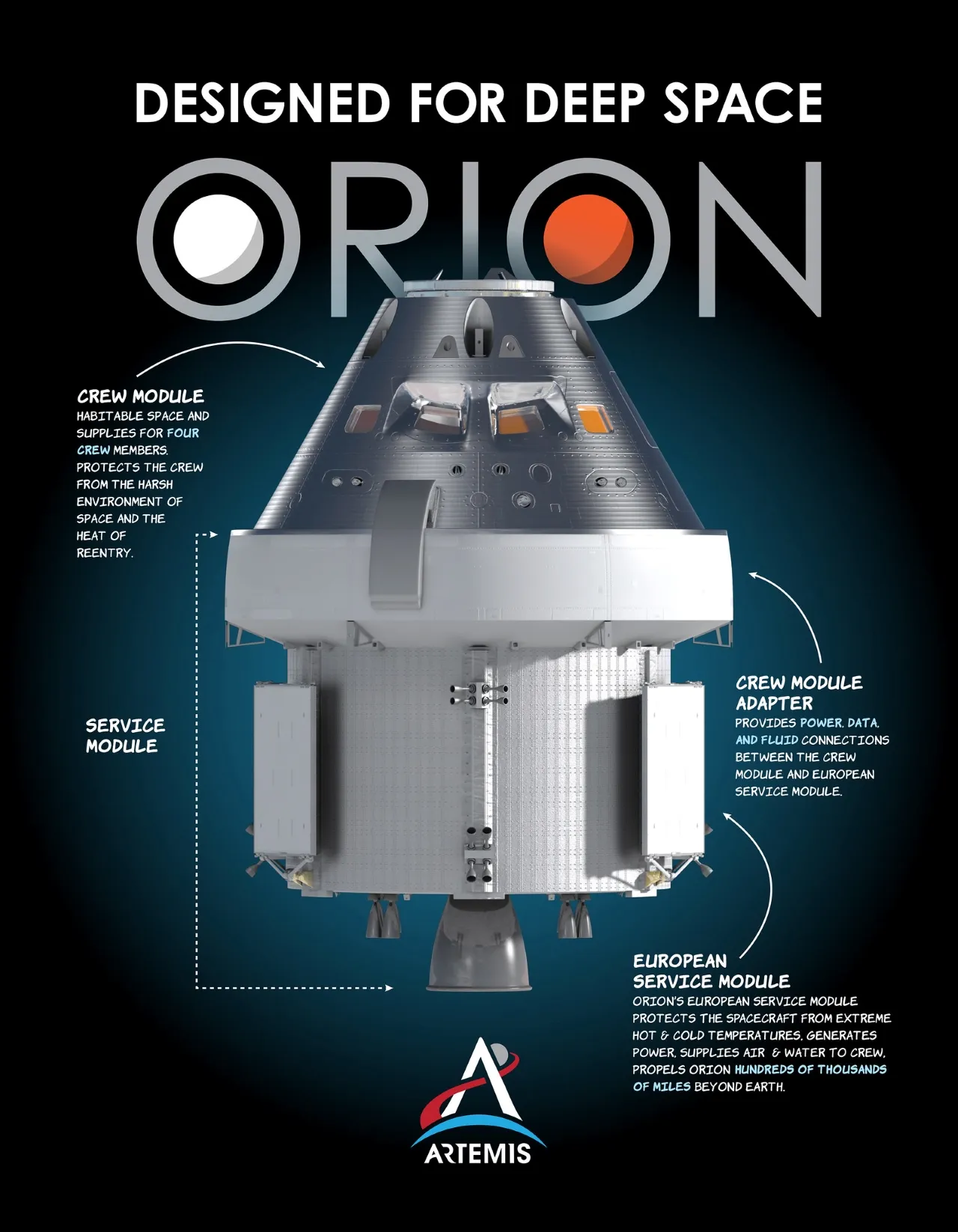
The Orion crew module that will carry the Artemis II astronauts around the moon. Image credit: NASA
This Brutal Moon: Sci-Fi’s Warning, Reality’s Challenge
The phrase “this brutal moon” isn’t just poetic—it’s a metaphor rooted in classic and contemporary space sci-fi. From Robert Heinlein’s The Moon Is a Harsh Mistress to Ian McDonald’s Luna: New Moon, fiction has long depicted the Moon as a place of scarcity, danger, and relentless competition. Today, that metaphor is more relevant than ever. The Moon’s environment is unforgiving: lethal radiation, wild temperature swings, abrasive dust, and a vacuum that punishes every mistake.
But the brutality isn’t just physical. The new lunar race is a test of geopolitics, technology, and international law—where the stakes are as high as any space sci-fi epic.
Sci-Fi Predictions vs Reality: The Moon on Screen
Space sci-fi has long warned us about the perils and promise of lunar colonization. Recent movies and TV shows are bringing these themes to a new generation:
Rebel Moon (Netflix, 2023–2024):
Zack Snyder’s two-part epic imagines a moon colony resisting imperial oppression, echoing real-world anxieties about resource exploitation and rebellion. Despite mixed reviews, it became a streaming juggernaut, with over 167 million views combined.
The Moon (2023):
This South Korean thriller follows an astronaut stranded on the Moon, highlighting the technical and emotional challenges of lunar survival and national pride.
Crater (Disney+, 2023):
A coming-of-age adventure set on a lunar mining colony, exploring the social dynamics and corporate control of resource-driven settlements.
The Silent Sea (Netflix, 2021–2022):
A Korean series where a team investigates a lunar research base in search of water, blending thriller elements with hard sci-fi and resource competition.
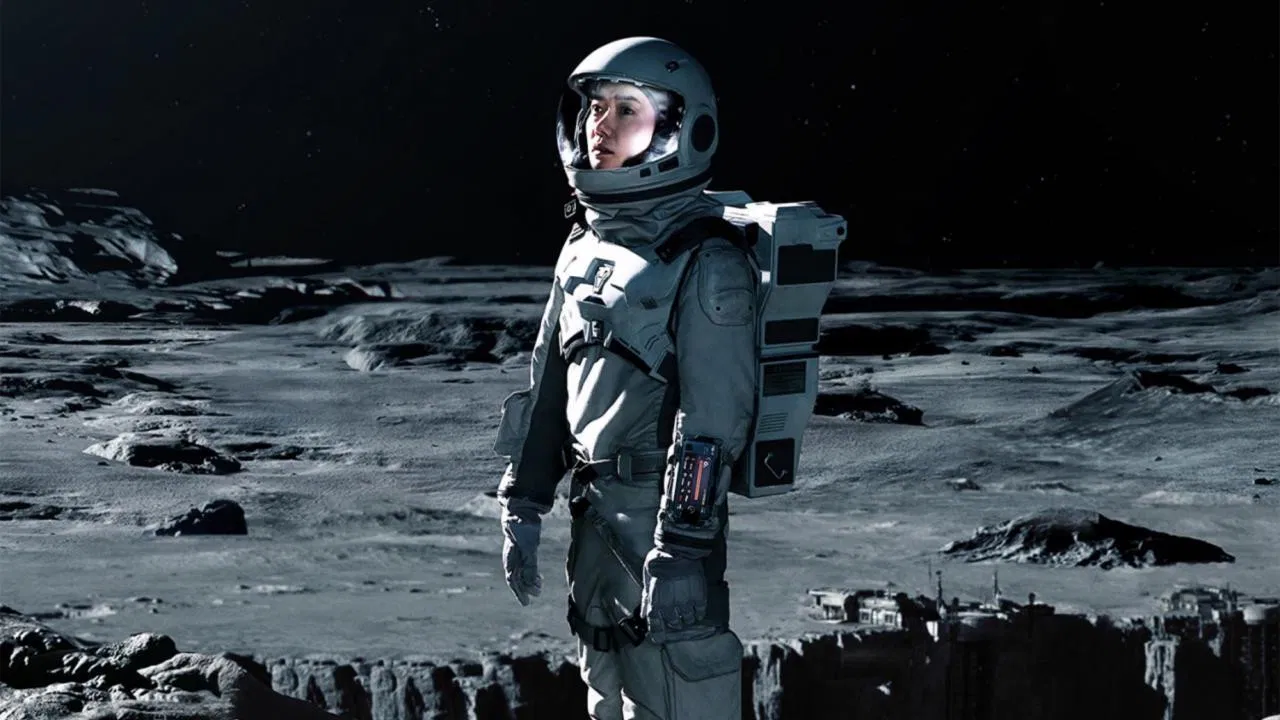
Bae Doona in a scene from the Silent Sea depicting lone astronaut on the harsh surface of the Moon. Image credit: TMDB
These works reflect—and sometimes predict—the very real tensions, ambitions, and dangers now playing out in lunar policy and engineering.
The Path Forward: Cooperation or Conflict?
The future of lunar resource utilization hangs in the balance. Will the Moon become a proving ground for equitable and sustainable development—or a new arena for conflict? Experts warn that binding international agreements are urgently needed to ensure the Moon’s resources serve all of humanity, not just the first to stake their claim.
The Artemis Paradox is clear: while the US leads with crewed missions and global partnerships, China’s Chang’e 7 is quietly writing the next chapter of lunar exploration—one where robotic scouts, resource mapping, and international science pave the way for tomorrow’s space sci-fi.
For more on the future space Sci-Fi and space exploration, keep your scanners locked on www.scinexic.com
Further Reading:
Artemis II vs Chang’e 7—A New Lunar Showdown
The Moon is no longer just a symbol of human aspiration—it’s the next battleground in a high-stakes global race for resources, power, and technological supremacy. As NASA’s Artemis II prepares for its historic crewed lunar flyby and China’s Chang’e 7 mission readies a robotic leap to the lunar south pole, the world is witnessing a real-life space sci-fi drama that rivals anything Hollywood could imagine. This is “This Brutal Moon”—where the stakes are as real as the regolith beneath our boots.
Chinese Researchers Pushing Ahead with Chang'e-7 Lunar Mission. By CCTV. From @CCTVVideoNewsAgency
The Prize That Changes Everything
Why the sudden lunar gold rush? The answer is simple: resources. The Moon’s south pole is believed to harbour vast reserves of water ice, rare earth elements, and even the elusive fusion fuel Helium-3. Water ice, in particular, is the holy grail—it can be split into hydrogen and oxygen for rocket fuel and life support, making deep space missions dramatically cheaper and more sustainable.
Graphic display of lunar natural resources.
Both Artemis II and Chang’e 7 are targeting this region, but with different strategies. Artemis II will send four astronauts on a 10-day journey around the Moon, testing NASA’s Space Launch System (SLS) and Orion spacecraft in deep space before future landings.
Chang’e 7, meanwhile, is a robotic powerhouse: an orbiter, lander, rover, and a world-first mini-hopping probe designed to explore permanently shadowed craters for water ice.
Lunar Missions Timeline: From Luna 2 to Artemis and Beyond.
From Cooperation to Cosmic Competition
This isn’t just about science—it’s about who writes the rules for the next era of space sci-fi. The Artemis Accords, led by the US and signed by over 50 nations, set out principles for transparency, interoperability, and “safety zones” around lunar operations. China and Russia, on the other hand, are building their own International Lunar Research Station (ILRS), inviting partners and advocating for a new multilateral agreement under the UN.
The legal landscape is murky. The 1967 Outer Space Treaty prohibits national appropriation of celestial bodies but is silent on resource extraction. The result? A fragmented system where countries pass their own laws and form rival blocs, raising the risk of overlapping claims and even direct confrontation.
Chang’e 7: The Technological Wildcard
China’s Chang’e 7 is more than just a mission—it’s a technological leap. Its mini-hopping probe will be the first to directly sample water ice in the Moon’s shadowed craters, a feat no other nation has attempted. The mission also features international payloads from Russia, Egypt, Switzerland, and more, reflecting China’s growing role as a hub for global lunar science.
The Long March 5 rocket which will carry the Chang'e 7 payload to orbit. Image credit: Wikimedia
With a preferred landing site near Shackleton crater, Chang’e 7 is poised to map, analyse, and potentially unlock the Moon’s most valuable resources.
A 3D render of the technology packing Chang'e 7 module in orbit around the moon. Image credit: china-in-space.com
Artemis II: The Human Frontier
Artemis II, launching no earlier than April 2026, will be the first crewed lunar flyby since Apollo. Its four-person crew—including the first Canadian astronaut to travel to the Moon—will validate deep space systems and pave the way for Artemis III’s planned south pole landing.
NASA’s SLS (Space Launch System) rocket is the most powerful single rocket ever built. Image credit: NASA
The mission is a strategic signal of US intent to maintain a sustained presence on the Moon, emphasizing international partnerships and open frameworks for lunar exploration.
The Orion crew module that will carry the Artemis II astronauts around the moon. Image credit: NASA
This Brutal Moon: Sci-Fi’s Warning, Reality’s Challenge
The phrase “this brutal moon” isn’t just poetic—it’s a metaphor rooted in classic and contemporary space sci-fi. From Robert Heinlein’s The Moon Is a Harsh Mistress to Ian McDonald’s Luna: New Moon, fiction has long depicted the Moon as a place of scarcity, danger, and relentless competition. Today, that metaphor is more relevant than ever. The Moon’s environment is unforgiving: lethal radiation, wild temperature swings, abrasive dust, and a vacuum that punishes every mistake.
But the brutality isn’t just physical. The new lunar race is a test of geopolitics, technology, and international law—where the stakes are as high as any space sci-fi epic.
Sci-Fi Predictions vs Reality: The Moon on Screen
Space sci-fi has long warned us about the perils and promise of lunar colonization. Recent movies and TV shows are bringing these themes to a new generation:
Rebel Moon (Netflix, 2023–2024):
Zack Snyder’s two-part epic imagines a moon colony resisting imperial oppression, echoing real-world anxieties about resource exploitation and rebellion. Despite mixed reviews, it became a streaming juggernaut, with over 167 million views combined.
The Moon (2023):
This South Korean thriller follows an astronaut stranded on the Moon, highlighting the technical and emotional challenges of lunar survival and national pride.
Crater (Disney+, 2023):
A coming-of-age adventure set on a lunar mining colony, exploring the social dynamics and corporate control of resource-driven settlements.
The Silent Sea (Netflix, 2021–2022):
A Korean series where a team investigates a lunar research base in search of water, blending thriller elements with hard sci-fi and resource competition.
Bae Doona in a scene from the Silent Sea depicting lone astronaut on the harsh surface of the Moon. Image credit: TMDB
These works reflect—and sometimes predict—the very real tensions, ambitions, and dangers now playing out in lunar policy and engineering.
The Path Forward: Cooperation or Conflict?
The future of lunar resource utilization hangs in the balance. Will the Moon become a proving ground for equitable and sustainable development—or a new arena for conflict? Experts warn that binding international agreements are urgently needed to ensure the Moon’s resources serve all of humanity, not just the first to stake their claim.
The Artemis Paradox is clear: while the US leads with crewed missions and global partnerships, China’s Chang’e 7 is quietly writing the next chapter of lunar exploration—one where robotic scouts, resource mapping, and international science pave the way for tomorrow’s space sci-fi.
For more on the future space Sci-Fi and space exploration, keep your scanners locked on www.scinexic.com
Further Reading:
Artemis II vs Chang’e 7—A New Lunar Showdown
The Moon is no longer just a symbol of human aspiration—it’s the next battleground in a high-stakes global race for resources, power, and technological supremacy. As NASA’s Artemis II prepares for its historic crewed lunar flyby and China’s Chang’e 7 mission readies a robotic leap to the lunar south pole, the world is witnessing a real-life space sci-fi drama that rivals anything Hollywood could imagine. This is “This Brutal Moon”—where the stakes are as real as the regolith beneath our boots.
Chinese Researchers Pushing Ahead with Chang'e-7 Lunar Mission. By CCTV. From @CCTVVideoNewsAgency
The Prize That Changes Everything
Why the sudden lunar gold rush? The answer is simple: resources. The Moon’s south pole is believed to harbour vast reserves of water ice, rare earth elements, and even the elusive fusion fuel Helium-3. Water ice, in particular, is the holy grail—it can be split into hydrogen and oxygen for rocket fuel and life support, making deep space missions dramatically cheaper and more sustainable.
Graphic display of lunar natural resources.
Both Artemis II and Chang’e 7 are targeting this region, but with different strategies. Artemis II will send four astronauts on a 10-day journey around the Moon, testing NASA’s Space Launch System (SLS) and Orion spacecraft in deep space before future landings.
Chang’e 7, meanwhile, is a robotic powerhouse: an orbiter, lander, rover, and a world-first mini-hopping probe designed to explore permanently shadowed craters for water ice.
Lunar Missions Timeline: From Luna 2 to Artemis and Beyond.
From Cooperation to Cosmic Competition
This isn’t just about science—it’s about who writes the rules for the next era of space sci-fi. The Artemis Accords, led by the US and signed by over 50 nations, set out principles for transparency, interoperability, and “safety zones” around lunar operations. China and Russia, on the other hand, are building their own International Lunar Research Station (ILRS), inviting partners and advocating for a new multilateral agreement under the UN.
The legal landscape is murky. The 1967 Outer Space Treaty prohibits national appropriation of celestial bodies but is silent on resource extraction. The result? A fragmented system where countries pass their own laws and form rival blocs, raising the risk of overlapping claims and even direct confrontation.
Chang’e 7: The Technological Wildcard
China’s Chang’e 7 is more than just a mission—it’s a technological leap. Its mini-hopping probe will be the first to directly sample water ice in the Moon’s shadowed craters, a feat no other nation has attempted. The mission also features international payloads from Russia, Egypt, Switzerland, and more, reflecting China’s growing role as a hub for global lunar science.
The Long March 5 rocket which will carry the Chang'e 7 payload to orbit. Image credit: Wikimedia
With a preferred landing site near Shackleton crater, Chang’e 7 is poised to map, analyse, and potentially unlock the Moon’s most valuable resources.
A 3D render of the technology packing Chang'e 7 module in orbit around the moon. Image credit: china-in-space.com
Artemis II: The Human Frontier
Artemis II, launching no earlier than April 2026, will be the first crewed lunar flyby since Apollo. Its four-person crew—including the first Canadian astronaut to travel to the Moon—will validate deep space systems and pave the way for Artemis III’s planned south pole landing.
NASA’s SLS (Space Launch System) rocket is the most powerful single rocket ever built. Image credit: NASA
The mission is a strategic signal of US intent to maintain a sustained presence on the Moon, emphasizing international partnerships and open frameworks for lunar exploration.
The Orion crew module that will carry the Artemis II astronauts around the moon. Image credit: NASA
This Brutal Moon: Sci-Fi’s Warning, Reality’s Challenge
The phrase “this brutal moon” isn’t just poetic—it’s a metaphor rooted in classic and contemporary space sci-fi. From Robert Heinlein’s The Moon Is a Harsh Mistress to Ian McDonald’s Luna: New Moon, fiction has long depicted the Moon as a place of scarcity, danger, and relentless competition. Today, that metaphor is more relevant than ever. The Moon’s environment is unforgiving: lethal radiation, wild temperature swings, abrasive dust, and a vacuum that punishes every mistake.
But the brutality isn’t just physical. The new lunar race is a test of geopolitics, technology, and international law—where the stakes are as high as any space sci-fi epic.
Sci-Fi Predictions vs Reality: The Moon on Screen
Space sci-fi has long warned us about the perils and promise of lunar colonization. Recent movies and TV shows are bringing these themes to a new generation:
Rebel Moon (Netflix, 2023–2024):
Zack Snyder’s two-part epic imagines a moon colony resisting imperial oppression, echoing real-world anxieties about resource exploitation and rebellion. Despite mixed reviews, it became a streaming juggernaut, with over 167 million views combined.
The Moon (2023):
This South Korean thriller follows an astronaut stranded on the Moon, highlighting the technical and emotional challenges of lunar survival and national pride.
Crater (Disney+, 2023):
A coming-of-age adventure set on a lunar mining colony, exploring the social dynamics and corporate control of resource-driven settlements.
The Silent Sea (Netflix, 2021–2022):
A Korean series where a team investigates a lunar research base in search of water, blending thriller elements with hard sci-fi and resource competition.
Bae Doona in a scene from the Silent Sea depicting lone astronaut on the harsh surface of the Moon. Image credit: TMDB
These works reflect—and sometimes predict—the very real tensions, ambitions, and dangers now playing out in lunar policy and engineering.
The Path Forward: Cooperation or Conflict?
The future of lunar resource utilization hangs in the balance. Will the Moon become a proving ground for equitable and sustainable development—or a new arena for conflict? Experts warn that binding international agreements are urgently needed to ensure the Moon’s resources serve all of humanity, not just the first to stake their claim.
The Artemis Paradox is clear: while the US leads with crewed missions and global partnerships, China’s Chang’e 7 is quietly writing the next chapter of lunar exploration—one where robotic scouts, resource mapping, and international science pave the way for tomorrow’s space sci-fi.
For more on the future space Sci-Fi and space exploration, keep your scanners locked on www.scinexic.com
Further Reading:
Get the SciNexic Dispatch
Space sci-fi news, reviews, trailers, and release picks—straight to your inbox.
Get the dispatch
Image Gallery
Comments
Please be kind and considerate. Any abusive or offensive comments will be sent out the airlock! Thank You.
Please be kind and considerate. Any abusive or offensive comments will be sent out the airlock! Thank You.
Get the Dispatch
Related Posts

Share on Twitter
Share on Instagram
Main Article - All images and media are the property of their respective owners.