


The SciNexic Files
The SciNexic Files
The SciNexic Files
Analysis
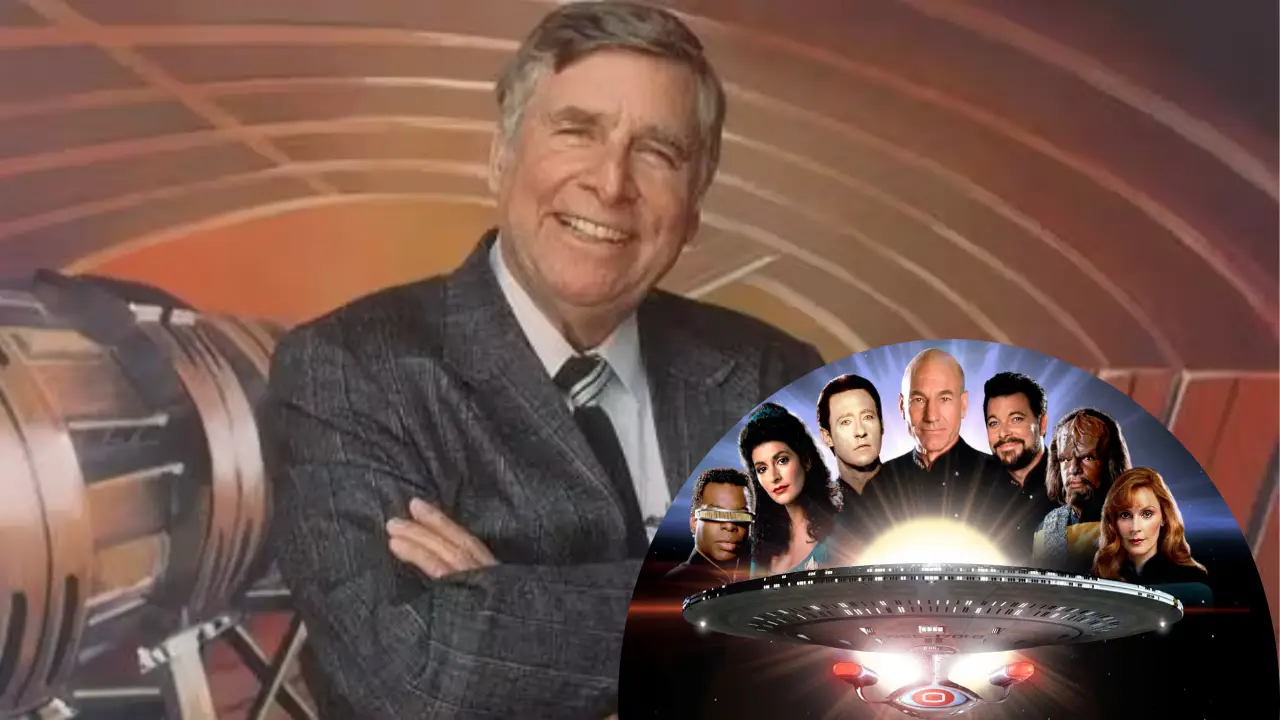
Gene Roddenberry’s Rift: How “The Measure of a Man” Redefined Star Trek’s Moral Universe
5 min read
A Rift in the Final Frontier
The year is 1989. On television screens across the world, the sleek curves of the USS Enterprise-D glide through the velvet blackness, carrying with it the hopes of a new generation of Star Trek fans. Star Trek: The Next Generation (TNG), now in its stride, has become more than a sequel—it is a cultural force, an emblem of late-20th-century optimism and speculative ambition. Yet, behind the scenes, a quiet turbulence brews.
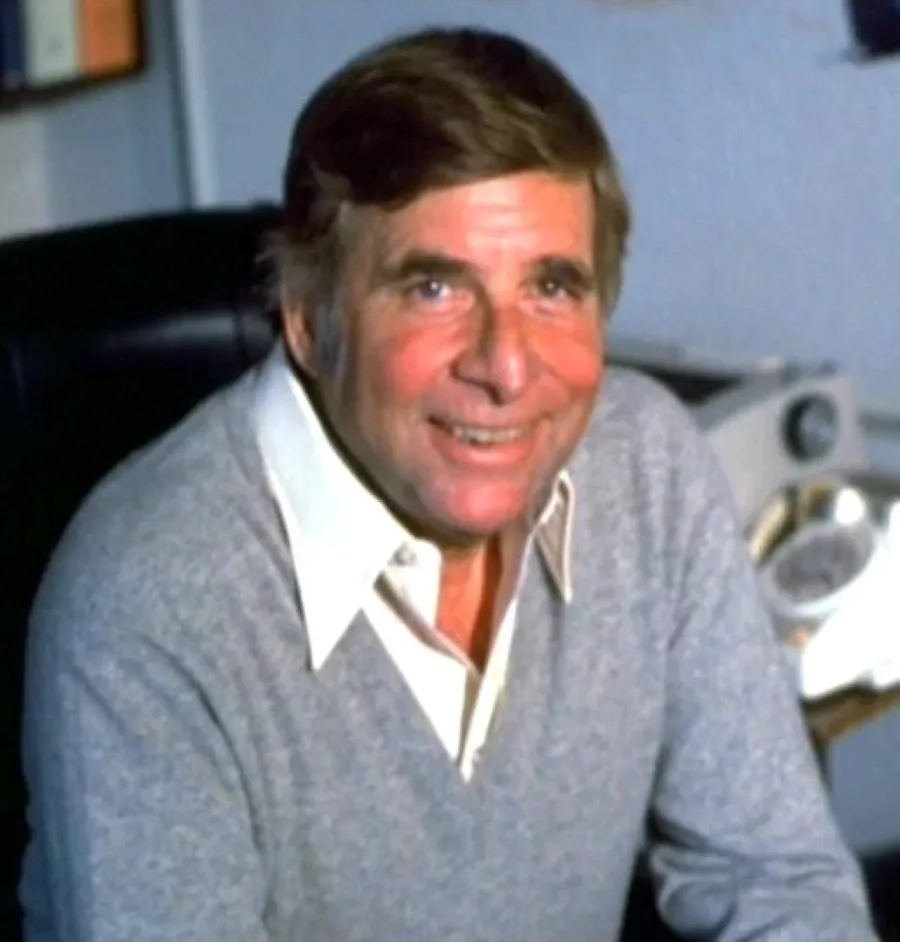
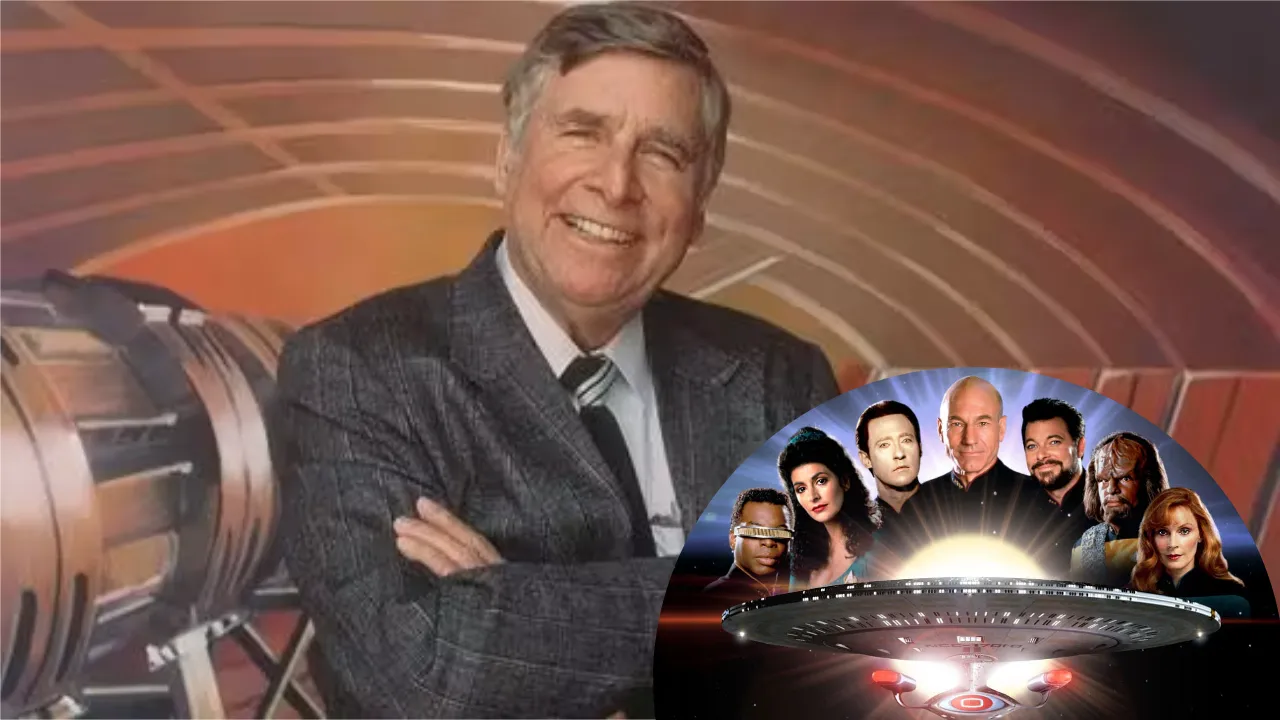
Gene Roddenberry's complex vision of morality and humanity's future as explored in "Star Trek: TNG." Image credit: Memory Alpha
At the helm stands Gene Roddenberry, the visionary creator whose ideals shaped the very DNA of Star Trek. But Roddenberry is not content to bask in the glow of his creation’s success. Instead, he finds himself at odds with a story that would become one of the franchise’s most beloved episodes. His criticisms, sharp and unyielding, raise a question that would echo through the corridors of science fiction: How do the convictions of a creator shape—and sometimes constrain—the evolution of a mythos? And what happens when a single episode challenges the very utopia he imagined?
Explore more: Gallery
The Episode in Question: “The Measure of a Man”
On 13 February 1989, TNG aired “The Measure of a Man” (Season 2, Episode 9). The premise is deceptively simple: Lieutenant Commander Data, the Enterprise’s sentient android, faces a legal battle to determine whether he is Starfleet property or a person with rights.
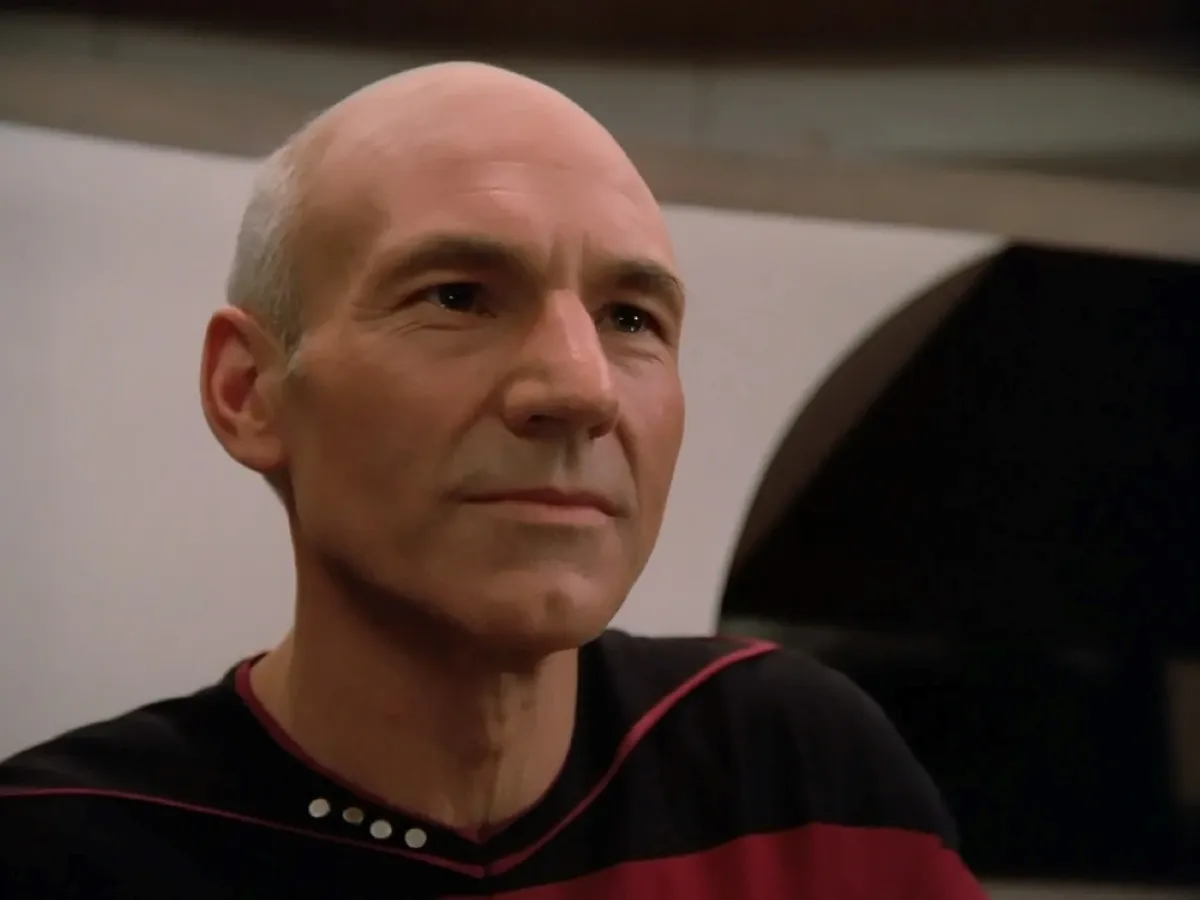
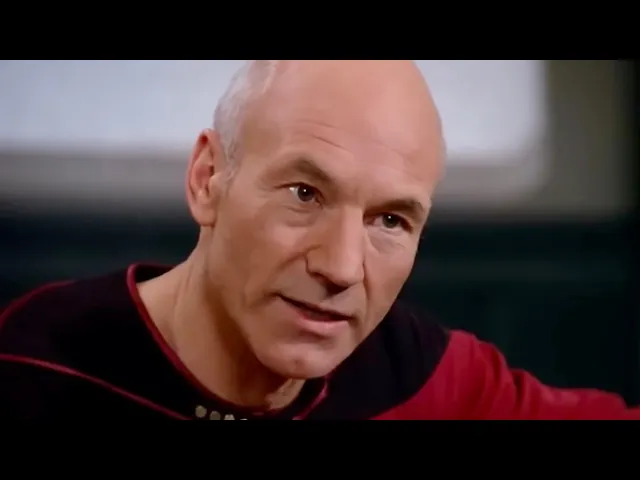
Picard’s defence of Data reframes Starfleet’s utopia as something that must be argued for, not simply assumed. Image credit: Memory Alpha
The stakes are existential, both for Data and for the Federation’s self-image. In a makeshift courtroom, Captain Picard becomes Data’s advocate, while Commander Riker is forced to prosecute, pitting friend against friend in a drama that is both intimate and cosmic in its implications.
Explore more: Store
At the time, the episode was a bold narrative experiment. Initial critical reception was positive, though it would take years for its reputation to crystallise. Today, “The Measure of a Man” stands as a fan favourite, lauded for its philosophical depth and emotional resonance.
It has become a touchstone for the depiction of artificial intelligence in science fiction, influencing debates on AI rights far beyond the confines of genre television. It is, by nearly all measures, a classic. Yet, for Roddenberry, it was a source of deep discomfort.
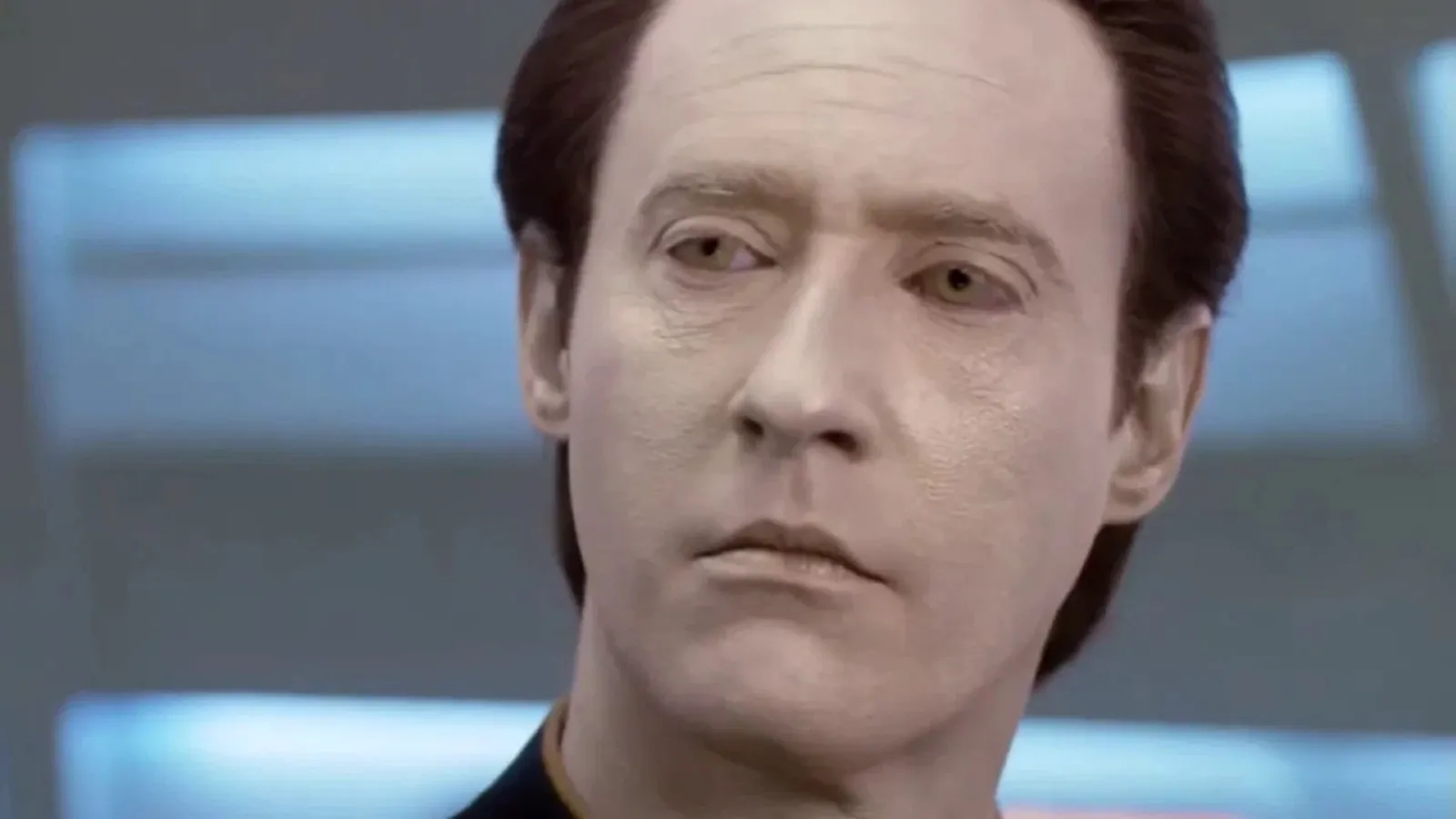
Data’s legal battle in “The Measure of a Man” turns a Starfleet hearing into one of Sci-Fi's defining questions of personhood. Image credit: TMDB
Roddenberry’s Vision: Utopian Ideals and Narrative Boundaries
To understand Roddenberry’s unease, one must first grasp the contours of his vision. From the outset, Star Trek was conceived as a vessel for humanism, optimism, and the belief in a future where humanity had transcended its baser instincts. Roddenberry’s Federation was a post-scarcity, post-prejudice society—a utopia where conflict arose not from within, but from the unknown beyond. Starfleet officers, in his eyes, were paragons: rational, ethical, and above the petty squabbles of our own era.
This ethos was more than window dressing; it was a creative mandate. Roddenberry was famously resistant to stories that depicted internal strife, legal disputes, or moral ambiguity within the Federation. As chronicled in The Fifty-Year Mission, Vol. 2, he saw Star Trek’s future as one where humanity had solved its fundamental problems. Courtroom drama, especially one that called into question the moral clarity of Starfleet, was anathema to his utopian project.
The Critique: Roddenberry’s Objections to “The Measure of a Man”
Against this backdrop, Roddenberry’s objections to “The Measure of a Man” come into sharp relief. He was troubled by the episode’s portrayal of Starfleet as a bureaucracy capable of prejudice and error. The very premise—that Data’s personhood could be subject to legal debate—struck him as a betrayal of the Federation’s enlightened ideals. In his notes to the writers and producers, Roddenberry expressed discomfort with the adversarial nature of the courtroom proceedings. He feared that such stories would erode the aspirational image of Starfleet, making it seem little better than the flawed institutions of the twentieth century.
According to Star Trek: The Next Generation Companion by Larry Nemecek, Roddenberry’s notes were specific and pointed. He objected to the notion that Starfleet officers could act as antagonists in a legal setting, and questioned whether such a scenario would even be plausible in the world he had built. For Roddenberry, the Federation was meant to be a beacon; to suggest otherwise was, to him, a narrative misstep.
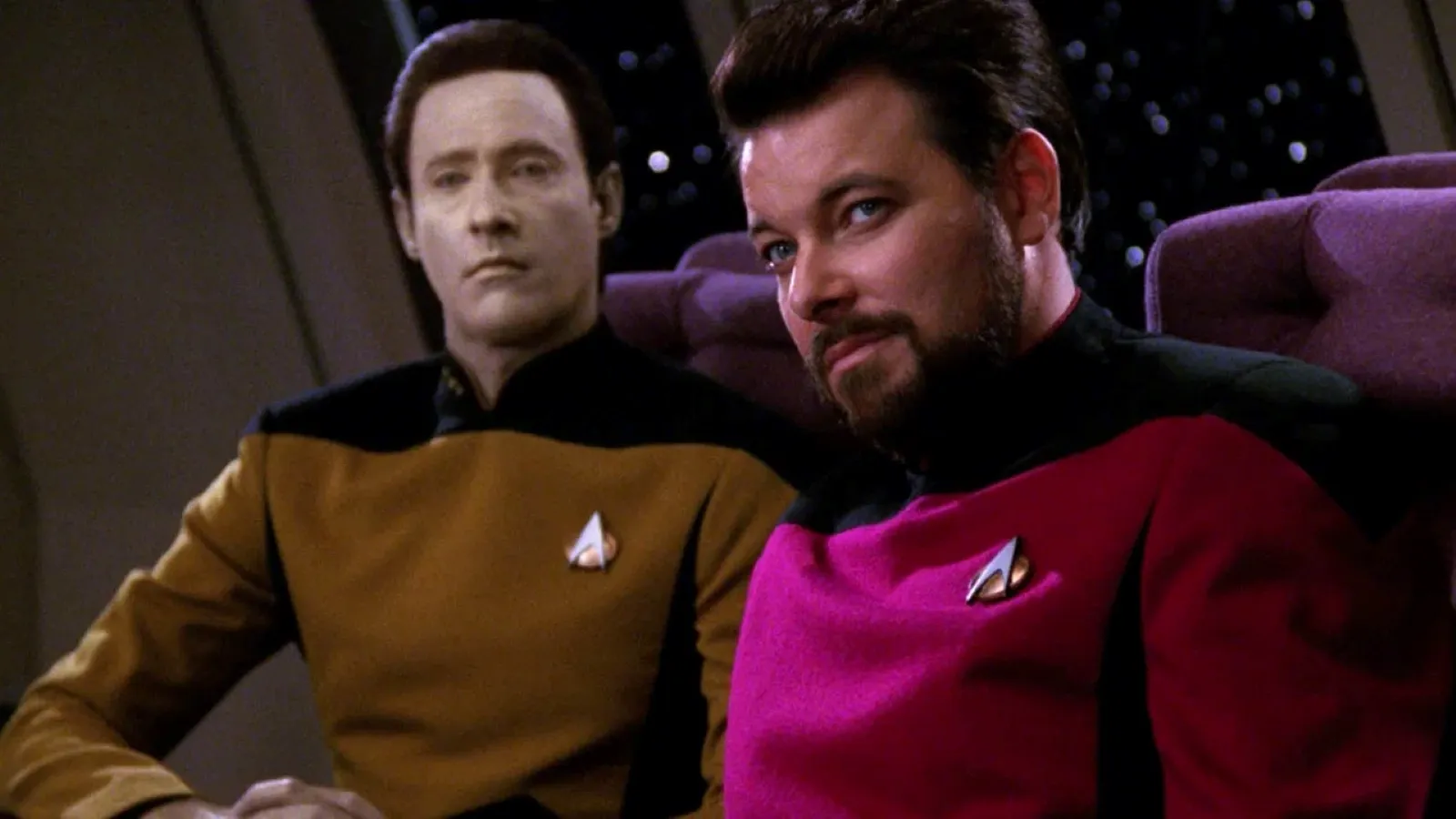
The dynamic between Data and Riker in the legal proceedings helped expose the creative fault line that made TNG’s later storytelling richer, despite Roddenberry’s unease. Image credit: TMDB
Creative Tensions: Writers, Producers, and the Evolution of TNG
The tension between Roddenberry and the writing staff was not unique to this episode, but “The Measure of a Man” crystallised the stakes. Melinda M. Snodgrass, a former attorney, wrote the script with a keen sense of legal drama and ethical ambiguity. Producer Maurice Hurley supported her vision, recognising the dramatic potential in challenging the Federation’s assumptions. Yet, as revealed in The Trek Files podcast, Snodgrass faced pressure to soften the episode’s critique of Starfleet. Roddenberry’s influence meant that compromises were inevitable: language was tweaked, motivations clarified, and the ultimate outcome carefully calibrated to preserve the Federation’s dignity.
These creative negotiations mirrored broader changes behind the scenes. As TNG progressed, Roddenberry’s direct control began to wane, due in part to health issues and the growing confidence of the show’s producers. This shift allowed for greater narrative complexity, enabling TNG to explore themes of doubt, dissent, and moral uncertainty—territory that would have been off-limits in the show’s earliest days.
Legacy and Impact: Redefining Star Trek’s Moral Landscape
In retrospect, “The Measure of a Man” marks a turning point—not just for TNG, but for Star Trek as a whole. By daring to question the Federation’s infallibility, the episode set a precedent for stories that engaged with ethical dilemmas from within. It opened the door to episodes like “The Drumhead” and “Chain of Command”, where the ideals of Starfleet are tested by internal flaws and external pressures. The philosophical scope of the franchise expanded, embracing the idea that utopia is not static, but must be continually interrogated and renewed.
Star Trek: The Next Generation | Measure of A Man | S2E9. By Paramount. From @mrmagassi
The episode’s influence extends beyond Star Trek. Its nuanced exploration of artificial intelligence and legal rights has been cited in academic discussions of AI ethics and personhood. The extended edition commentary on the Blu-ray release underscores how its legacy has only deepened with time. Paradoxically, Roddenberry’s criticisms—his insistence on a flawless Federation—may have catalysed the very complexity that makes modern Star Trek so enduring. By pushing against the boundaries of his vision, the writers forged a storytelling space where the future could be both aspirational and achingly human.
Conclusion: The Value of Dissent in Building a Sci-Fi Legacy
The story of “The Measure of a Man” is, at its core, a story about creative friction. Roddenberry’s utopian ideals provided the foundation upon which Star Trek was built, but it was the willingness to question those ideals—to introduce conflict, ambiguity, and dissent—that allowed the series to grow. In the crucible of debate between creator and collaborators, Star Trek found its voice as a living, evolving mythos.
Science fiction thrives on the tension between vision and adaptation. It is in the space between what is imagined and what is possible that the genre finds its power. As the courtroom doors close on Data’s trial, we are left with an image that is both unsettling and exhilarating: the promise of utopia, challenged and renewed by the courage to ask difficult questions. In that moment, Star Trek became not just a mirror of our hopes, but a canvas for our most urgent doubts—a legacy forged in the rift between perfection and possibility.
Explore more: SciNexic Files
You Might Also Like:
Creators
For more space sci-fi news, recommendations, and the latest in interstellar viewing, keep exploring Scinexic.com
5 min read
A Rift in the Final Frontier
The year is 1989. On television screens across the world, the sleek curves of the USS Enterprise-D glide through the velvet blackness, carrying with it the hopes of a new generation of Star Trek fans. Star Trek: The Next Generation (TNG), now in its stride, has become more than a sequel—it is a cultural force, an emblem of late-20th-century optimism and speculative ambition. Yet, behind the scenes, a quiet turbulence brews.
Gene Roddenberry's complex vision of morality and humanity's future as explored in "Star Trek: TNG." Image credit: Memory Alpha
At the helm stands Gene Roddenberry, the visionary creator whose ideals shaped the very DNA of Star Trek. But Roddenberry is not content to bask in the glow of his creation’s success. Instead, he finds himself at odds with a story that would become one of the franchise’s most beloved episodes. His criticisms, sharp and unyielding, raise a question that would echo through the corridors of science fiction: How do the convictions of a creator shape—and sometimes constrain—the evolution of a mythos? And what happens when a single episode challenges the very utopia he imagined?
Explore more: Gallery
The Episode in Question: “The Measure of a Man”
On 13 February 1989, TNG aired “The Measure of a Man” (Season 2, Episode 9). The premise is deceptively simple: Lieutenant Commander Data, the Enterprise’s sentient android, faces a legal battle to determine whether he is Starfleet property or a person with rights.
Picard’s defence of Data reframes Starfleet’s utopia as something that must be argued for, not simply assumed. Image credit: Memory Alpha
The stakes are existential, both for Data and for the Federation’s self-image. In a makeshift courtroom, Captain Picard becomes Data’s advocate, while Commander Riker is forced to prosecute, pitting friend against friend in a drama that is both intimate and cosmic in its implications.
Explore more: Store
At the time, the episode was a bold narrative experiment. Initial critical reception was positive, though it would take years for its reputation to crystallise. Today, “The Measure of a Man” stands as a fan favourite, lauded for its philosophical depth and emotional resonance.
It has become a touchstone for the depiction of artificial intelligence in science fiction, influencing debates on AI rights far beyond the confines of genre television. It is, by nearly all measures, a classic. Yet, for Roddenberry, it was a source of deep discomfort.
Data’s legal battle in “The Measure of a Man” turns a Starfleet hearing into one of Sci-Fi's defining questions of personhood. Image credit: TMDB
Roddenberry’s Vision: Utopian Ideals and Narrative Boundaries
To understand Roddenberry’s unease, one must first grasp the contours of his vision. From the outset, Star Trek was conceived as a vessel for humanism, optimism, and the belief in a future where humanity had transcended its baser instincts. Roddenberry’s Federation was a post-scarcity, post-prejudice society—a utopia where conflict arose not from within, but from the unknown beyond. Starfleet officers, in his eyes, were paragons: rational, ethical, and above the petty squabbles of our own era.
This ethos was more than window dressing; it was a creative mandate. Roddenberry was famously resistant to stories that depicted internal strife, legal disputes, or moral ambiguity within the Federation. As chronicled in The Fifty-Year Mission, Vol. 2, he saw Star Trek’s future as one where humanity had solved its fundamental problems. Courtroom drama, especially one that called into question the moral clarity of Starfleet, was anathema to his utopian project.
The Critique: Roddenberry’s Objections to “The Measure of a Man”
Against this backdrop, Roddenberry’s objections to “The Measure of a Man” come into sharp relief. He was troubled by the episode’s portrayal of Starfleet as a bureaucracy capable of prejudice and error. The very premise—that Data’s personhood could be subject to legal debate—struck him as a betrayal of the Federation’s enlightened ideals. In his notes to the writers and producers, Roddenberry expressed discomfort with the adversarial nature of the courtroom proceedings. He feared that such stories would erode the aspirational image of Starfleet, making it seem little better than the flawed institutions of the twentieth century.
According to Star Trek: The Next Generation Companion by Larry Nemecek, Roddenberry’s notes were specific and pointed. He objected to the notion that Starfleet officers could act as antagonists in a legal setting, and questioned whether such a scenario would even be plausible in the world he had built. For Roddenberry, the Federation was meant to be a beacon; to suggest otherwise was, to him, a narrative misstep.
The dynamic between Data and Riker in the legal proceedings helped expose the creative fault line that made TNG’s later storytelling richer, despite Roddenberry’s unease. Image credit: TMDB
Creative Tensions: Writers, Producers, and the Evolution of TNG
The tension between Roddenberry and the writing staff was not unique to this episode, but “The Measure of a Man” crystallised the stakes. Melinda M. Snodgrass, a former attorney, wrote the script with a keen sense of legal drama and ethical ambiguity. Producer Maurice Hurley supported her vision, recognising the dramatic potential in challenging the Federation’s assumptions. Yet, as revealed in The Trek Files podcast, Snodgrass faced pressure to soften the episode’s critique of Starfleet. Roddenberry’s influence meant that compromises were inevitable: language was tweaked, motivations clarified, and the ultimate outcome carefully calibrated to preserve the Federation’s dignity.
These creative negotiations mirrored broader changes behind the scenes. As TNG progressed, Roddenberry’s direct control began to wane, due in part to health issues and the growing confidence of the show’s producers. This shift allowed for greater narrative complexity, enabling TNG to explore themes of doubt, dissent, and moral uncertainty—territory that would have been off-limits in the show’s earliest days.
Legacy and Impact: Redefining Star Trek’s Moral Landscape
In retrospect, “The Measure of a Man” marks a turning point—not just for TNG, but for Star Trek as a whole. By daring to question the Federation’s infallibility, the episode set a precedent for stories that engaged with ethical dilemmas from within. It opened the door to episodes like “The Drumhead” and “Chain of Command”, where the ideals of Starfleet are tested by internal flaws and external pressures. The philosophical scope of the franchise expanded, embracing the idea that utopia is not static, but must be continually interrogated and renewed.
Star Trek: The Next Generation | Measure of A Man | S2E9. By Paramount. From @mrmagassi
The episode’s influence extends beyond Star Trek. Its nuanced exploration of artificial intelligence and legal rights has been cited in academic discussions of AI ethics and personhood. The extended edition commentary on the Blu-ray release underscores how its legacy has only deepened with time. Paradoxically, Roddenberry’s criticisms—his insistence on a flawless Federation—may have catalysed the very complexity that makes modern Star Trek so enduring. By pushing against the boundaries of his vision, the writers forged a storytelling space where the future could be both aspirational and achingly human.
Conclusion: The Value of Dissent in Building a Sci-Fi Legacy
The story of “The Measure of a Man” is, at its core, a story about creative friction. Roddenberry’s utopian ideals provided the foundation upon which Star Trek was built, but it was the willingness to question those ideals—to introduce conflict, ambiguity, and dissent—that allowed the series to grow. In the crucible of debate between creator and collaborators, Star Trek found its voice as a living, evolving mythos.
Science fiction thrives on the tension between vision and adaptation. It is in the space between what is imagined and what is possible that the genre finds its power. As the courtroom doors close on Data’s trial, we are left with an image that is both unsettling and exhilarating: the promise of utopia, challenged and renewed by the courage to ask difficult questions. In that moment, Star Trek became not just a mirror of our hopes, but a canvas for our most urgent doubts—a legacy forged in the rift between perfection and possibility.
Explore more: SciNexic Files
You Might Also Like:
Creators
For more space sci-fi news, recommendations, and the latest in interstellar viewing, keep exploring Scinexic.com
5 min read
A Rift in the Final Frontier
The year is 1989. On television screens across the world, the sleek curves of the USS Enterprise-D glide through the velvet blackness, carrying with it the hopes of a new generation of Star Trek fans. Star Trek: The Next Generation (TNG), now in its stride, has become more than a sequel—it is a cultural force, an emblem of late-20th-century optimism and speculative ambition. Yet, behind the scenes, a quiet turbulence brews.
Gene Roddenberry's complex vision of morality and humanity's future as explored in "Star Trek: TNG." Image credit: Memory Alpha
At the helm stands Gene Roddenberry, the visionary creator whose ideals shaped the very DNA of Star Trek. But Roddenberry is not content to bask in the glow of his creation’s success. Instead, he finds himself at odds with a story that would become one of the franchise’s most beloved episodes. His criticisms, sharp and unyielding, raise a question that would echo through the corridors of science fiction: How do the convictions of a creator shape—and sometimes constrain—the evolution of a mythos? And what happens when a single episode challenges the very utopia he imagined?
Explore more: Gallery
The Episode in Question: “The Measure of a Man”
On 13 February 1989, TNG aired “The Measure of a Man” (Season 2, Episode 9). The premise is deceptively simple: Lieutenant Commander Data, the Enterprise’s sentient android, faces a legal battle to determine whether he is Starfleet property or a person with rights.
Picard’s defence of Data reframes Starfleet’s utopia as something that must be argued for, not simply assumed. Image credit: Memory Alpha
The stakes are existential, both for Data and for the Federation’s self-image. In a makeshift courtroom, Captain Picard becomes Data’s advocate, while Commander Riker is forced to prosecute, pitting friend against friend in a drama that is both intimate and cosmic in its implications.
Explore more: Store
At the time, the episode was a bold narrative experiment. Initial critical reception was positive, though it would take years for its reputation to crystallise. Today, “The Measure of a Man” stands as a fan favourite, lauded for its philosophical depth and emotional resonance.
It has become a touchstone for the depiction of artificial intelligence in science fiction, influencing debates on AI rights far beyond the confines of genre television. It is, by nearly all measures, a classic. Yet, for Roddenberry, it was a source of deep discomfort.
Data’s legal battle in “The Measure of a Man” turns a Starfleet hearing into one of Sci-Fi's defining questions of personhood. Image credit: TMDB
Roddenberry’s Vision: Utopian Ideals and Narrative Boundaries
To understand Roddenberry’s unease, one must first grasp the contours of his vision. From the outset, Star Trek was conceived as a vessel for humanism, optimism, and the belief in a future where humanity had transcended its baser instincts. Roddenberry’s Federation was a post-scarcity, post-prejudice society—a utopia where conflict arose not from within, but from the unknown beyond. Starfleet officers, in his eyes, were paragons: rational, ethical, and above the petty squabbles of our own era.
This ethos was more than window dressing; it was a creative mandate. Roddenberry was famously resistant to stories that depicted internal strife, legal disputes, or moral ambiguity within the Federation. As chronicled in The Fifty-Year Mission, Vol. 2, he saw Star Trek’s future as one where humanity had solved its fundamental problems. Courtroom drama, especially one that called into question the moral clarity of Starfleet, was anathema to his utopian project.
The Critique: Roddenberry’s Objections to “The Measure of a Man”
Against this backdrop, Roddenberry’s objections to “The Measure of a Man” come into sharp relief. He was troubled by the episode’s portrayal of Starfleet as a bureaucracy capable of prejudice and error. The very premise—that Data’s personhood could be subject to legal debate—struck him as a betrayal of the Federation’s enlightened ideals. In his notes to the writers and producers, Roddenberry expressed discomfort with the adversarial nature of the courtroom proceedings. He feared that such stories would erode the aspirational image of Starfleet, making it seem little better than the flawed institutions of the twentieth century.
According to Star Trek: The Next Generation Companion by Larry Nemecek, Roddenberry’s notes were specific and pointed. He objected to the notion that Starfleet officers could act as antagonists in a legal setting, and questioned whether such a scenario would even be plausible in the world he had built. For Roddenberry, the Federation was meant to be a beacon; to suggest otherwise was, to him, a narrative misstep.
The dynamic between Data and Riker in the legal proceedings helped expose the creative fault line that made TNG’s later storytelling richer, despite Roddenberry’s unease. Image credit: TMDB
Creative Tensions: Writers, Producers, and the Evolution of TNG
The tension between Roddenberry and the writing staff was not unique to this episode, but “The Measure of a Man” crystallised the stakes. Melinda M. Snodgrass, a former attorney, wrote the script with a keen sense of legal drama and ethical ambiguity. Producer Maurice Hurley supported her vision, recognising the dramatic potential in challenging the Federation’s assumptions. Yet, as revealed in The Trek Files podcast, Snodgrass faced pressure to soften the episode’s critique of Starfleet. Roddenberry’s influence meant that compromises were inevitable: language was tweaked, motivations clarified, and the ultimate outcome carefully calibrated to preserve the Federation’s dignity.
These creative negotiations mirrored broader changes behind the scenes. As TNG progressed, Roddenberry’s direct control began to wane, due in part to health issues and the growing confidence of the show’s producers. This shift allowed for greater narrative complexity, enabling TNG to explore themes of doubt, dissent, and moral uncertainty—territory that would have been off-limits in the show’s earliest days.
Legacy and Impact: Redefining Star Trek’s Moral Landscape
In retrospect, “The Measure of a Man” marks a turning point—not just for TNG, but for Star Trek as a whole. By daring to question the Federation’s infallibility, the episode set a precedent for stories that engaged with ethical dilemmas from within. It opened the door to episodes like “The Drumhead” and “Chain of Command”, where the ideals of Starfleet are tested by internal flaws and external pressures. The philosophical scope of the franchise expanded, embracing the idea that utopia is not static, but must be continually interrogated and renewed.
Star Trek: The Next Generation | Measure of A Man | S2E9. By Paramount. From @mrmagassi
The episode’s influence extends beyond Star Trek. Its nuanced exploration of artificial intelligence and legal rights has been cited in academic discussions of AI ethics and personhood. The extended edition commentary on the Blu-ray release underscores how its legacy has only deepened with time. Paradoxically, Roddenberry’s criticisms—his insistence on a flawless Federation—may have catalysed the very complexity that makes modern Star Trek so enduring. By pushing against the boundaries of his vision, the writers forged a storytelling space where the future could be both aspirational and achingly human.
Conclusion: The Value of Dissent in Building a Sci-Fi Legacy
The story of “The Measure of a Man” is, at its core, a story about creative friction. Roddenberry’s utopian ideals provided the foundation upon which Star Trek was built, but it was the willingness to question those ideals—to introduce conflict, ambiguity, and dissent—that allowed the series to grow. In the crucible of debate between creator and collaborators, Star Trek found its voice as a living, evolving mythos.
Science fiction thrives on the tension between vision and adaptation. It is in the space between what is imagined and what is possible that the genre finds its power. As the courtroom doors close on Data’s trial, we are left with an image that is both unsettling and exhilarating: the promise of utopia, challenged and renewed by the courage to ask difficult questions. In that moment, Star Trek became not just a mirror of our hopes, but a canvas for our most urgent doubts—a legacy forged in the rift between perfection and possibility.
Explore more: SciNexic Files
You Might Also Like:
Creators
For more space sci-fi news, recommendations, and the latest in interstellar viewing, keep exploring Scinexic.com
Image Gallery
Comments
Please be kind and considerate. Any abusive or offensive comments will be sent out the airlock! Thank You.
Please be kind and considerate. Any abusive or offensive comments will be sent out the airlock! Thank You.

Join the SciNexic Crew
Related Posts
Share on Twitter
Share on Instagram
Share on Twitter
Share on Instagram
Banner Image - Gene Roddenberry image & Star Trek TNG poster - StarTrek.com, TMDB.org - Copyright: Paramount Skydance
Main Article - All images and media are the property of their respective owners.