



The SciNexic Files
The SciNexic Files
The SciNexic Files
Article
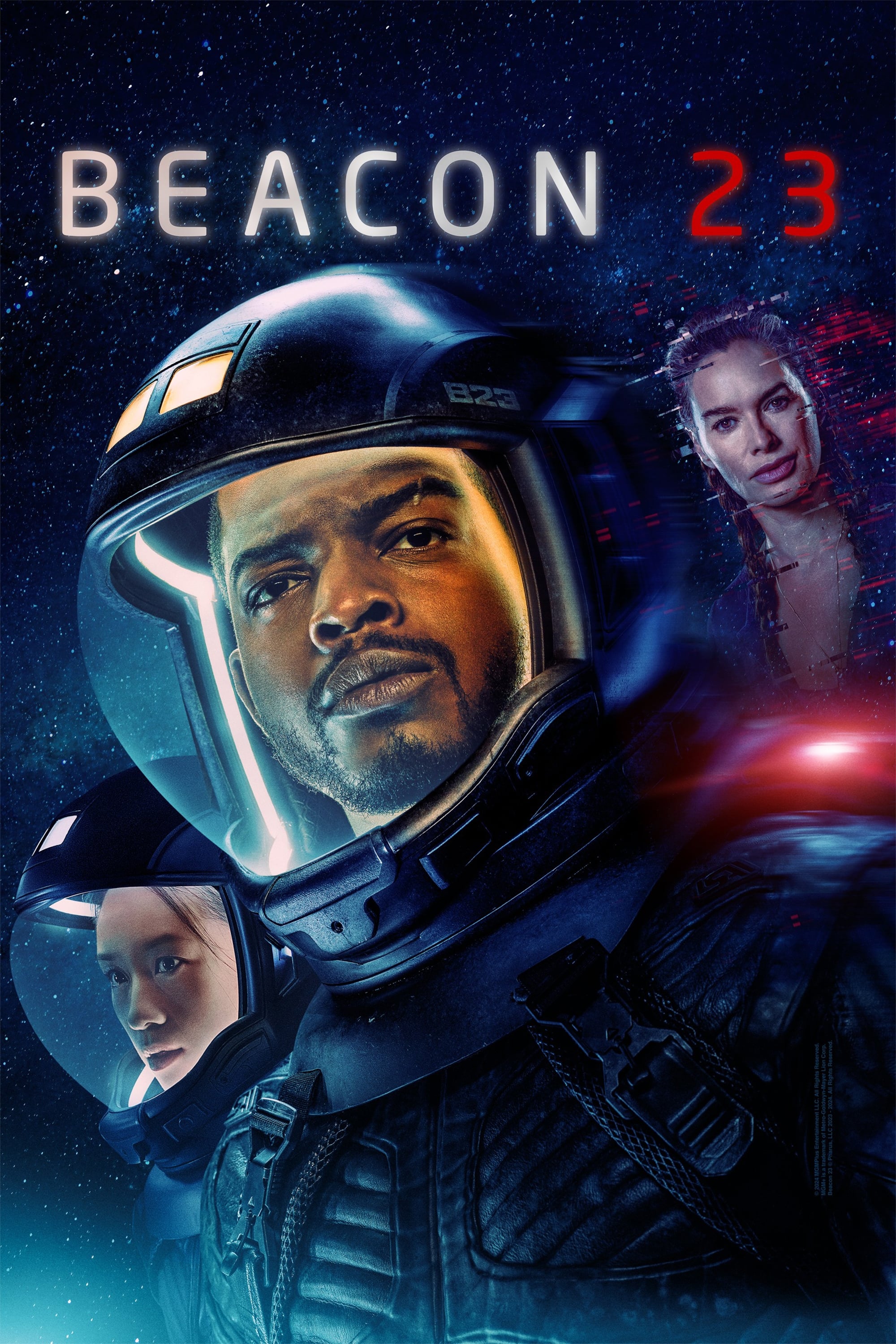
Beacon 23: A Garbled Confusion and Missed Opportunity in Sci-Fi TV
"Beacon 23" stands as a perplexing anomaly, much like the remote lighthouse it portrays in the depths of space. Based on Hugh Howey's novel, this MGM+ series promised an intriguing blend of psychological thriller and space drama. However, as viewers quickly discovered, the show's execution left much to be desired, resulting in a garbled confusion that squandered its potential to carve out a unique niche in the sci-fi landscape.
One of the most jarring aspects of "Beacon 23" was the feeling that viewers were watching three or more different shows masquerading as one. The disjointed narrative threads and tonal shifts made it challenging to follow the story cohesively, often leaving audiences wondering if they had accidentally changed channels mid-episode.
The show's plot revolves around Aster and Halan, two people whose fates become entangled after they find themselves trapped together at the end of the known universe. This setup, brimming with potential for exploring isolation, human connection, and cosmic mysteries, unfortunately crumbled under the weight of its own ambition.
Beacon 23 Season One Trailer. by MGM+.
from @MovieGasm
Critics and viewers alike have noted the show's labyrinthine plot was riddled with holes large enough for a spaceship to fly through. The series struggled to maintain a coherent narrative thread, leaving many puzzled and frustrated. As one viewer on Reddit aptly put it, "It feels a bit like Expanse to me, but still getting me puzzled" [1]. This sentiment echoes throughout the audience.
Perhaps the most significant disappointment lies in the missed opportunities for "Beacon 23" to carve out its niche in the sci-fi TV landscape. The show's unique setting – a lighthouse in space – could have been leveraged to explore themes of isolation, the human psyche under extreme conditions, and the vastness of the universe. Instead, it seems to have lost its way in a nebula of convoluted plotlines and underdeveloped concepts.
The series' shortcomings are particularly frustrating given the talent involved. With stars like Lena Headey and Stephan James at the helm, "Beacon 23" had the potential to shine brightly in the sci-fi firmament. However, even their performances couldn't salvage the show from its narrative black holes.

Beacon 23 Season Two Trailer. by MGM+
from @IGNMovieTrailers
Despite its flaws, "Beacon 23" isn't without its merits. The series does attempt to explore intriguing concepts, such as the mysterious object called The Artefact, which adds an element of intrigue to the story. However, these moments of potential are often overshadowed by the overall confusion of the narrative.
In a surprising turn of events, MGM+ cancelled "Beacon 23" after two seasons, with its final episode airing on May 26, 2024. This cancellation serves as a testament to the show's struggle to find its footing and connect with audiences.
In conclusion, "Beacon 23" serves as a cautionary tale for sci-fi TV adaptations. It reminds us that even with solid source material and a talented cast, the execution of complex sci-fi concepts requires careful navigation. As the show drifts into the void of cancelled series, it leaves viewers pondering what could have been – a missed opportunity that will likely be remembered as a curious blip in the vast universe of science fiction television.
"Beacon 23" stands as a perplexing anomaly, much like the remote lighthouse it portrays in the depths of space. Based on Hugh Howey's novel, this MGM+ series promised an intriguing blend of psychological thriller and space drama. However, as viewers quickly discovered, the show's execution left much to be desired, resulting in a garbled confusion that squandered its potential to carve out a unique niche in the sci-fi landscape.
One of the most jarring aspects of "Beacon 23" was the feeling that viewers were watching three or more different shows masquerading as one. The disjointed narrative threads and tonal shifts made it challenging to follow the story cohesively, often leaving audiences wondering if they had accidentally changed channels mid-episode.
The show's plot revolves around Aster and Halan, two people whose fates become entangled after they find themselves trapped together at the end of the known universe. This setup, brimming with potential for exploring isolation, human connection, and cosmic mysteries, unfortunately crumbled under the weight of its own ambition.
Beacon 23 Season One Trailer. by MGM+.
from @MovieGasm
Critics and viewers alike have noted the show's labyrinthine plot was riddled with holes large enough for a spaceship to fly through. The series struggled to maintain a coherent narrative thread, leaving many puzzled and frustrated. As one viewer on Reddit aptly put it, "It feels a bit like Expanse to me, but still getting me puzzled" [1]. This sentiment echoes throughout the audience.
Perhaps the most significant disappointment lies in the missed opportunities for "Beacon 23" to carve out its niche in the sci-fi TV landscape. The show's unique setting – a lighthouse in space – could have been leveraged to explore themes of isolation, the human psyche under extreme conditions, and the vastness of the universe. Instead, it seems to have lost its way in a nebula of convoluted plotlines and underdeveloped concepts.
The series' shortcomings are particularly frustrating given the talent involved. With stars like Lena Headey and Stephan James at the helm, "Beacon 23" had the potential to shine brightly in the sci-fi firmament. However, even their performances couldn't salvage the show from its narrative black holes.
Beacon 23 Season Two Trailer. by MGM+
from @IGNMovieTrailers
Despite its flaws, "Beacon 23" isn't without its merits. The series does attempt to explore intriguing concepts, such as the mysterious object called The Artefact, which adds an element of intrigue to the story. However, these moments of potential are often overshadowed by the overall confusion of the narrative.
In a surprising turn of events, MGM+ cancelled "Beacon 23" after two seasons, with its final episode airing on May 26, 2024. This cancellation serves as a testament to the show's struggle to find its footing and connect with audiences.
In conclusion, "Beacon 23" serves as a cautionary tale for sci-fi TV adaptations. It reminds us that even with solid source material and a talented cast, the execution of complex sci-fi concepts requires careful navigation. As the show drifts into the void of cancelled series, it leaves viewers pondering what could have been – a missed opportunity that will likely be remembered as a curious blip in the vast universe of science fiction television.
"Beacon 23" stands as a perplexing anomaly, much like the remote lighthouse it portrays in the depths of space. Based on Hugh Howey's novel, this MGM+ series promised an intriguing blend of psychological thriller and space drama. However, as viewers quickly discovered, the show's execution left much to be desired, resulting in a garbled confusion that squandered its potential to carve out a unique niche in the sci-fi landscape.
One of the most jarring aspects of "Beacon 23" was the feeling that viewers were watching three or more different shows masquerading as one. The disjointed narrative threads and tonal shifts made it challenging to follow the story cohesively, often leaving audiences wondering if they had accidentally changed channels mid-episode.
The show's plot revolves around Aster and Halan, two people whose fates become entangled after they find themselves trapped together at the end of the known universe. This setup, brimming with potential for exploring isolation, human connection, and cosmic mysteries, unfortunately crumbled under the weight of its own ambition.
Beacon 23 Season One Trailer. by MGM+.
from @MovieGasm
Critics and viewers alike have noted the show's labyrinthine plot was riddled with holes large enough for a spaceship to fly through. The series struggled to maintain a coherent narrative thread, leaving many puzzled and frustrated. As one viewer on Reddit aptly put it, "It feels a bit like Expanse to me, but still getting me puzzled" [1]. This sentiment echoes throughout the audience.
Perhaps the most significant disappointment lies in the missed opportunities for "Beacon 23" to carve out its niche in the sci-fi TV landscape. The show's unique setting – a lighthouse in space – could have been leveraged to explore themes of isolation, the human psyche under extreme conditions, and the vastness of the universe. Instead, it seems to have lost its way in a nebula of convoluted plotlines and underdeveloped concepts.
The series' shortcomings are particularly frustrating given the talent involved. With stars like Lena Headey and Stephan James at the helm, "Beacon 23" had the potential to shine brightly in the sci-fi firmament. However, even their performances couldn't salvage the show from its narrative black holes.
Beacon 23 Season Two Trailer. by MGM+
from @IGNMovieTrailers
Despite its flaws, "Beacon 23" isn't without its merits. The series does attempt to explore intriguing concepts, such as the mysterious object called The Artefact, which adds an element of intrigue to the story. However, these moments of potential are often overshadowed by the overall confusion of the narrative.
In a surprising turn of events, MGM+ cancelled "Beacon 23" after two seasons, with its final episode airing on May 26, 2024. This cancellation serves as a testament to the show's struggle to find its footing and connect with audiences.
In conclusion, "Beacon 23" serves as a cautionary tale for sci-fi TV adaptations. It reminds us that even with solid source material and a talented cast, the execution of complex sci-fi concepts requires careful navigation. As the show drifts into the void of cancelled series, it leaves viewers pondering what could have been – a missed opportunity that will likely be remembered as a curious blip in the vast universe of science fiction television.
Get the SciNexic Dispatch
Space sci-fi news, reviews, trailers, and release picks—straight to your inbox.
Get the dispatch
Image Gallery
Comments
Please be kind and considerate. Any abusive or offensive comments will be sent out the airlock! Thank You.
Please be kind and considerate. Any abusive or offensive comments will be sent out the airlock! Thank You.
Get the Dispatch
Related Posts
Share on Twitter
Share on Instagram
Banner Image - https://image.tmdb.org/t/p/original/navBdlLzcebb6ANZVg24Szfil9h.jpg - https://www.themoviedb.org/tv/112388-beacon-23/images/posters - Copyright MGM+