


The SciNexic Files
SciNexic Analysis
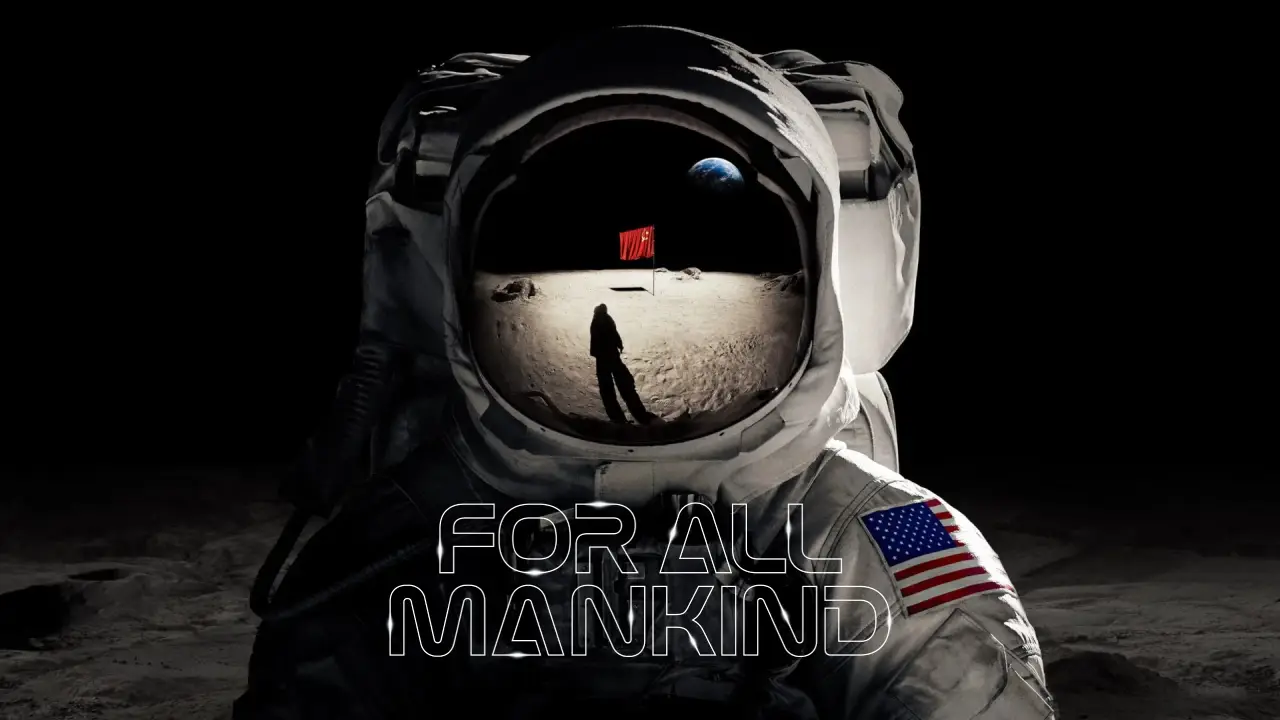
Across five seasons and 50 episodes, Apple TV's For All Mankind has accumulated a 91% Rotten Tomatoes approval rating, spawned a spin-off series, and built a fictional timeline stretching from 1969 to the present day. It has done so without a single phaser, transporter, or warp drive — and in the process, it has quietly become what Star Trek used to be.
From the Bridge of the Enterprise to the Corridors of NASA: Ronald D. Moore's Long Game
The architect of this shift is Ronald D. Moore — the same writer who penned some of Star Trek's finest hours, including "The Inner Light" and "All Good Things..." for The Next Generation, before reimagining Battlestar Galactica as a post-9/11 political thriller that redefined what space sci-fi could accomplish on television.

Ronald D. Moore brought decades of science-fiction experience to For All Mankind, creating a series that values human progress as much as technological achievement. Image credit: Wikimedia
When Moore created For All Mankind in 2019, the premise was deceptively simple: what if the Soviet Union had reached the moon first? From that single divergence, Moore and co-showrunners Matt Wolpert and Ben Nedivi constructed an alternate history that has grown in ambition with every season — lunar colonisation, Martian settlement, asteroid mining, and a geopolitical landscape where space exploration became the Cold War's primary theatre.

While other sci-fi series dream about humanity's future, For All Mankind earned its reputation by showing how we might actually get there. Image credit: Apple
The genius is structural. Each season leaps forward roughly a decade, allowing the series to explore not merely the technology of space travel but its cultural, economic, and political consequences across generations. By season five, premiering in March 2026, the show had reached the 2010s in its timeline — a world recognisable enough to comment on ours, alien enough to remain speculative.
The Numbers That Matter: 91% and a Franchise That Keeps Expanding
Critical consensus is unambiguous. For All Mankind holds a 91% aggregate score on Rotten Tomatoes across its run, with individual seasons never dropping below 87%. Multiple outlets, including MovieWeb, have declared it television's best space exploration series — a title that Star Trek, fractured across multiple streaming shows of inconsistent quality, has struggled to defend.

By rewriting the past, For All Mankind created one of television's most inspiring visions of the future. Image credit:
Apple TV recognised the franchise's value by commissioning Star City, a companion series focusing on the Soviet space programme, which premiered on 29 May 2026. The expansion signals confidence: Apple is not merely concluding a show; it is building a universe.
The sixth and final season, confirmed by Apple in March 2026, will bring the alternate timeline to the present day. Showrunner Ben Nedivi confirmed that ending at six seasons was a creative decision, not an executive mandate — the team determined they could reach their planned destination without a previously discussed seventh season.
Where Star Trek Faltered: Brand Fatigue Versus Brand Focus
Star Trek's recent history offers an instructive contrast. Between 2017 and 2025, Paramount produced Discovery, Picard, Lower Decks, Prodigy, Strange New Worlds, and Section 31 — six concurrent or overlapping shows of wildly varying tone, quality, and audience. The franchise's audience fragmented accordingly. Discovery's final season drew middling ratings. Picard received criticism for its first two seasons before a widely praised farewell. Section 31 arrived as a film to mixed reviews.
Moore's approach with For All Mankind is the opposite: one show, one timeline, one coherent vision maintained across five years. The discipline has paid dividends in critical consistency that the sprawling Star Trek franchise has been unable to match.

As missions grew larger and worlds more distant, Ed Baldwin remained the human heart of an increasingly vast story. Image credit: Apple
This is not a judgement of individual episodes — Strange New Worlds has produced some of the finest Star Trek in a generation. But as a brand proposition, Star Trek's streaming-era strategy of quantity over cohesion has diluted the very authority that made it television's defining space sci-fi franchise for over five decades.
The Moore Theorem: Alternate History as the Genre's Most Powerful Engine
For All Mankind's greatest innovation may be its format. By anchoring speculative fiction in recognisable historical reality — real astronauts, real geopolitics, real technology — Moore found a narrative engine that accomplishes something neither Star Trek nor most traditional sci-fi can: it makes the audience feel the weight of choices not taken.

The show reimagines the second half of the twentieth century as an age defined not by conflict on Earth, but expansion beyond it. Image credit: Apple
When the show depicts a world where the space race never ended, where women walked on the moon in the 1970s, where Mars was colonised by the early 2000s, it is not merely entertaining. It is arguing that our timeline — the one where NASA's funding was slashed, where the Shuttle programme ended without a successor, where human spaceflight retreated to low Earth orbit for decades — represents a failure of imagination as much as policy.

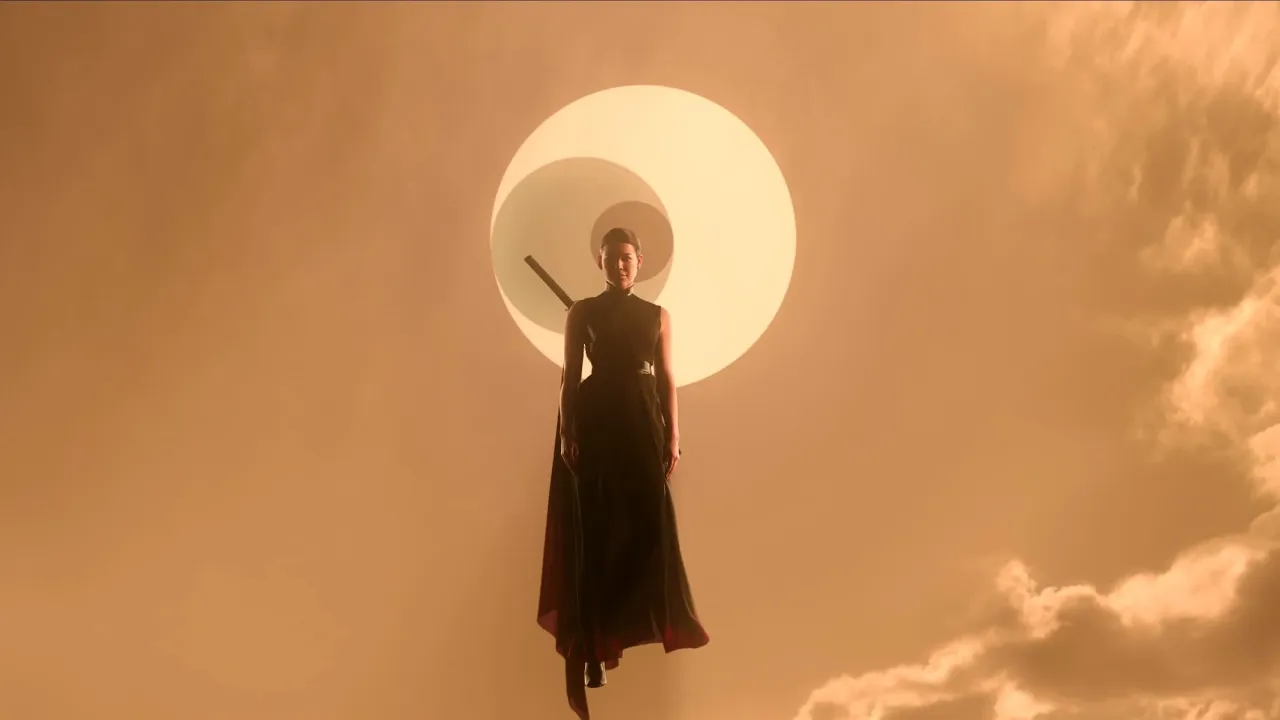
For All Mankind reimagines history through pioneering women like Kelly Baldwin who refuse to accept the limitations imposed by their era. Image credit: Apple
That argument resonates in 2026, as SpaceX, NASA's Artemis programme, and international competitors return human ambition to deep space. For All Mankind anticipated the mood before it arrived.
The Final Season and the Legacy Question
When season six premieres in 2027/28, For All Mankind will conclude a narrative spanning from the Apollo era to the present. If it maintains its quality — and five seasons of evidence suggest it will — it will stand as one of the most ambitious and coherent works of space sci-fi in television history.
The question for Apple TV is what comes next. Star City suggests the appetite for the universe persists. The question for the wider genre is whether other studios will learn the lesson Moore has demonstrated: that space sci-fi television succeeds not through volume but through vision.
Star Trek remains culturally essential. But in 2026, the most consistently excellent space exploration show on television is not set aboard a starship. It is set in an alternate NASA — and it was created by a man who learned everything he knows about space storytelling inside the Federation's corridors.
Stay tuned to Scinexic.com for all the latest space sci-fi streaming news, and exclusive insights from the final frontier.
Further Reading:
Get the SciNexic Dispatch
Space sci-fi news, reviews, trailers, and release picks—straight to your inbox.
Get the dispatch
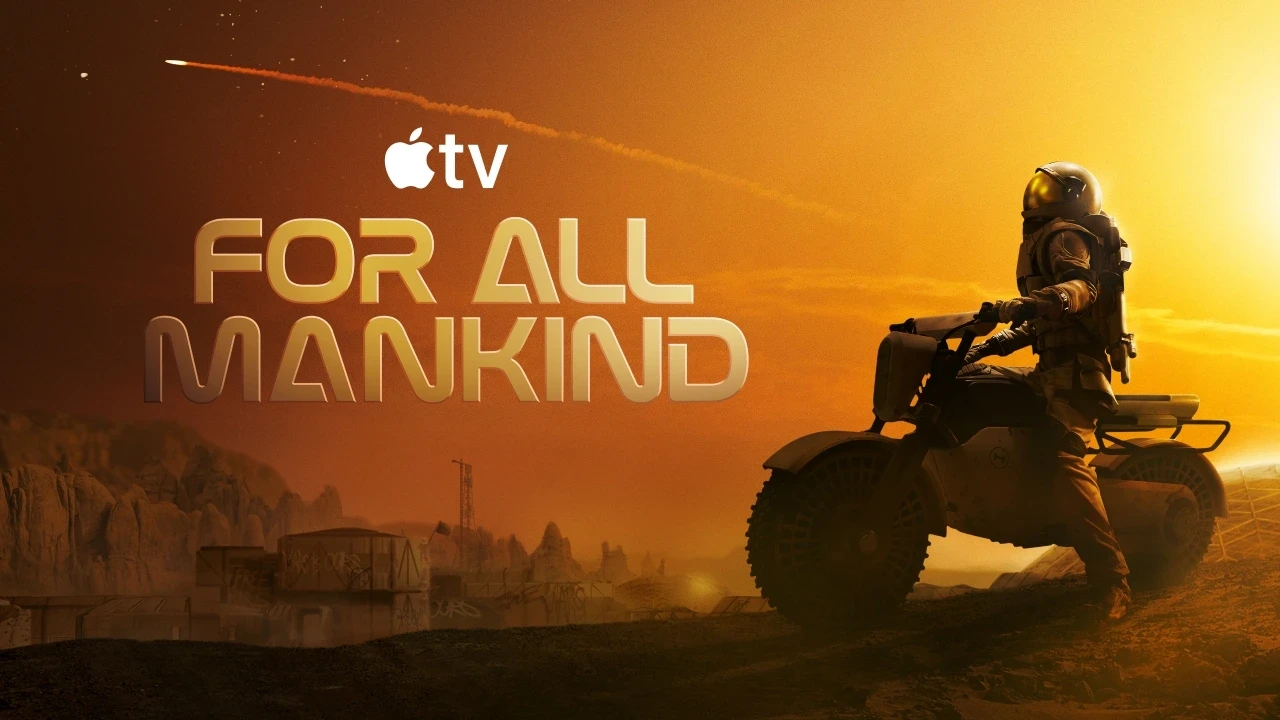
Banner Image - For All Mankind poster and logo - www.themoviedb.org - Copyright: Apple Inc.
Main Article - All images and media are the property of their respective owners.