


The SciNexic Files
The SciNexic Files
The SciNexic Files
Feature
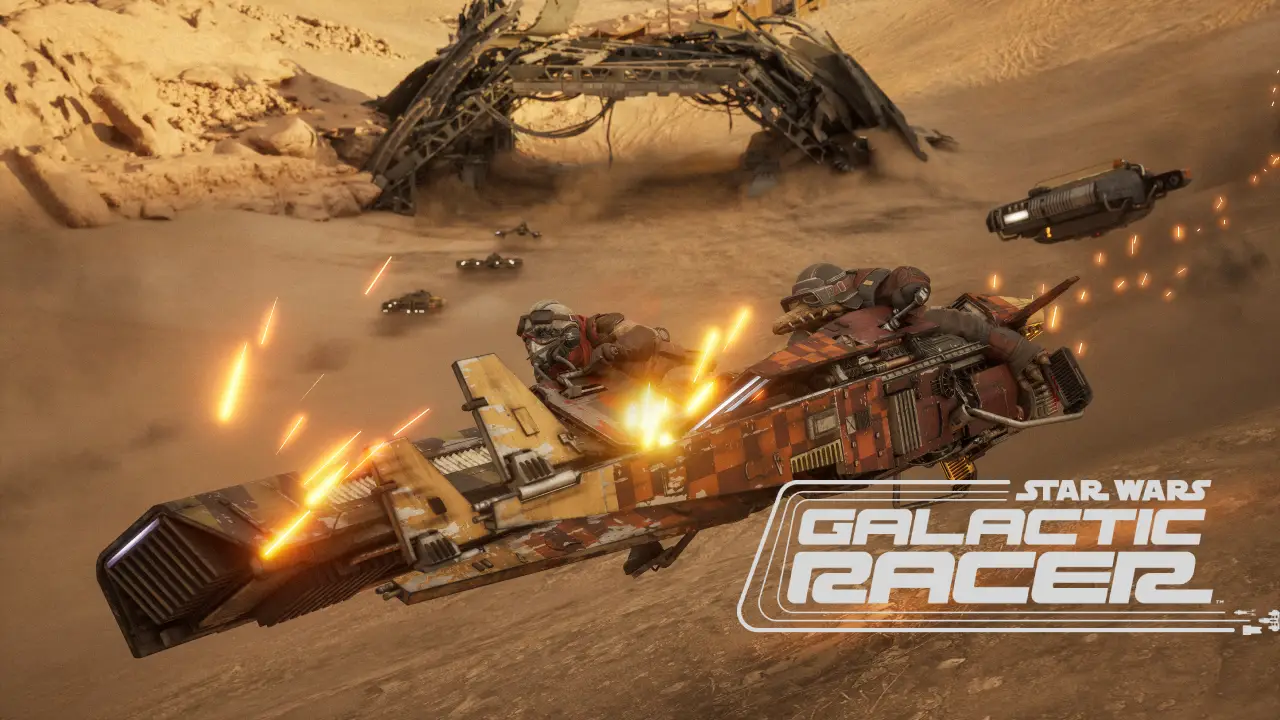
Star Wars: Galactic Racer: How a UK Startup Made the Highest-Rated Sci-Fi Racing Game in a Generation
On Tuesday 6 October 2026, a studio that most space sci-fi fans had never heard of six months ago will release what is already being called the best Star Wars game in more than two decades. Star Wars: Galactic Racer, developed by Fuse Games — a British start-up founded in 2023 by former lead developers from Criterion Games, the studio behind Burnout and Need for Speed: Most Wanted — has earned a Metacritic score of 88 and an OpenCritic rating of 87, making it the highest-rated Star Wars title since Knights of the Old Republic in 2003. For a genre that has spent two decades struggling to translate the kinetic energy of podracing and speeder chases into compelling gameplay, the arrival of Galactic Racer is not merely a product launch. It is a statement that sci-fi racing, long the forgotten sibling of the shooter and RPG, has finally found its modern voice.
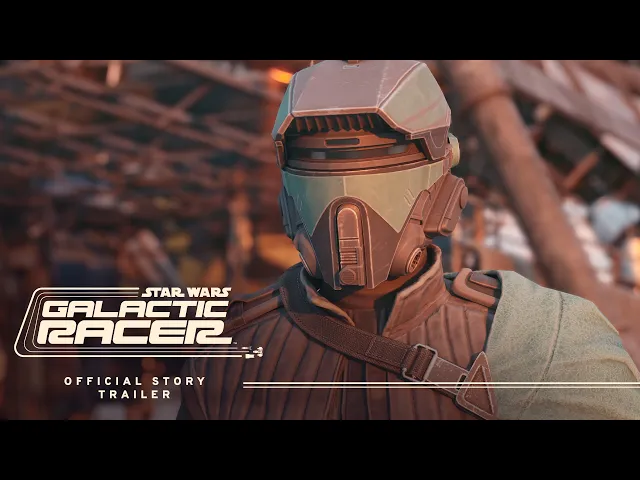
STAR WARS: Galactic Racer - Official Story Trailer. By LucasFilm/Fuse Games. From @StarWarsGalacticRacer
The Burnout Legacy: Why Criterion's DNA Matters
The connection to Criterion is not incidental marketing — it is the entire mechanical thesis of Galactic Racer. When Fuse Games founders Matt Webster and Richard Franke left Electronic Arts in 2022, they took with them a collective two decades of expertise in what the racing genre calls "aggressive arcade" design: high-speed takedowns, risk-reward boost mechanics, and track design that treats destruction as a scoring opportunity rather than a failure state. Eurogamer's review describes the game as "the right kind of Burnout" — a phrase that, for anyone who played Criterion's masterpiece in 2004, carries unmistakable weight.
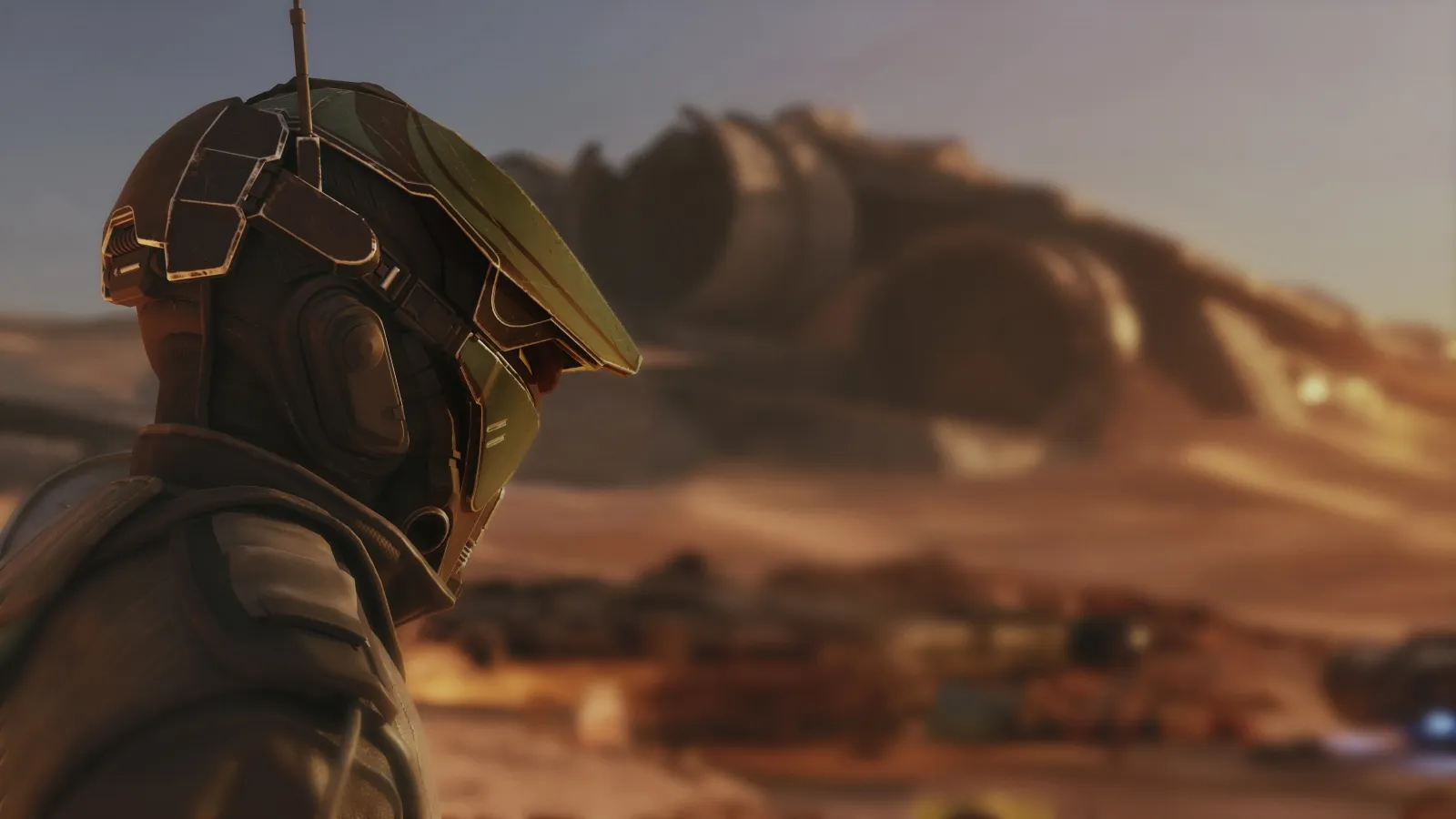
This isn’t nostalgia; it’s a new chapter in Star Wars speed culture, crafted by devs who understand the stakes of legacy. Credit: Starwarsgalacticracer.com
What Fuse has done is apply that arcade-racing philosophy to the Star Wars universe's most underexplored mechanical space. The game is set during the New Republic era, and players pilot landspeeders, speeder bikes, and skim speeders across planets including Tatooine, Jakku, and the volcanic surface of Mustafar. Each vehicle class handles differently — landspeeders favour stability, speeder bikes reward precision, and skim speeders trade durability for raw velocity. The result is a handling model that feels instantly familiar to Burnout veterans but is filtered through the physical logic of Star Wars technology: decrepit, nearly ruined machinery that could explode at any moment.
Ramjets and Afterburners: The Rogue One of Racing Mechanics
Galactic Racer distinguishes itself from every Star Wars racing predecessor — including the fondly remembered Star Wars: Racer (1999) — through a dual-boost system that adds genuine tactical depth to the arcade formula. The "Afterburner" is a standard, controllable boost that drains a heat gauge. The "Ramjet" is far more powerful but carries the risk of catastrophic engine failure if the heat gauge is ignored. IGN's review notes that mastering the Ramjet "separates podium finishers from midfield casualties," creating a risk-reward loop that gives competitive players something to optimise while remaining accessible to casual racers.

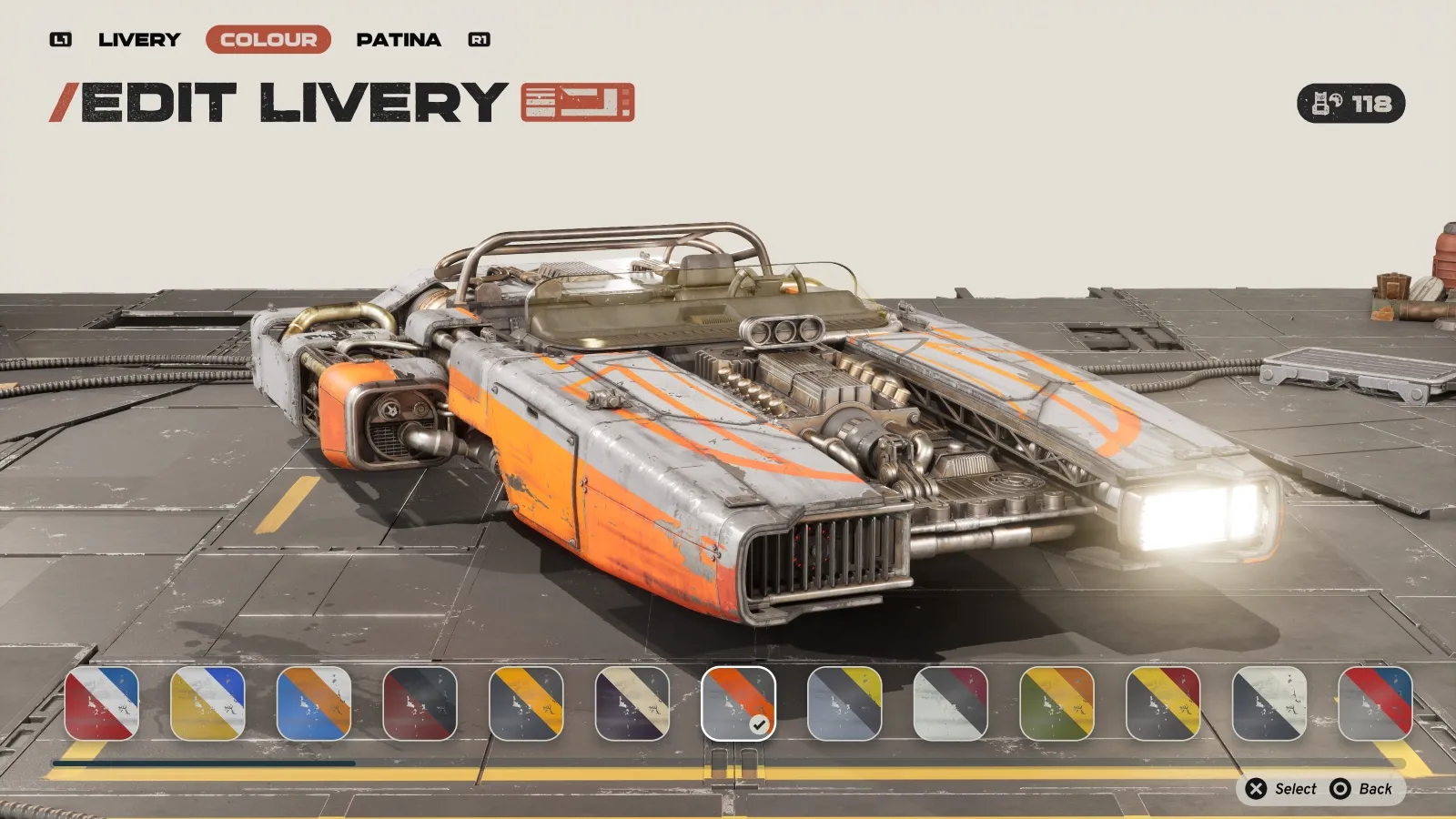
Podracers scream, skim speeders glide, landspeeders punch — each class a different philosophy of survival. Credit: Starwarsgalacticracer.com
The more surprising innovation is the roguelite campaign structure. Rather than a traditional career mode, Galactic Racer organises its single-player experience into branching "Tours" of randomized events. Players must manage vehicle damage and upgrades across a run, and failure to place in key races — or crashing too often — results in the loss of current upgrades, forcing a restart. Polygon's review calls this "the most inventive campaign structure in arcade racing since Burnout Paradise," and the comparison is apt: like Criterion's open-world racer, Galactic Racer treats progression as an experiment rather than a straight line.
The Paddock and the Canon: How Fuse Games Respects the Galaxy
Between races, players explore a third-person "paddock" area where they interact with rivals and crew members. It is a small touch, but one that demonstrates Fuse's understanding of what separates Star Wars from a generic sci-fi skin. The characters are not merely avatars — they are smugglers, former Imperial technicians, and New Republic pilots whose dialogue grounds the racing in the larger galactic conflict. The podracing sequence in The Phantom Menace (1999) gave audiences a glimpse of Star Wars as a lived-in universe where sport and survival intersected. Galactic Racer expands that glimpse into a fully realised ecosystem.
Allies shift, enemies multiply, and revenge becomes a map drawn across the galaxy’s most dangerous circuits. Credit: Starwarsgalacticracer.com
The critical reception has been near-unanimous. TheGamer's analysis confirms the 88 Metacritic makes Galactic Racer the highest-rated Star Wars game in twenty-three years — a statistic that underscores both the quality of Fuse's debut and the relative mediocrity of licensed Star Wars gaming since the LucasArts golden age. Criticisms have been minor: the limited planet selection can make extended sessions feel repetitive, and the absence of split-screen multiplayer is a notable omission for an arcade-style title. But these are footnotes to an otherwise remarkable achievement.
Indie Renaissance: Why Galactic Racer Signals a Shift in Space Sci-Fi Gaming
Star Wars: Galactic Racer arrives at a moment when the space sci-fi gaming landscape is undergoing a structural shift. While AAA franchises like Mass Effect and Starfield continue to dominate budgets and marketing, smaller studios are proving that focused, mechanically precise experiences can compete for audience attention. Fuse Games' success — built on a team of fewer than forty developers, according to industry reporting — demonstrates that the Star Wars licence, when placed in the hands of developers who understand both the source material and their own design heritage, can still produce work that feels essential rather than obligatory.
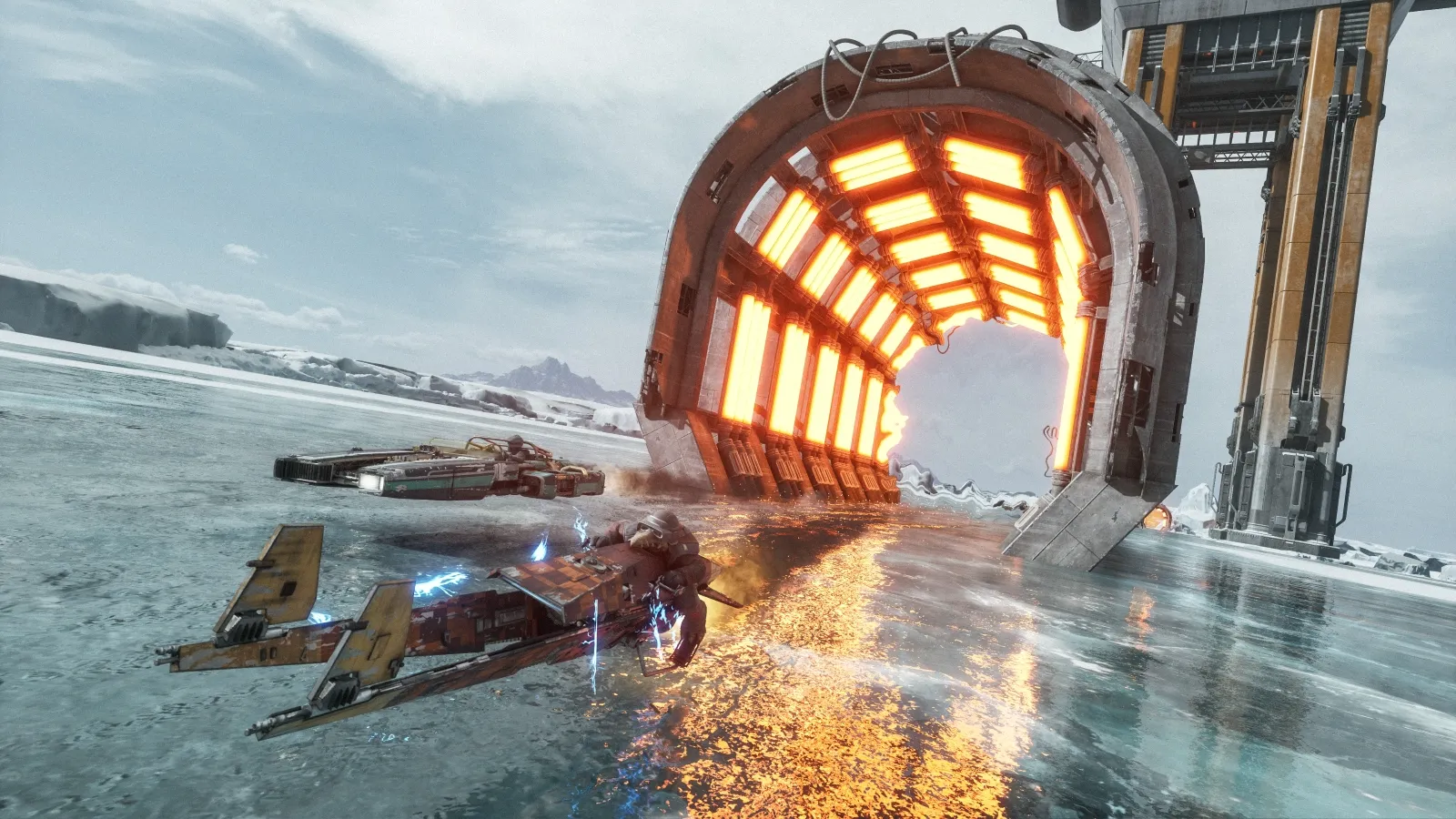
Ride solo through shifting alliances or stake your reputation in PvP grudge matches that remember every victory. Credit: Starwarsgalacticracer.com
The commercial question now is whether Galactic Racer can convert critical acclaim into sales volume. The game launches on PlayStation 5, Xbox Series X|S, and PC via Steam at a price point of approximately £49.99. With no official pre-order data released, the industry will be watching Steam concurrent player counts and physical retail performance closely. If Fuse can replicate Criterion's commercial success alongside its critical reputation, the implications extend beyond Star Wars: they suggest that space sci-fi racing, as a genre, has been underinvested by publishers who assumed audiences only wanted shooters and RPGs.
Green Light or Checkered Flag: Can Fuse Games Convert Critical Praise into Commercial Victory?
A debut this strong creates expectations that are difficult to manage. Fuse Games has already confirmed that post-launch support will include additional planets, vehicle classes, and a ranked multiplayer season structure. The studio's partnership with publisher Secret Mode — itself a relatively new player in the publishing space — will be tested by whether it can deliver content updates at a pace that maintains player engagement without burning out a small development team.
For space sci-fi enthusiasts, the more exciting prospect is what Fuse might do next. Webster and Franke have hinted in interviews that they view Galactic Racer as the foundation for a broader arcade-racing revival, and the Star Wars licence gives them a platform that most indie studios can only dream of. If the game succeeds, it could open doors for original space-racing IPs that do not depend on Lucasfilm approval — projects that take the mechanical lessons of Burnout and apply them to universes that Fuse creates itself.
The final verdict will not be delivered by critics. It will be delivered by players, starting on 6 October, when the starting lights go green across the galaxy.
Further reading:
Star Wars: Galactic Racer Official Site
Shattered.io: Fuse Games CEO Interview
IGN: Star Wars: Galactic Racer Review
SciNexic.com may earn a commission through affiliate links, ensuring continued cosmic content.
On Tuesday 6 October 2026, a studio that most space sci-fi fans had never heard of six months ago will release what is already being called the best Star Wars game in more than two decades. Star Wars: Galactic Racer, developed by Fuse Games — a British start-up founded in 2023 by former lead developers from Criterion Games, the studio behind Burnout and Need for Speed: Most Wanted — has earned a Metacritic score of 88 and an OpenCritic rating of 87, making it the highest-rated Star Wars title since Knights of the Old Republic in 2003. For a genre that has spent two decades struggling to translate the kinetic energy of podracing and speeder chases into compelling gameplay, the arrival of Galactic Racer is not merely a product launch. It is a statement that sci-fi racing, long the forgotten sibling of the shooter and RPG, has finally found its modern voice.
STAR WARS: Galactic Racer - Official Story Trailer. By LucasFilm/Fuse Games. From @StarWarsGalacticRacer
The Burnout Legacy: Why Criterion's DNA Matters
The connection to Criterion is not incidental marketing — it is the entire mechanical thesis of Galactic Racer. When Fuse Games founders Matt Webster and Richard Franke left Electronic Arts in 2022, they took with them a collective two decades of expertise in what the racing genre calls "aggressive arcade" design: high-speed takedowns, risk-reward boost mechanics, and track design that treats destruction as a scoring opportunity rather than a failure state. Eurogamer's review describes the game as "the right kind of Burnout" — a phrase that, for anyone who played Criterion's masterpiece in 2004, carries unmistakable weight.
This isn’t nostalgia; it’s a new chapter in Star Wars speed culture, crafted by devs who understand the stakes of legacy. Credit: Starwarsgalacticracer.com
What Fuse has done is apply that arcade-racing philosophy to the Star Wars universe's most underexplored mechanical space. The game is set during the New Republic era, and players pilot landspeeders, speeder bikes, and skim speeders across planets including Tatooine, Jakku, and the volcanic surface of Mustafar. Each vehicle class handles differently — landspeeders favour stability, speeder bikes reward precision, and skim speeders trade durability for raw velocity. The result is a handling model that feels instantly familiar to Burnout veterans but is filtered through the physical logic of Star Wars technology: decrepit, nearly ruined machinery that could explode at any moment.
Ramjets and Afterburners: The Rogue One of Racing Mechanics
Galactic Racer distinguishes itself from every Star Wars racing predecessor — including the fondly remembered Star Wars: Racer (1999) — through a dual-boost system that adds genuine tactical depth to the arcade formula. The "Afterburner" is a standard, controllable boost that drains a heat gauge. The "Ramjet" is far more powerful but carries the risk of catastrophic engine failure if the heat gauge is ignored. IGN's review notes that mastering the Ramjet "separates podium finishers from midfield casualties," creating a risk-reward loop that gives competitive players something to optimise while remaining accessible to casual racers.
Podracers scream, skim speeders glide, landspeeders punch — each class a different philosophy of survival. Credit: Starwarsgalacticracer.com
The more surprising innovation is the roguelite campaign structure. Rather than a traditional career mode, Galactic Racer organises its single-player experience into branching "Tours" of randomized events. Players must manage vehicle damage and upgrades across a run, and failure to place in key races — or crashing too often — results in the loss of current upgrades, forcing a restart. Polygon's review calls this "the most inventive campaign structure in arcade racing since Burnout Paradise," and the comparison is apt: like Criterion's open-world racer, Galactic Racer treats progression as an experiment rather than a straight line.
The Paddock and the Canon: How Fuse Games Respects the Galaxy
Between races, players explore a third-person "paddock" area where they interact with rivals and crew members. It is a small touch, but one that demonstrates Fuse's understanding of what separates Star Wars from a generic sci-fi skin. The characters are not merely avatars — they are smugglers, former Imperial technicians, and New Republic pilots whose dialogue grounds the racing in the larger galactic conflict. The podracing sequence in The Phantom Menace (1999) gave audiences a glimpse of Star Wars as a lived-in universe where sport and survival intersected. Galactic Racer expands that glimpse into a fully realised ecosystem.
Allies shift, enemies multiply, and revenge becomes a map drawn across the galaxy’s most dangerous circuits. Credit: Starwarsgalacticracer.com
The critical reception has been near-unanimous. TheGamer's analysis confirms the 88 Metacritic makes Galactic Racer the highest-rated Star Wars game in twenty-three years — a statistic that underscores both the quality of Fuse's debut and the relative mediocrity of licensed Star Wars gaming since the LucasArts golden age. Criticisms have been minor: the limited planet selection can make extended sessions feel repetitive, and the absence of split-screen multiplayer is a notable omission for an arcade-style title. But these are footnotes to an otherwise remarkable achievement.
Indie Renaissance: Why Galactic Racer Signals a Shift in Space Sci-Fi Gaming
Star Wars: Galactic Racer arrives at a moment when the space sci-fi gaming landscape is undergoing a structural shift. While AAA franchises like Mass Effect and Starfield continue to dominate budgets and marketing, smaller studios are proving that focused, mechanically precise experiences can compete for audience attention. Fuse Games' success — built on a team of fewer than forty developers, according to industry reporting — demonstrates that the Star Wars licence, when placed in the hands of developers who understand both the source material and their own design heritage, can still produce work that feels essential rather than obligatory.
Ride solo through shifting alliances or stake your reputation in PvP grudge matches that remember every victory. Credit: Starwarsgalacticracer.com
The commercial question now is whether Galactic Racer can convert critical acclaim into sales volume. The game launches on PlayStation 5, Xbox Series X|S, and PC via Steam at a price point of approximately £49.99. With no official pre-order data released, the industry will be watching Steam concurrent player counts and physical retail performance closely. If Fuse can replicate Criterion's commercial success alongside its critical reputation, the implications extend beyond Star Wars: they suggest that space sci-fi racing, as a genre, has been underinvested by publishers who assumed audiences only wanted shooters and RPGs.
Green Light or Checkered Flag: Can Fuse Games Convert Critical Praise into Commercial Victory?
A debut this strong creates expectations that are difficult to manage. Fuse Games has already confirmed that post-launch support will include additional planets, vehicle classes, and a ranked multiplayer season structure. The studio's partnership with publisher Secret Mode — itself a relatively new player in the publishing space — will be tested by whether it can deliver content updates at a pace that maintains player engagement without burning out a small development team.
For space sci-fi enthusiasts, the more exciting prospect is what Fuse might do next. Webster and Franke have hinted in interviews that they view Galactic Racer as the foundation for a broader arcade-racing revival, and the Star Wars licence gives them a platform that most indie studios can only dream of. If the game succeeds, it could open doors for original space-racing IPs that do not depend on Lucasfilm approval — projects that take the mechanical lessons of Burnout and apply them to universes that Fuse creates itself.
The final verdict will not be delivered by critics. It will be delivered by players, starting on 6 October, when the starting lights go green across the galaxy.
Further reading:
Star Wars: Galactic Racer Official Site
Shattered.io: Fuse Games CEO Interview
IGN: Star Wars: Galactic Racer Review
SciNexic.com may earn a commission through affiliate links, ensuring continued cosmic content.
On Tuesday 6 October 2026, a studio that most space sci-fi fans had never heard of six months ago will release what is already being called the best Star Wars game in more than two decades. Star Wars: Galactic Racer, developed by Fuse Games — a British start-up founded in 2023 by former lead developers from Criterion Games, the studio behind Burnout and Need for Speed: Most Wanted — has earned a Metacritic score of 88 and an OpenCritic rating of 87, making it the highest-rated Star Wars title since Knights of the Old Republic in 2003. For a genre that has spent two decades struggling to translate the kinetic energy of podracing and speeder chases into compelling gameplay, the arrival of Galactic Racer is not merely a product launch. It is a statement that sci-fi racing, long the forgotten sibling of the shooter and RPG, has finally found its modern voice.
STAR WARS: Galactic Racer - Official Story Trailer. By LucasFilm/Fuse Games. From @StarWarsGalacticRacer
The Burnout Legacy: Why Criterion's DNA Matters
The connection to Criterion is not incidental marketing — it is the entire mechanical thesis of Galactic Racer. When Fuse Games founders Matt Webster and Richard Franke left Electronic Arts in 2022, they took with them a collective two decades of expertise in what the racing genre calls "aggressive arcade" design: high-speed takedowns, risk-reward boost mechanics, and track design that treats destruction as a scoring opportunity rather than a failure state. Eurogamer's review describes the game as "the right kind of Burnout" — a phrase that, for anyone who played Criterion's masterpiece in 2004, carries unmistakable weight.
This isn’t nostalgia; it’s a new chapter in Star Wars speed culture, crafted by devs who understand the stakes of legacy. Credit: Starwarsgalacticracer.com
What Fuse has done is apply that arcade-racing philosophy to the Star Wars universe's most underexplored mechanical space. The game is set during the New Republic era, and players pilot landspeeders, speeder bikes, and skim speeders across planets including Tatooine, Jakku, and the volcanic surface of Mustafar. Each vehicle class handles differently — landspeeders favour stability, speeder bikes reward precision, and skim speeders trade durability for raw velocity. The result is a handling model that feels instantly familiar to Burnout veterans but is filtered through the physical logic of Star Wars technology: decrepit, nearly ruined machinery that could explode at any moment.
Ramjets and Afterburners: The Rogue One of Racing Mechanics
Galactic Racer distinguishes itself from every Star Wars racing predecessor — including the fondly remembered Star Wars: Racer (1999) — through a dual-boost system that adds genuine tactical depth to the arcade formula. The "Afterburner" is a standard, controllable boost that drains a heat gauge. The "Ramjet" is far more powerful but carries the risk of catastrophic engine failure if the heat gauge is ignored. IGN's review notes that mastering the Ramjet "separates podium finishers from midfield casualties," creating a risk-reward loop that gives competitive players something to optimise while remaining accessible to casual racers.
Podracers scream, skim speeders glide, landspeeders punch — each class a different philosophy of survival. Credit: Starwarsgalacticracer.com
The more surprising innovation is the roguelite campaign structure. Rather than a traditional career mode, Galactic Racer organises its single-player experience into branching "Tours" of randomized events. Players must manage vehicle damage and upgrades across a run, and failure to place in key races — or crashing too often — results in the loss of current upgrades, forcing a restart. Polygon's review calls this "the most inventive campaign structure in arcade racing since Burnout Paradise," and the comparison is apt: like Criterion's open-world racer, Galactic Racer treats progression as an experiment rather than a straight line.
The Paddock and the Canon: How Fuse Games Respects the Galaxy
Between races, players explore a third-person "paddock" area where they interact with rivals and crew members. It is a small touch, but one that demonstrates Fuse's understanding of what separates Star Wars from a generic sci-fi skin. The characters are not merely avatars — they are smugglers, former Imperial technicians, and New Republic pilots whose dialogue grounds the racing in the larger galactic conflict. The podracing sequence in The Phantom Menace (1999) gave audiences a glimpse of Star Wars as a lived-in universe where sport and survival intersected. Galactic Racer expands that glimpse into a fully realised ecosystem.
Allies shift, enemies multiply, and revenge becomes a map drawn across the galaxy’s most dangerous circuits. Credit: Starwarsgalacticracer.com
The critical reception has been near-unanimous. TheGamer's analysis confirms the 88 Metacritic makes Galactic Racer the highest-rated Star Wars game in twenty-three years — a statistic that underscores both the quality of Fuse's debut and the relative mediocrity of licensed Star Wars gaming since the LucasArts golden age. Criticisms have been minor: the limited planet selection can make extended sessions feel repetitive, and the absence of split-screen multiplayer is a notable omission for an arcade-style title. But these are footnotes to an otherwise remarkable achievement.
Indie Renaissance: Why Galactic Racer Signals a Shift in Space Sci-Fi Gaming
Star Wars: Galactic Racer arrives at a moment when the space sci-fi gaming landscape is undergoing a structural shift. While AAA franchises like Mass Effect and Starfield continue to dominate budgets and marketing, smaller studios are proving that focused, mechanically precise experiences can compete for audience attention. Fuse Games' success — built on a team of fewer than forty developers, according to industry reporting — demonstrates that the Star Wars licence, when placed in the hands of developers who understand both the source material and their own design heritage, can still produce work that feels essential rather than obligatory.
Ride solo through shifting alliances or stake your reputation in PvP grudge matches that remember every victory. Credit: Starwarsgalacticracer.com
The commercial question now is whether Galactic Racer can convert critical acclaim into sales volume. The game launches on PlayStation 5, Xbox Series X|S, and PC via Steam at a price point of approximately £49.99. With no official pre-order data released, the industry will be watching Steam concurrent player counts and physical retail performance closely. If Fuse can replicate Criterion's commercial success alongside its critical reputation, the implications extend beyond Star Wars: they suggest that space sci-fi racing, as a genre, has been underinvested by publishers who assumed audiences only wanted shooters and RPGs.
Green Light or Checkered Flag: Can Fuse Games Convert Critical Praise into Commercial Victory?
A debut this strong creates expectations that are difficult to manage. Fuse Games has already confirmed that post-launch support will include additional planets, vehicle classes, and a ranked multiplayer season structure. The studio's partnership with publisher Secret Mode — itself a relatively new player in the publishing space — will be tested by whether it can deliver content updates at a pace that maintains player engagement without burning out a small development team.
For space sci-fi enthusiasts, the more exciting prospect is what Fuse might do next. Webster and Franke have hinted in interviews that they view Galactic Racer as the foundation for a broader arcade-racing revival, and the Star Wars licence gives them a platform that most indie studios can only dream of. If the game succeeds, it could open doors for original space-racing IPs that do not depend on Lucasfilm approval — projects that take the mechanical lessons of Burnout and apply them to universes that Fuse creates itself.
The final verdict will not be delivered by critics. It will be delivered by players, starting on 6 October, when the starting lights go green across the galaxy.
Further reading:
Star Wars: Galactic Racer Official Site
Shattered.io: Fuse Games CEO Interview
IGN: Star Wars: Galactic Racer Review
SciNexic.com may earn a commission through affiliate links, ensuring continued cosmic content.
Get the SciNexic Dispatch
Space sci-fi news, reviews, trailers, and release picks—straight to your inbox.
Get the dispatch
Image Gallery
Comments
Please be kind and considerate. Any abusive or offensive comments will be sent out the airlock! Thank You.
Please be kind and considerate. Any abusive or offensive comments will be sent out the airlock! Thank You.
Get the Dispatch
Related Posts
Share on Twitter
Share on Instagram
Banner Image - Star Wars: Galactic Racer game scene and logo - https://starwarsgalacticracer.com/ - Copuright: LucasFilm/Fuse
Main Article - All images and media are the property of their respective owners.