


The SciNexic Files
Franchise Report

Star Trek at Sixty: Inside Roddenberry Entertainment's Plan to Save Space Sci-Fi's Most Important Franchise from Its Own Success
No New Series in Production, No Film in Cinemas, and a Corporate Merger Reshuffling Everything — So Why Is the Roddenberry Estate Smiling?
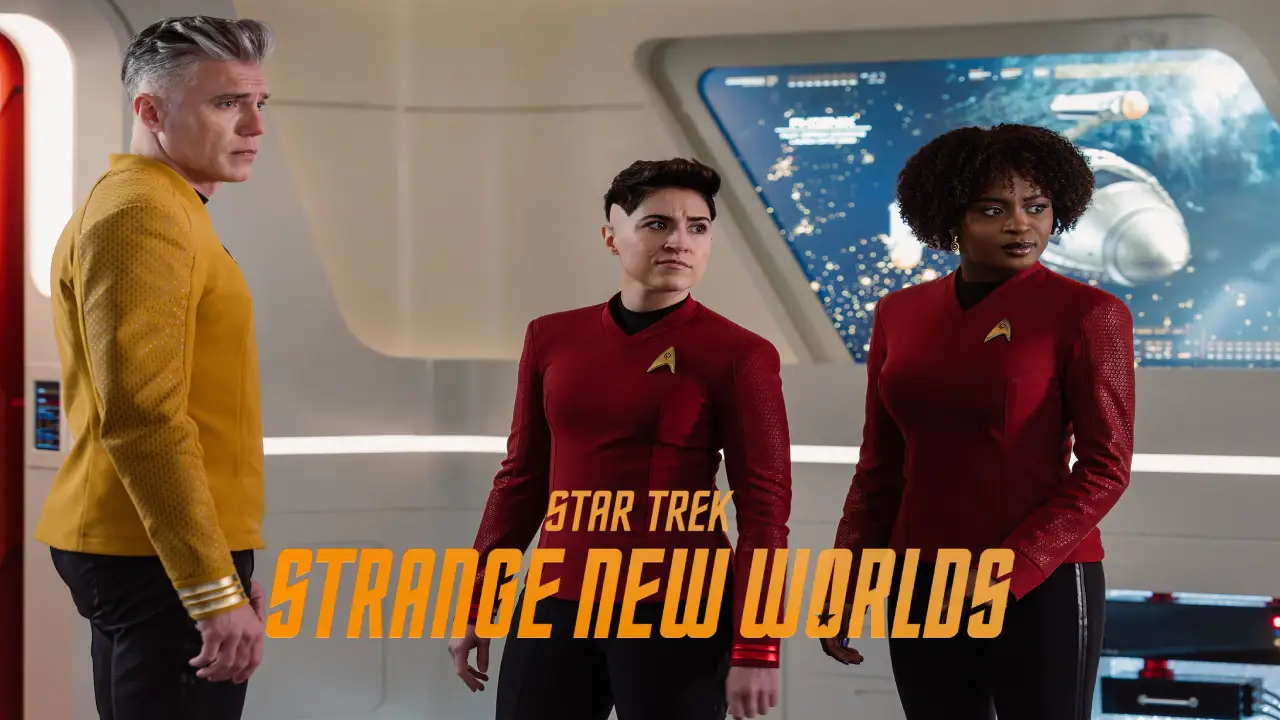
Zero. That is the number of Star Trek television series currently in production for the first time since 2017, when Discovery launched and ignited a modern renaissance that would eventually deliver five concurrent shows across streaming and linear television. Strange New Worlds will conclude after its fifth season in 2027. Starfleet Academy wraps after its second. And as of November 2026, the franchise that pioneered the very concept of science fiction television sits in an unfamiliar silence.

Not every expansion of the Star Trek universe has generated the enthusiasm executives hoped for, highlighting the risks of stretching even the strongest intellectual properties. Credit: TMDB
Trevor Roth, COO of Roddenberry Entertainment, does not appear concerned. Speaking at Rome's MIA Market in October and in a subsequent ScreenRant interview, Roth described the franchise's current position as a "crossroads" — but one he frames as strategic rather than existential.
"Star Trek is gonna be around,"
he stated plainly, calling the property a "jewel" within the new corporate ecosystem created by the Skydance-Paramount-Warner Bros merger.
The Merger Changes Everything — and Nothing
The corporate mathematics are staggering. Star Trek now shares a parent company with DC, Game of Thrones, Harry Potter, and the entire Warner Bros theatrical operation. In one transaction, the franchise moved from being the crown jewel of a struggling streaming service to being one premium brand among many in a portfolio worth over £80 billion in combined intellectual property.
For Star Trek, this is simultaneously liberating and dangerous. Liberating because the new ownership has deeper pockets, broader distribution, and a proven willingness to invest in tentpole franchises. Dangerous because Star Trek must now compete for attention and resources against properties with vastly larger commercial footprints. Harry Potter's Wizarding World generates approximately £800 million annually in theme park revenue alone. Star Trek's entire consumer products division has never approached those figures.
Roth's response to this competitive pressure is notably philosophical. Roddenberry Entertainment possesses "very specific designs" for the franchise's next incarnation, he revealed, though details remain under wraps. The strategic vision, as articulated across multiple interviews, centres on capturing the "classic" feel of Star Trek whilst adapting to modern consumption patterns — a balancing act the franchise has attempted, with mixed results, throughout its sixty-year history.
The Theatrical Gambit
The most concrete element of Star Trek's near-term strategy is the development of a new feature film under the Paramount Skydance banner. This represents the franchise's first theatrical release in over a decade — Star Trek Beyond arrived in 2016 and earned £343 million worldwide, a figure that was considered underperforming by studio standards despite critical acclaim.

Nearly a decade later, Star Trek Beyond remains one of the franchise's clearest reminders that optimism and adventure still resonate with audiences. Credit: TMDB
The theatrical pivot matters because it signals a shift in how the new ownership views Star Trek's commercial potential. Under the Paramount+ era, the franchise was treated primarily as a subscription driver — valuable for its ability to attract and retain streaming customers rather than for its direct revenue generation. A theatrical release demands a fundamentally different calculus: Star Trek must now prove it can compete at the box office against Marvel, DC, and the very Dune franchise that has borrowed liberally from its aesthetic vocabulary for half a century.
What Sixty Years of Reinvention Actually Teaches
Star Trek has survived cancellation (1969), revival through cinema (1979), reinvention through The Next Generation (1987), oversaturation and commercial decline (2001–2005), and a polarising reboot trilogy (2009–2016). Each transition required the franchise to fundamentally reconsider what Star Trek means to its audience.
The current transition is arguably the most complex. Previous reinventions occurred within relatively stable corporate structures. This one is happening simultaneously with a merger that has reshuffled every aspect of the franchise's business model — from streaming distribution to merchandising partnerships to theme park rights.

Every Star Trek revival eventually returns to the lessons of The Wrath of Khan: strong characters, meaningful stakes and timeless themes. Credit: TMDB
Roth's framing suggests Roddenberry Entertainment views this complexity as an opportunity rather than a threat. The estate is actively seeking new partnerships to develop science fiction and fantasy projects outside the Star Trek universe, potentially diversifying its revenue base beyond a single franchise for the first time.
The Boldest Bet Is Patience
The most revealing aspect of Roth's public statements is what he does not say. There are no breathless announcements about showrunners, no casting reveals, no premiere dates. In an industry addicted to the perpetual content cycle, Roddenberry Entertainment appears to be making a deliberate choice: take the time to get it right, rather than rushing to fill the gap left by the current production slate's conclusion.
Whether this patience is strategic discipline or corporate inertia remains to be seen. But Star Trek's history suggests that its best eras have always followed periods of apparent dormancy — the gap between the original series and The Motion Picture, the pause between Enterprise and the 2009 reboot. Silence, for this franchise, has historically preceded reinvention rather than extinction.
The question is not whether Star Trek will return. It is whether its next incarnation will honour the thing that made it matter in the first place: the radical proposition that the future is worth reaching for, even when the present feels uncertain.
Stay onboard Scinexic.com for all the latest space sci-fi news, and exclusive insights from the final frontier.
Further reading:
No New Series in Production, No Film in Cinemas, and a Corporate Merger Reshuffling Everything — So Why Is the Roddenberry Estate Smiling?
Zero. That is the number of Star Trek television series currently in production for the first time since 2017, when Discovery launched and ignited a modern renaissance that would eventually deliver five concurrent shows across streaming and linear television. Strange New Worlds will conclude after its fifth season in 2027. Starfleet Academy wraps after its second. And as of November 2026, the franchise that pioneered the very concept of science fiction television sits in an unfamiliar silence.
Not every expansion of the Star Trek universe has generated the enthusiasm executives hoped for, highlighting the risks of stretching even the strongest intellectual properties. Credit: TMDB
Trevor Roth, COO of Roddenberry Entertainment, does not appear concerned. Speaking at Rome's MIA Market in October and in a subsequent ScreenRant interview, Roth described the franchise's current position as a "crossroads" — but one he frames as strategic rather than existential.
"Star Trek is gonna be around,"
he stated plainly, calling the property a "jewel" within the new corporate ecosystem created by the Skydance-Paramount-Warner Bros merger.
The Merger Changes Everything — and Nothing
The corporate mathematics are staggering. Star Trek now shares a parent company with DC, Game of Thrones, Harry Potter, and the entire Warner Bros theatrical operation. In one transaction, the franchise moved from being the crown jewel of a struggling streaming service to being one premium brand among many in a portfolio worth over £80 billion in combined intellectual property.
For Star Trek, this is simultaneously liberating and dangerous. Liberating because the new ownership has deeper pockets, broader distribution, and a proven willingness to invest in tentpole franchises. Dangerous because Star Trek must now compete for attention and resources against properties with vastly larger commercial footprints. Harry Potter's Wizarding World generates approximately £800 million annually in theme park revenue alone. Star Trek's entire consumer products division has never approached those figures.
Roth's response to this competitive pressure is notably philosophical. Roddenberry Entertainment possesses "very specific designs" for the franchise's next incarnation, he revealed, though details remain under wraps. The strategic vision, as articulated across multiple interviews, centres on capturing the "classic" feel of Star Trek whilst adapting to modern consumption patterns — a balancing act the franchise has attempted, with mixed results, throughout its sixty-year history.
The Theatrical Gambit
The most concrete element of Star Trek's near-term strategy is the development of a new feature film under the Paramount Skydance banner. This represents the franchise's first theatrical release in over a decade — Star Trek Beyond arrived in 2016 and earned £343 million worldwide, a figure that was considered underperforming by studio standards despite critical acclaim.
Nearly a decade later, Star Trek Beyond remains one of the franchise's clearest reminders that optimism and adventure still resonate with audiences. Credit: TMDB
The theatrical pivot matters because it signals a shift in how the new ownership views Star Trek's commercial potential. Under the Paramount+ era, the franchise was treated primarily as a subscription driver — valuable for its ability to attract and retain streaming customers rather than for its direct revenue generation. A theatrical release demands a fundamentally different calculus: Star Trek must now prove it can compete at the box office against Marvel, DC, and the very Dune franchise that has borrowed liberally from its aesthetic vocabulary for half a century.
What Sixty Years of Reinvention Actually Teaches
Star Trek has survived cancellation (1969), revival through cinema (1979), reinvention through The Next Generation (1987), oversaturation and commercial decline (2001–2005), and a polarising reboot trilogy (2009–2016). Each transition required the franchise to fundamentally reconsider what Star Trek means to its audience.
The current transition is arguably the most complex. Previous reinventions occurred within relatively stable corporate structures. This one is happening simultaneously with a merger that has reshuffled every aspect of the franchise's business model — from streaming distribution to merchandising partnerships to theme park rights.
Every Star Trek revival eventually returns to the lessons of The Wrath of Khan: strong characters, meaningful stakes and timeless themes. Credit: TMDB
Roth's framing suggests Roddenberry Entertainment views this complexity as an opportunity rather than a threat. The estate is actively seeking new partnerships to develop science fiction and fantasy projects outside the Star Trek universe, potentially diversifying its revenue base beyond a single franchise for the first time.
The Boldest Bet Is Patience
The most revealing aspect of Roth's public statements is what he does not say. There are no breathless announcements about showrunners, no casting reveals, no premiere dates. In an industry addicted to the perpetual content cycle, Roddenberry Entertainment appears to be making a deliberate choice: take the time to get it right, rather than rushing to fill the gap left by the current production slate's conclusion.
Whether this patience is strategic discipline or corporate inertia remains to be seen. But Star Trek's history suggests that its best eras have always followed periods of apparent dormancy — the gap between the original series and The Motion Picture, the pause between Enterprise and the 2009 reboot. Silence, for this franchise, has historically preceded reinvention rather than extinction.
The question is not whether Star Trek will return. It is whether its next incarnation will honour the thing that made it matter in the first place: the radical proposition that the future is worth reaching for, even when the present feels uncertain.
Stay onboard Scinexic.com for all the latest space sci-fi news, and exclusive insights from the final frontier.
Further reading:
Get the SciNexic Dispatch
Space sci-fi news, reviews, trailers, and release picks—straight to your inbox.
Get the dispatch
Image Gallery
Get the Dispatch
Related Posts
Related Posts
Share on Instagram
Banner Image - Star Trek graphic - Scinexic.com - IP copyright: Paramount/Skydance et al
Main Article - All images and media are the property of their respective owners.