


The SciNexic Files
The SciNexic Files
The SciNexic Files
Report

More Bots are Getting Hired - Meet Your Future Co-workers
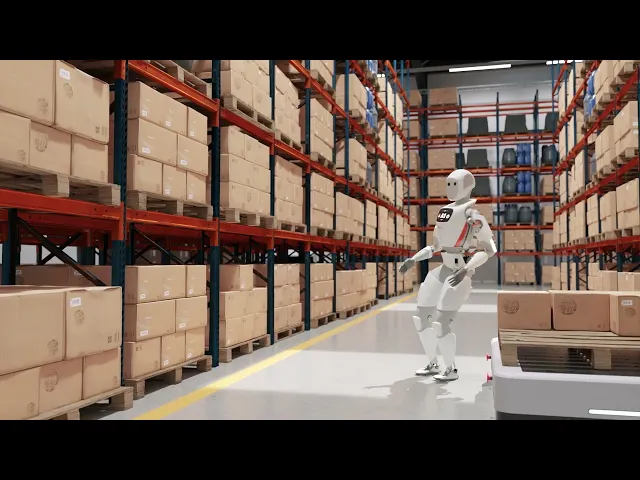
According to an article from New Atlas, humanoid robots are making their way into the workforce, with Apptronik's Apollo bot assisting skilled human workers in building cars for Mercedes-Benz. The global humanoid industrial robot market is predicted to reach $38 billion by 2035, particularly for tasks that are deemed dangerous, dirty, or dull. Mercedes-Benz aims to relieve workers of monotonous and physically demanding tasks through the use of robotics. Apollo, developed by Apptronik, is a modular humanoid designed to work alongside humans while undertaking physically demanding tasks.
The pilot program at a Mercedes manufacturing facility in Hungary will explore various use cases for Apollo, including delivering components and inspecting parts. The duration and number of Apollo humanoids involved in the pilot have not been disclosed.
Mercedes puts Apollo humanoid to work on the production line
[New Atlas]
According to an article from New Atlas, humanoid robots are making their way into the workforce, with Apptronik's Apollo bot assisting skilled human workers in building cars for Mercedes-Benz. The global humanoid industrial robot market is predicted to reach $38 billion by 2035, particularly for tasks that are deemed dangerous, dirty, or dull. Mercedes-Benz aims to relieve workers of monotonous and physically demanding tasks through the use of robotics. Apollo, developed by Apptronik, is a modular humanoid designed to work alongside humans while undertaking physically demanding tasks.
The pilot program at a Mercedes manufacturing facility in Hungary will explore various use cases for Apollo, including delivering components and inspecting parts. The duration and number of Apollo humanoids involved in the pilot have not been disclosed.
Mercedes puts Apollo humanoid to work on the production line
[New Atlas]
According to an article from New Atlas, humanoid robots are making their way into the workforce, with Apptronik's Apollo bot assisting skilled human workers in building cars for Mercedes-Benz. The global humanoid industrial robot market is predicted to reach $38 billion by 2035, particularly for tasks that are deemed dangerous, dirty, or dull. Mercedes-Benz aims to relieve workers of monotonous and physically demanding tasks through the use of robotics. Apollo, developed by Apptronik, is a modular humanoid designed to work alongside humans while undertaking physically demanding tasks.
The pilot program at a Mercedes manufacturing facility in Hungary will explore various use cases for Apollo, including delivering components and inspecting parts. The duration and number of Apollo humanoids involved in the pilot have not been disclosed.
Mercedes puts Apollo humanoid to work on the production line
[New Atlas]
Get the SciNexic Dispatch
Space sci-fi news, reviews, trailers, and release picks—straight to your inbox.
Get the dispatch
Image Gallery
Comments
Please be kind and considerate. Any abusive or offensive comments will be sent out the airlock! Thank You.
Please be kind and considerate. Any abusive or offensive comments will be sent out the airlock! Thank You.
Get the Dispatch
Related Posts
Share on Twitter
Share on Instagram