



The SciNexic Files
The SciNexic Files
The SciNexic Files
Feature

Dune: Part Three Faces Avengers: Doomsday in the Ultimate 'Dunesday' Box Office Showdown — What It Means for Space Sci-Fi's Commercial Future
What happens when the most intellectually ambitious space sci-fi franchise in modern cinema opens against the most commercially dominant superhero property on the same December day? The industry has already coined a term for it: "Dunesday." On 18 December 2026, Denis Villeneuve's Dune: Part Three — the concluding chapter of a trilogy that has elevated space opera from cult niche to prestige blockbuster — will share its theatrical debut with Marvel's Avengers: Doomsday. The scheduling collision is not an accident. It is a statement of confidence from Warner Bros., and a stress test for whether space sci-fi can command the cultural centre stage alongside the most reliable box office formula Hollywood has ever engineered.
Dune: Part Three | Official Trailer. By Warner Bros/Legendary. From @WarnerBros
With domestic pre-sales for Dune: Part Three already exceeding £7.7 million ($10 million) and opening weekend projections surpassing £77 million ($100 million), the question is no longer whether Villeneuve's vision deserves a blockbuster audience. It is whether the audience is ready to treat space sci-fi as event cinema on the same tier as the MCU.
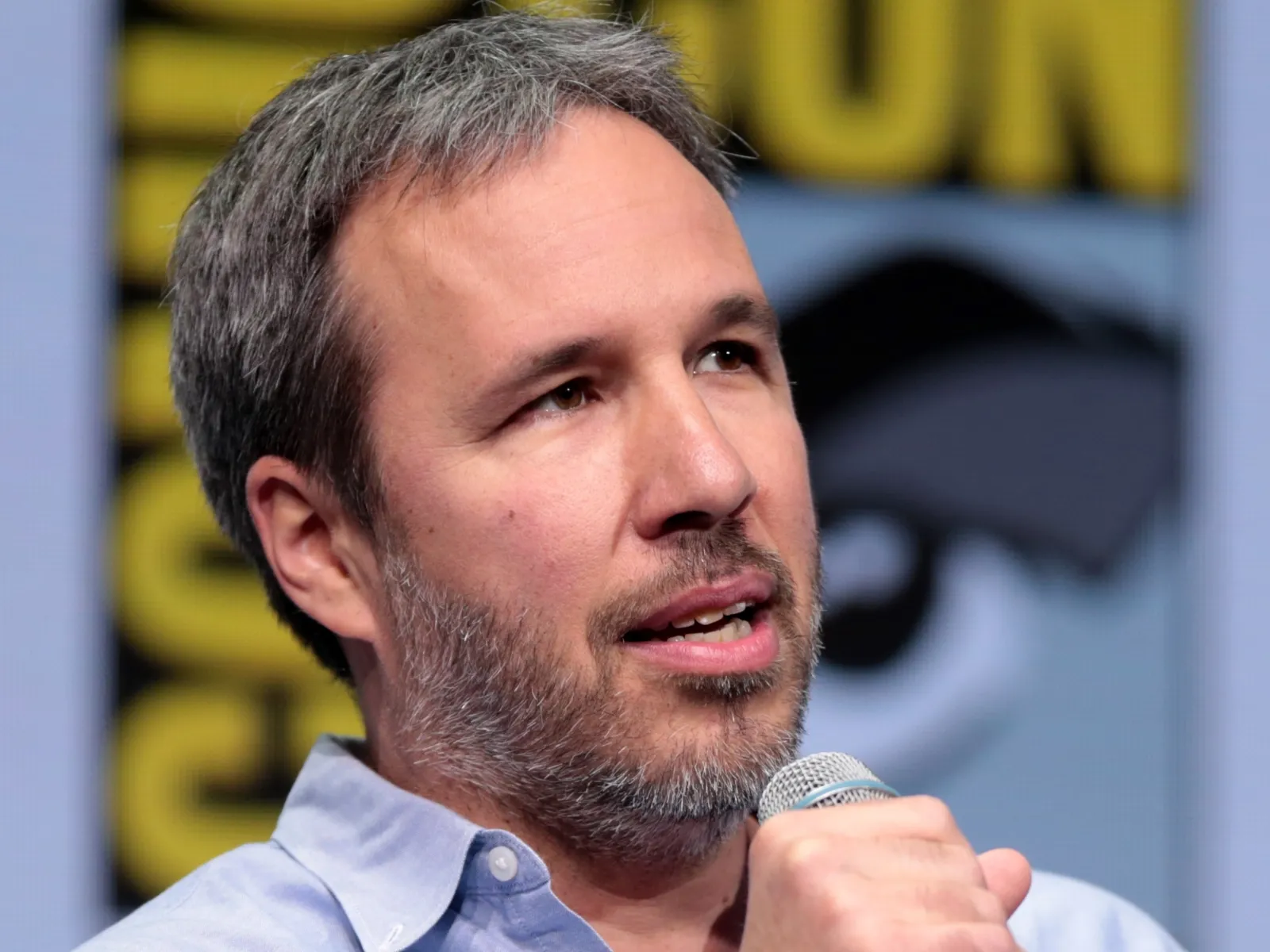
Villeneuve’s vision sharpens here: a mythic endgame where political prophecy collides with blockbuster spectacle. Credit: Wikimedia
The Spice Must Flow: Why a $100 Million Opening Would Rewrite the Rules
To understand the stakes, consider where this franchise began. Dune (2021) opened to a modest £31 million ($41 million) domestic weekend — respectable for a pandemic-era release of a notoriously "unfilmable" novel, but hardly a phenomenon. Dune: Part Two (2024) nearly doubled that with an £63 million ($82.5 million) domestic debut, ultimately grossing £559 million ($714.8 million) worldwide against a £150 million ($190 million) budget. The trajectory is unambiguous: each instalment has expanded the audience while maintaining the series' deliberate pacing, political complexity, and refusal to condescend.

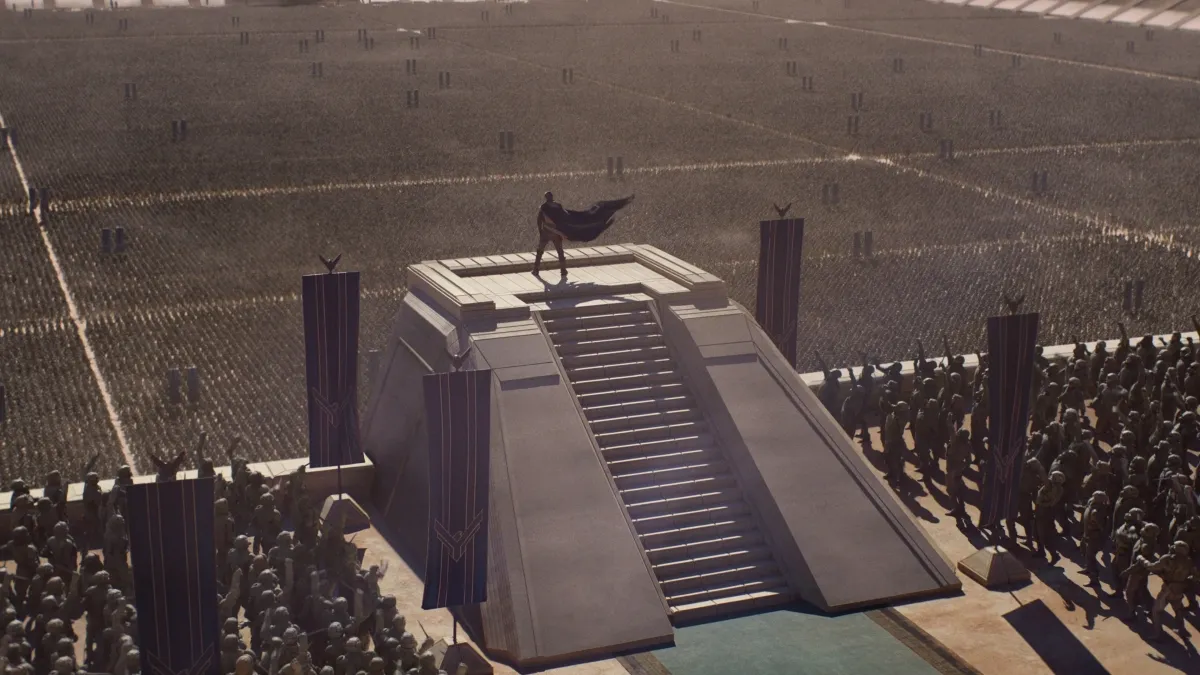
Part Three’s visual language blends realism with myth, turning Arrakis into a living, breathing antagonist. Credit: TMDB
Dune: Part Three arrives with a production budget estimated at over £158 million ($200 million), adapting Dune Messiah — a novel notably more existentially bleak and politically intricate than its predecessors. According to Collider's analysis, early pre-sales have placed the film on pace for a domestic opening exceeding $100 million, which would make it the largest debut in the franchise's history. The significance extends beyond Warner Bros.' balance sheet. A $100 million opening for a space sci-fi film that does not feature lightsabers, aliens, or straightforward heroism would demonstrate that adult audiences will turn out in blockbuster numbers for intellectually demanding genre cinema.
The Dunesday Gambit: Can Two Blockbusters Coexist?
The simultaneous release with Avengers: Doomsday has prompted industry observers to invoke the "Barbenheimer" phenomenon of July 2023, when Barbie and Oppenheimer transformed a scheduling conflict into a cultural event that boosted both films. As ComicBook.com reported, there is genuine speculation that "Dunesday" could function similarly — encouraging double-feature attendance and creating a communal theatrical experience that neither film could generate alone.

Avengers: Doomsday | Special Look. By Marvel/Disney. From @marvel
The comparison is not perfect. Barbenheimer worked because the two films appealed to radically different demographics with minimal overlap. Dune: Part Three and Avengers: Doomsday both skew toward male audiences under 35, and both are effects-driven spectacles competing for the same premium format screens. IMAX has reportedly committed to a shared release strategy, but the allocation of screens between the two films will be a zero-sum calculation in many markets. Filmonger's analysis suggests that while Avengers: Doomsday is projected to open between £205 million and £237 million ($260 million–$300 million), Dune: Part Three could still capture the "prestige blockbuster" audience that Marvel has increasingly struggled to retain — viewers who want thematic weight with their spectacle.
Arrakis Economics: What the Budget Demands
Warner Bros. has placed a significant financial bet on this trilogy's conclusion. With a budget exceeding $200 million and marketing costs likely adding another £79 million ($100 million), the film needs a global gross of approximately £395 million ($500 million) to reach profitability through theatrical revenue alone. Industry projections place the film's likely global performance in the £474 million to £592 million ($600 million–$750 million) range, though optimistic forecasts suggest it could exceed those figures with strong word-of-mouth and awards season momentum.
The film's commercial prospects are bolstered by several structural advantages. It holds an exclusive IMAX window, a format that has proven disproportionately lucrative for the franchise — the vast desert landscapes of Arrakis and the cosmic scale of the Emperor's court are precisely the kind of visuals that justify premium ticket pricing. The cast, led by Timothée Chalamet and Zendaya, commands global recognition, and the introduction of Robert Pattinson as the antagonist Scytale adds a new demographic draw.
What Dunesday Means for Space Sci-Fi's Box Office Future
The commercial implications extend far beyond one weekend. If Dune: Part Three succeeds at or near blockbuster levels while maintaining its intellectual and political ambitions, it validates a production model that the industry has been reluctant to embrace: expensive space sci-fi that trusts its audience. For decades, the conventional wisdom held that space opera required either the familiarity of Star Wars or the accessibility of Marvel's cosmic properties to justify nine-figure budgets. Villeneuve's trilogy has challenged that assumption at every stage.

Dune vs Avengers: The desert rises, the heroes fall, and the box office decides which universe claims the crown. Credit: TMDB
A strong performance on "Dunesday" would send a signal to studios that space sci-fi can be the main event, not merely the counter-programming. It would embolden investment in original space opera properties — the kind of projects that major studios have shelved in favour of safer franchise extensions. Conversely, if Dune: Part Three underperforms against the MCU juggernaut, the lesson executives will draw is not that Villeneuve's vision was too demanding, but that demanding space sci-fi cannot compete at the highest commercial tier. That outcome would set the genre back precisely when it has achieved unprecedented creative credibility.
The Road Ahead: December 18 and Beyond
The next eleven weeks will determine whether "Dunesday" enters the lexicon as a triumph of counter-programming or a cautionary tale about overreach. What is already certain is that Warner Bros. has chosen to treat space sci-fi as a flagship property worthy of the most competitive release date on the calendar. That decision alone represents a shift in how the industry values the genre. For audiences who have spent decades watching space opera marginalised in favour of safer bets, the possibility that Arrakis and the Avengers could share the cultural spotlight is not merely a scheduling curiosity. It is evidence that the final frontier has finally arrived at the centre of mainstream cinema.
Further Reading:
For more space sci-fi movie news and features, keep your scanners locked on scinexic.com.
What happens when the most intellectually ambitious space sci-fi franchise in modern cinema opens against the most commercially dominant superhero property on the same December day? The industry has already coined a term for it: "Dunesday." On 18 December 2026, Denis Villeneuve's Dune: Part Three — the concluding chapter of a trilogy that has elevated space opera from cult niche to prestige blockbuster — will share its theatrical debut with Marvel's Avengers: Doomsday. The scheduling collision is not an accident. It is a statement of confidence from Warner Bros., and a stress test for whether space sci-fi can command the cultural centre stage alongside the most reliable box office formula Hollywood has ever engineered.
Dune: Part Three | Official Trailer. By Warner Bros/Legendary. From @WarnerBros
With domestic pre-sales for Dune: Part Three already exceeding £7.7 million ($10 million) and opening weekend projections surpassing £77 million ($100 million), the question is no longer whether Villeneuve's vision deserves a blockbuster audience. It is whether the audience is ready to treat space sci-fi as event cinema on the same tier as the MCU.
Villeneuve’s vision sharpens here: a mythic endgame where political prophecy collides with blockbuster spectacle. Credit: Wikimedia
The Spice Must Flow: Why a $100 Million Opening Would Rewrite the Rules
To understand the stakes, consider where this franchise began. Dune (2021) opened to a modest £31 million ($41 million) domestic weekend — respectable for a pandemic-era release of a notoriously "unfilmable" novel, but hardly a phenomenon. Dune: Part Two (2024) nearly doubled that with an £63 million ($82.5 million) domestic debut, ultimately grossing £559 million ($714.8 million) worldwide against a £150 million ($190 million) budget. The trajectory is unambiguous: each instalment has expanded the audience while maintaining the series' deliberate pacing, political complexity, and refusal to condescend.
Part Three’s visual language blends realism with myth, turning Arrakis into a living, breathing antagonist. Credit: TMDB
Dune: Part Three arrives with a production budget estimated at over £158 million ($200 million), adapting Dune Messiah — a novel notably more existentially bleak and politically intricate than its predecessors. According to Collider's analysis, early pre-sales have placed the film on pace for a domestic opening exceeding $100 million, which would make it the largest debut in the franchise's history. The significance extends beyond Warner Bros.' balance sheet. A $100 million opening for a space sci-fi film that does not feature lightsabers, aliens, or straightforward heroism would demonstrate that adult audiences will turn out in blockbuster numbers for intellectually demanding genre cinema.
The Dunesday Gambit: Can Two Blockbusters Coexist?
The simultaneous release with Avengers: Doomsday has prompted industry observers to invoke the "Barbenheimer" phenomenon of July 2023, when Barbie and Oppenheimer transformed a scheduling conflict into a cultural event that boosted both films. As ComicBook.com reported, there is genuine speculation that "Dunesday" could function similarly — encouraging double-feature attendance and creating a communal theatrical experience that neither film could generate alone.
Avengers: Doomsday | Special Look. By Marvel/Disney. From @marvel
The comparison is not perfect. Barbenheimer worked because the two films appealed to radically different demographics with minimal overlap. Dune: Part Three and Avengers: Doomsday both skew toward male audiences under 35, and both are effects-driven spectacles competing for the same premium format screens. IMAX has reportedly committed to a shared release strategy, but the allocation of screens between the two films will be a zero-sum calculation in many markets. Filmonger's analysis suggests that while Avengers: Doomsday is projected to open between £205 million and £237 million ($260 million–$300 million), Dune: Part Three could still capture the "prestige blockbuster" audience that Marvel has increasingly struggled to retain — viewers who want thematic weight with their spectacle.
Arrakis Economics: What the Budget Demands
Warner Bros. has placed a significant financial bet on this trilogy's conclusion. With a budget exceeding $200 million and marketing costs likely adding another £79 million ($100 million), the film needs a global gross of approximately £395 million ($500 million) to reach profitability through theatrical revenue alone. Industry projections place the film's likely global performance in the £474 million to £592 million ($600 million–$750 million) range, though optimistic forecasts suggest it could exceed those figures with strong word-of-mouth and awards season momentum.
The film's commercial prospects are bolstered by several structural advantages. It holds an exclusive IMAX window, a format that has proven disproportionately lucrative for the franchise — the vast desert landscapes of Arrakis and the cosmic scale of the Emperor's court are precisely the kind of visuals that justify premium ticket pricing. The cast, led by Timothée Chalamet and Zendaya, commands global recognition, and the introduction of Robert Pattinson as the antagonist Scytale adds a new demographic draw.
What Dunesday Means for Space Sci-Fi's Box Office Future
The commercial implications extend far beyond one weekend. If Dune: Part Three succeeds at or near blockbuster levels while maintaining its intellectual and political ambitions, it validates a production model that the industry has been reluctant to embrace: expensive space sci-fi that trusts its audience. For decades, the conventional wisdom held that space opera required either the familiarity of Star Wars or the accessibility of Marvel's cosmic properties to justify nine-figure budgets. Villeneuve's trilogy has challenged that assumption at every stage.
Dune vs Avengers: The desert rises, the heroes fall, and the box office decides which universe claims the crown. Credit: TMDB
A strong performance on "Dunesday" would send a signal to studios that space sci-fi can be the main event, not merely the counter-programming. It would embolden investment in original space opera properties — the kind of projects that major studios have shelved in favour of safer franchise extensions. Conversely, if Dune: Part Three underperforms against the MCU juggernaut, the lesson executives will draw is not that Villeneuve's vision was too demanding, but that demanding space sci-fi cannot compete at the highest commercial tier. That outcome would set the genre back precisely when it has achieved unprecedented creative credibility.
The Road Ahead: December 18 and Beyond
The next eleven weeks will determine whether "Dunesday" enters the lexicon as a triumph of counter-programming or a cautionary tale about overreach. What is already certain is that Warner Bros. has chosen to treat space sci-fi as a flagship property worthy of the most competitive release date on the calendar. That decision alone represents a shift in how the industry values the genre. For audiences who have spent decades watching space opera marginalised in favour of safer bets, the possibility that Arrakis and the Avengers could share the cultural spotlight is not merely a scheduling curiosity. It is evidence that the final frontier has finally arrived at the centre of mainstream cinema.
Further Reading:
For more space sci-fi movie news and features, keep your scanners locked on scinexic.com.
What happens when the most intellectually ambitious space sci-fi franchise in modern cinema opens against the most commercially dominant superhero property on the same December day? The industry has already coined a term for it: "Dunesday." On 18 December 2026, Denis Villeneuve's Dune: Part Three — the concluding chapter of a trilogy that has elevated space opera from cult niche to prestige blockbuster — will share its theatrical debut with Marvel's Avengers: Doomsday. The scheduling collision is not an accident. It is a statement of confidence from Warner Bros., and a stress test for whether space sci-fi can command the cultural centre stage alongside the most reliable box office formula Hollywood has ever engineered.
Dune: Part Three | Official Trailer. By Warner Bros/Legendary. From @WarnerBros
With domestic pre-sales for Dune: Part Three already exceeding £7.7 million ($10 million) and opening weekend projections surpassing £77 million ($100 million), the question is no longer whether Villeneuve's vision deserves a blockbuster audience. It is whether the audience is ready to treat space sci-fi as event cinema on the same tier as the MCU.
Villeneuve’s vision sharpens here: a mythic endgame where political prophecy collides with blockbuster spectacle. Credit: Wikimedia
The Spice Must Flow: Why a $100 Million Opening Would Rewrite the Rules
To understand the stakes, consider where this franchise began. Dune (2021) opened to a modest £31 million ($41 million) domestic weekend — respectable for a pandemic-era release of a notoriously "unfilmable" novel, but hardly a phenomenon. Dune: Part Two (2024) nearly doubled that with an £63 million ($82.5 million) domestic debut, ultimately grossing £559 million ($714.8 million) worldwide against a £150 million ($190 million) budget. The trajectory is unambiguous: each instalment has expanded the audience while maintaining the series' deliberate pacing, political complexity, and refusal to condescend.
Part Three’s visual language blends realism with myth, turning Arrakis into a living, breathing antagonist. Credit: TMDB
Dune: Part Three arrives with a production budget estimated at over £158 million ($200 million), adapting Dune Messiah — a novel notably more existentially bleak and politically intricate than its predecessors. According to Collider's analysis, early pre-sales have placed the film on pace for a domestic opening exceeding $100 million, which would make it the largest debut in the franchise's history. The significance extends beyond Warner Bros.' balance sheet. A $100 million opening for a space sci-fi film that does not feature lightsabers, aliens, or straightforward heroism would demonstrate that adult audiences will turn out in blockbuster numbers for intellectually demanding genre cinema.
The Dunesday Gambit: Can Two Blockbusters Coexist?
The simultaneous release with Avengers: Doomsday has prompted industry observers to invoke the "Barbenheimer" phenomenon of July 2023, when Barbie and Oppenheimer transformed a scheduling conflict into a cultural event that boosted both films. As ComicBook.com reported, there is genuine speculation that "Dunesday" could function similarly — encouraging double-feature attendance and creating a communal theatrical experience that neither film could generate alone.
Avengers: Doomsday | Special Look. By Marvel/Disney. From @marvel
The comparison is not perfect. Barbenheimer worked because the two films appealed to radically different demographics with minimal overlap. Dune: Part Three and Avengers: Doomsday both skew toward male audiences under 35, and both are effects-driven spectacles competing for the same premium format screens. IMAX has reportedly committed to a shared release strategy, but the allocation of screens between the two films will be a zero-sum calculation in many markets. Filmonger's analysis suggests that while Avengers: Doomsday is projected to open between £205 million and £237 million ($260 million–$300 million), Dune: Part Three could still capture the "prestige blockbuster" audience that Marvel has increasingly struggled to retain — viewers who want thematic weight with their spectacle.
Arrakis Economics: What the Budget Demands
Warner Bros. has placed a significant financial bet on this trilogy's conclusion. With a budget exceeding $200 million and marketing costs likely adding another £79 million ($100 million), the film needs a global gross of approximately £395 million ($500 million) to reach profitability through theatrical revenue alone. Industry projections place the film's likely global performance in the £474 million to £592 million ($600 million–$750 million) range, though optimistic forecasts suggest it could exceed those figures with strong word-of-mouth and awards season momentum.
The film's commercial prospects are bolstered by several structural advantages. It holds an exclusive IMAX window, a format that has proven disproportionately lucrative for the franchise — the vast desert landscapes of Arrakis and the cosmic scale of the Emperor's court are precisely the kind of visuals that justify premium ticket pricing. The cast, led by Timothée Chalamet and Zendaya, commands global recognition, and the introduction of Robert Pattinson as the antagonist Scytale adds a new demographic draw.
What Dunesday Means for Space Sci-Fi's Box Office Future
The commercial implications extend far beyond one weekend. If Dune: Part Three succeeds at or near blockbuster levels while maintaining its intellectual and political ambitions, it validates a production model that the industry has been reluctant to embrace: expensive space sci-fi that trusts its audience. For decades, the conventional wisdom held that space opera required either the familiarity of Star Wars or the accessibility of Marvel's cosmic properties to justify nine-figure budgets. Villeneuve's trilogy has challenged that assumption at every stage.
Dune vs Avengers: The desert rises, the heroes fall, and the box office decides which universe claims the crown. Credit: TMDB
A strong performance on "Dunesday" would send a signal to studios that space sci-fi can be the main event, not merely the counter-programming. It would embolden investment in original space opera properties — the kind of projects that major studios have shelved in favour of safer franchise extensions. Conversely, if Dune: Part Three underperforms against the MCU juggernaut, the lesson executives will draw is not that Villeneuve's vision was too demanding, but that demanding space sci-fi cannot compete at the highest commercial tier. That outcome would set the genre back precisely when it has achieved unprecedented creative credibility.
The Road Ahead: December 18 and Beyond
The next eleven weeks will determine whether "Dunesday" enters the lexicon as a triumph of counter-programming or a cautionary tale about overreach. What is already certain is that Warner Bros. has chosen to treat space sci-fi as a flagship property worthy of the most competitive release date on the calendar. That decision alone represents a shift in how the industry values the genre. For audiences who have spent decades watching space opera marginalised in favour of safer bets, the possibility that Arrakis and the Avengers could share the cultural spotlight is not merely a scheduling curiosity. It is evidence that the final frontier has finally arrived at the centre of mainstream cinema.
Further Reading:
For more space sci-fi movie news and features, keep your scanners locked on scinexic.com.
Image Gallery
Comments
Please be kind and considerate. Any abusive or offensive comments will be sent out the airlock! Thank You.
Please be kind and considerate. Any abusive or offensive comments will be sent out the airlock! Thank You.
Join the SciNexic Crew
Related Posts
Share on Twitter
Share on Instagram
Share on Twitter
Share on Instagram
Banner Image - Dune: Part Three scene image & Avengers: Doomsday scene image & logos - TMDB.org - Copyright: Warner Bros/Legendary - Marvel/Disney
Main Article - All images and media are the property of their respective owners.