


The SciNexic Files
The SciNexic Files
The SciNexic Files
The SciNexic Files

An alien world gives HBO’s space cops somewhere new to go. A painful confession gives the journey a reason to matter.
Spoilers ahead for Lanterns through episode seven. Includes discussion of suicide.
Most detective stories eventually lead to a locked room, a missing witness or something unpleasant buried behind the house.
Lanterns has a different idea. Open the box, step through the portal and take your dead colleague with you. He might be useful. He might also have some difficult questions about what happened to him.
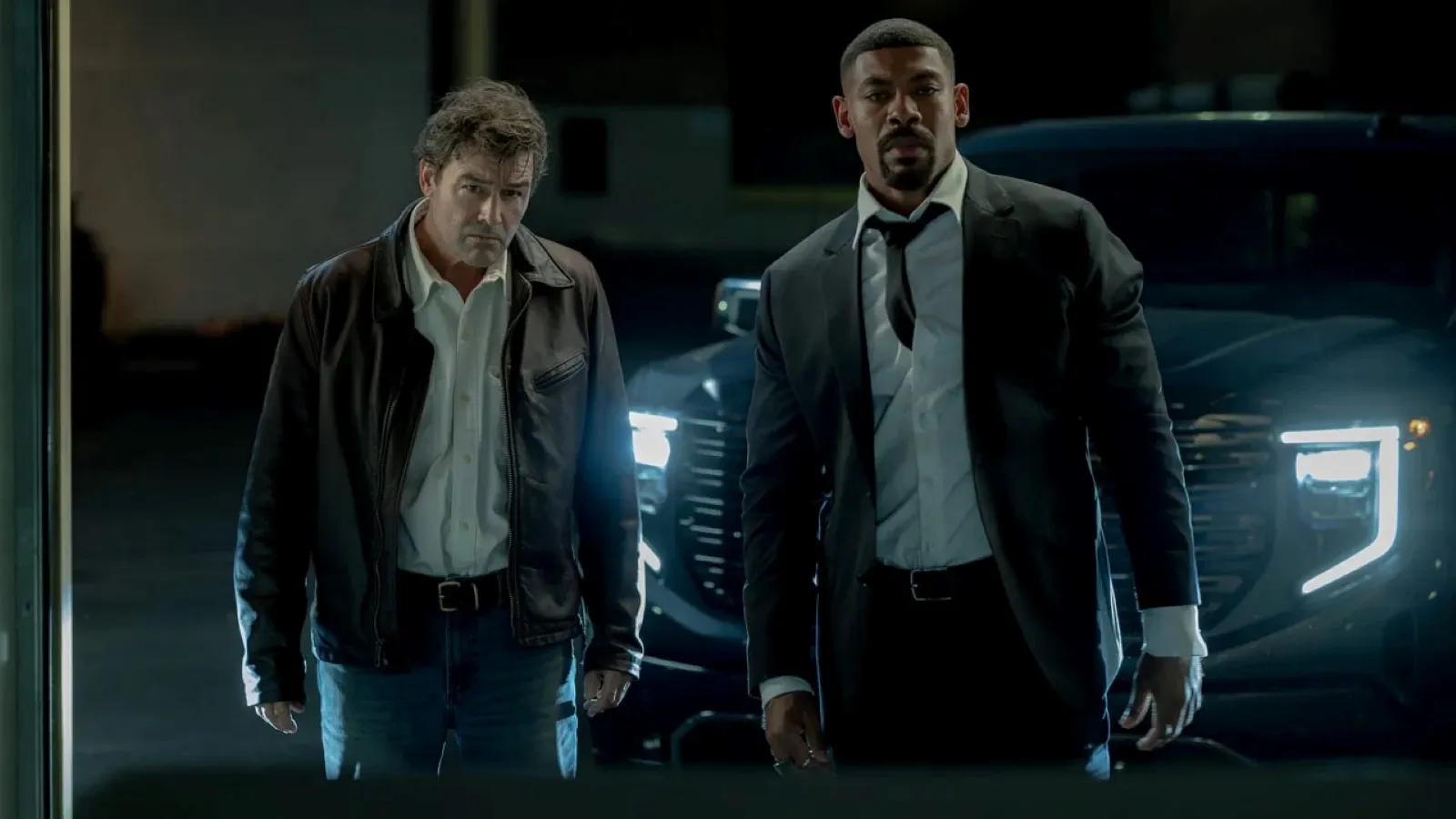
Two Lanterns, one impossible case — Hal and Jon aren’t just partners, they’re the Corps’ last line of clarity. Credit: TMDB
In its penultimate episode, HBO’s Green Lantern drama sends John Stewart and the digital “Halogram” into a devastated alien landscape, where the investigation brings them face to face with Sinestro. As TV Insider’s episode breakdown details, the journey also takes them deeper into the history that shaped Hal Jordan.
For anyone impatient to see more of the universe beyond Nebraska, this is an enticing development. But the most interesting thing waiting on the other side isn’t the scenery.
It is the possibility that Lanterns can become more intimate by becoming stranger.
That is a much better ambition than simply proving the effects budget stretches to another planet.
Beyond the Nebraska state line
There has always been something provocative about building a Green Lantern series around a small-town investigation. Give your characters access to the cosmos, then ask them to concentrate on a case in the American heartland. It is rather like buying a spacecraft and using it for the school run.

The ring stops obeying and starts revealing — Episode 7 shows Hal Jordan (Kyle Chandler) that willpower alone can’t outrun destiny. Credit: TMDB
Still, this was the assignment from the beginning. HBO’s official synopsis explicitly positioned Lanterns as an Earth-based mystery involving intergalactic police officers. Showrunner Chris Mundy’s stated tonal influences included True Detective and Slow Horses, not an uninterrupted procession of space battles.
Nor has the show kept its characters entirely grounded. Hal’s visit to Sinestro’s intergalactic prison in episode two was an early reminder of the larger world surrounding the investigation. In comments discussed by GamesRadar, Mundy acknowledged the deliberate restraint before that more overtly comic-book encounter.
The question, then, is one of appetite. A glimpse can establish that a bigger universe exists. It can also make you want considerably more of it.
Episode seven feeds that curiosity while finding something useful to do with the change of location. The portal leads to a ruined world connected to Antaan’s people. Its hazardous environment triggers visions rooted in John’s past, and the encounter with Sinestro adds another troubling complication to the mystery of Hal’s death.
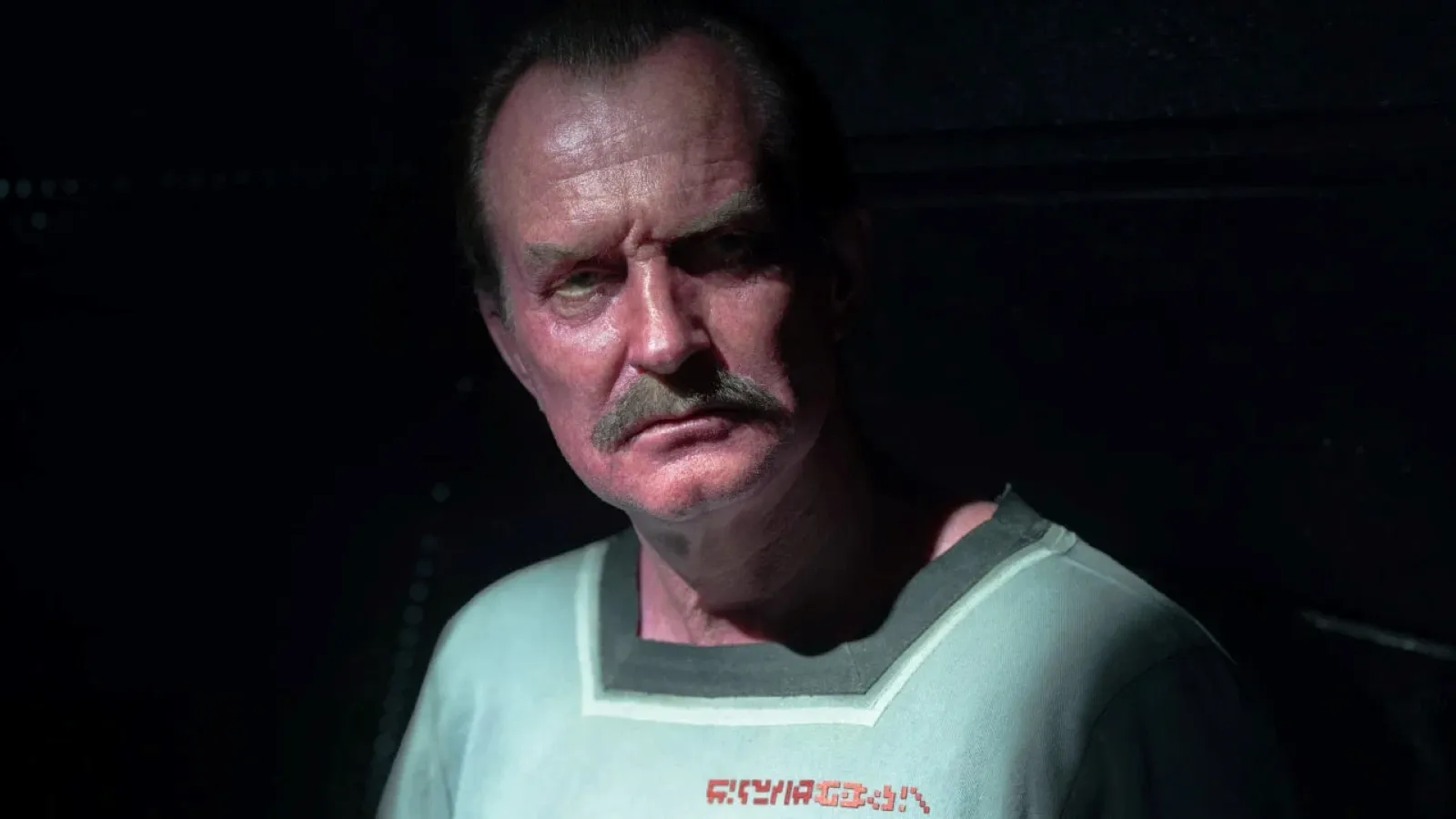
Episode 7 hints that Sinestro’s (Ulrich Thomsen) influence stretches farther than either Lantern wants to admit. Credit: TMDB
Here, the alien setting is more than a reward for patient viewers. It interferes with the investigation and with the investigator himself. John cannot simply arrive, ask sensible questions and leave with his notebook intact.
That is where this approach becomes exciting. A familiar detective-story problem acquires an unfamiliar shape. The environment is dangerous, the witness is impossible, and the most useful evidence may concern things neither man wants to confront.
You can leave Nebraska. Leaving your past behind is another matter.
The dead man is not quite the man who died
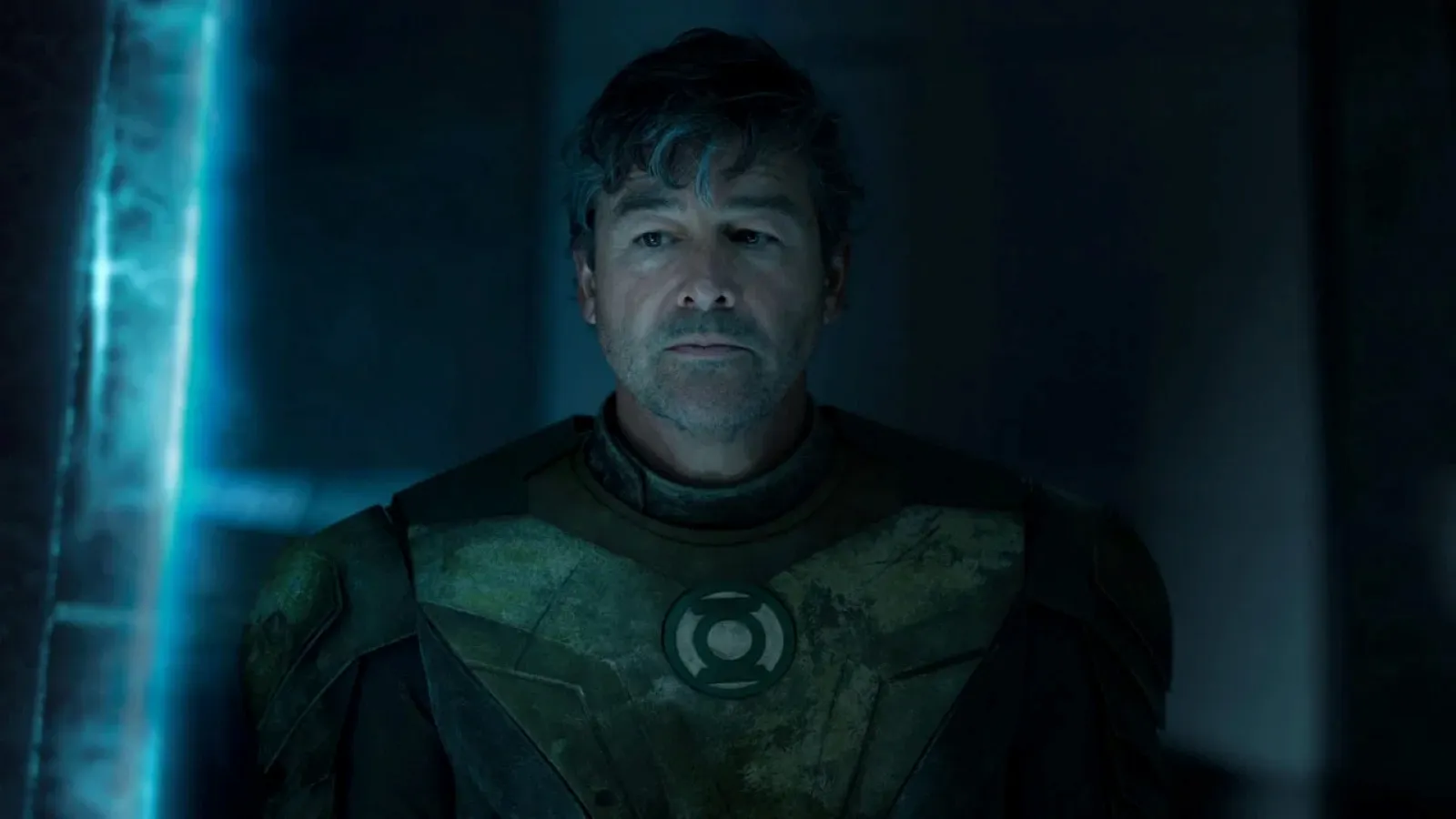
In Episode 7: cosmic truths hit, and Hal finally breaks open. Credit: TMDB
The Halogram is a particularly good complication because it offers something more interesting than an easy resurrection.
This version of Hal comes from a backup made in 2006, before the later experiences that transformed his life. He can help John investigate, but he cannot simply explain everything his older self did. He is both a source of information and another person struggling to understand the evidence.
Imagine discovering that somebody has made a terrible mess of your life, only to learn that the somebody was you.
The premise turns a convenient piece of superhero technology into a question about identity. How much would an earlier version of us recognise? Which compromises would need explaining? Would we defend the person we became, or demand to know what on Earth they were thinking?
For Hal, those questions lead somewhere painful. He tells John that his father, Martin, died by suicide, and that a note revealed suffering concealed from his family. Then comes the confession recorded in The Ringer’s recap:
“I’m not fearless ’cause I’m brave. I’m fearless ’cause I’m broken.”
It is a harsh account of himself, and the audience need not accept it as the whole truth. But it makes “fearless” feel less like a straightforward qualification for heroism.
Someone can be courageous and suffering. Recklessness can resemble confidence. A person admired for always moving forward may never have found a way to live with what is behind them.
The conversation also introduces the possibility that Hal’s death was not murder, without resolving that question.
What makes this material worth dwelling on is its relationship to the science fiction around it. The impossible technology permits a conversation that death should have prevented. The alien journey makes room for an intensely human disclosure.
The spectacular and the personal are helping each other.
Let the universe do some of the storytelling
This is why the familiar argument about whether Lanterns needs “more space” can become frustratingly narrow.
Of course another planet is welcome. We are not going to complain about an interesting alien skyline. But the stronger request is for more situations that could only happen in this particular story.
A digital remnant investigating the fate of its original is one. A hostile atmosphere forcing a character into confrontation with memory is another. These ideas do more than increase the distance travelled. They change what the drama can express.
The Expanse understood the value of that relationship from its opening episode, placing Julie Mao’s disappearance within a world already shaped by spacecraft, life on Ceres and Earth–Mars–Belt tensions. Its official pilot recap is a useful reminder that a close-up mystery and a vast setting can develop together.
Lanterns does not need to copy that model. It does, however, benefit from letting its extraordinary world exert pressure on its characters.
That pressure is more valuable than spectacle added out of obligation. Nobody needs a quiet confession interrupted by an enormous green fist merely to reassure us that we are still watching a superhero series.
Equally, emotional seriousness should not require the imagination to wait outside.
SciNexic’s view: keep the portal open
Episode seven offers a promising way through that tension. Its appeal lies in the combination: the strange destination, the uncertain companion and the conversation neither character could have had in quite this way before.
Now the finale has to make those discoveries count.
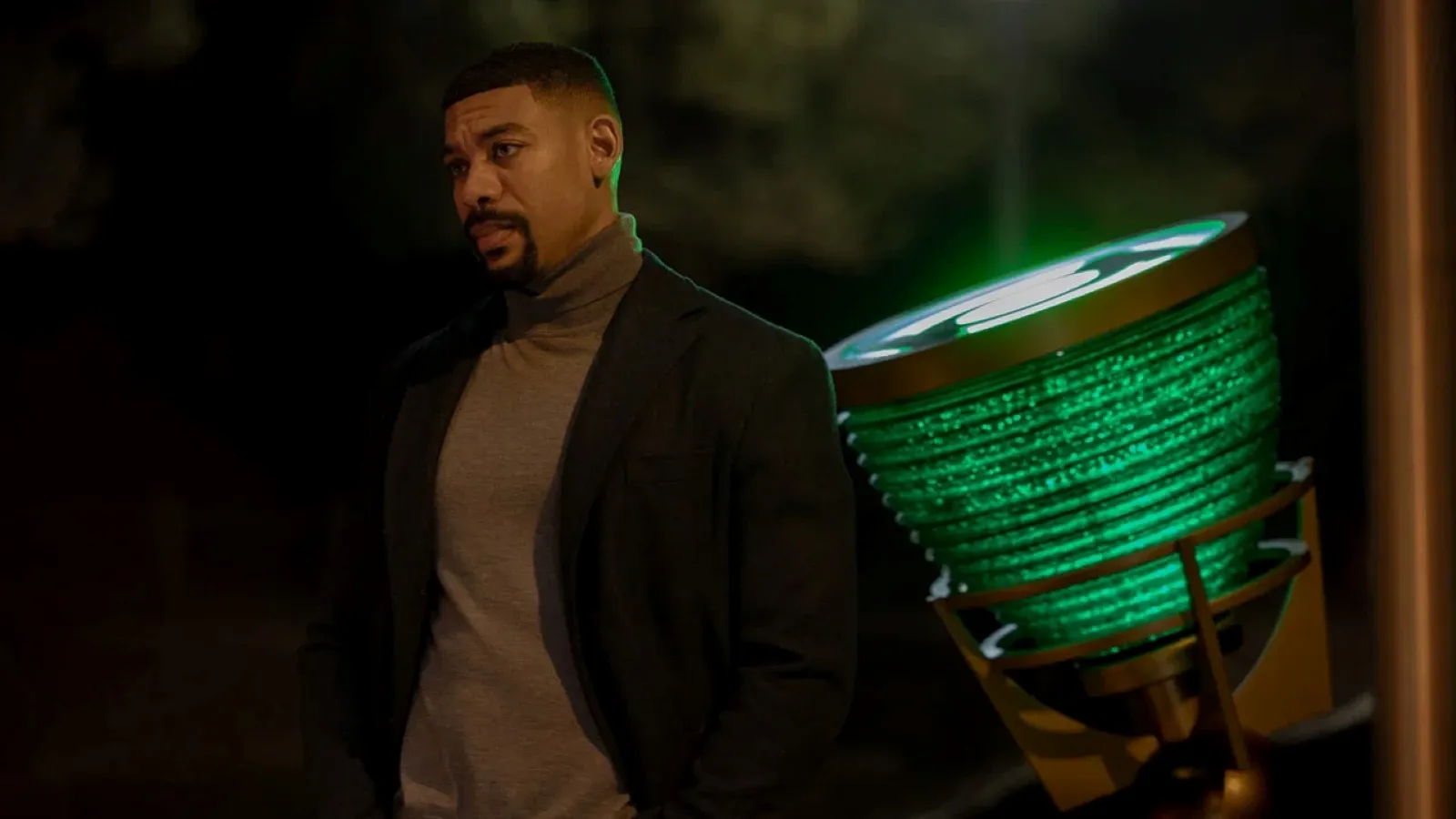
For Jon (Aaron Pierre), the ring isn’t destiny — it’s responsibility. Episode 7 shows why the Corps trusts him. Credit: TMDB
The remaining challenge is not simply to explain Hal’s death or provide an impressive confrontation. It is to make the answers alter our understanding of the people involved. A solution can close a case. A consequence can make the whole journey matter.
The finale arrives on 4 October 2026 in the US and 5 October in the UK.
Until then, the most encouraging possibility is that Lanterns needn’t choose between looking outwards and looking inwards.
Let John encounter things he cannot explain. Let the universe challenge his assumptions. Give the human drama somewhere genuinely unfamiliar to go.
The stars are not a distraction from the story.
Used well, they are how you tell it.
Further Reading:
SciNexic.com may earn a commission through affiliate links, ensuring continued cosmic content.
An alien world gives HBO’s space cops somewhere new to go. A painful confession gives the journey a reason to matter.
Spoilers ahead for Lanterns through episode seven. Includes discussion of suicide.
Most detective stories eventually lead to a locked room, a missing witness or something unpleasant buried behind the house.
Lanterns has a different idea. Open the box, step through the portal and take your dead colleague with you. He might be useful. He might also have some difficult questions about what happened to him.
Two Lanterns, one impossible case — Hal and Jon aren’t just partners, they’re the Corps’ last line of clarity. Credit: TMDB
In its penultimate episode, HBO’s Green Lantern drama sends John Stewart and the digital “Halogram” into a devastated alien landscape, where the investigation brings them face to face with Sinestro. As TV Insider’s episode breakdown details, the journey also takes them deeper into the history that shaped Hal Jordan.
For anyone impatient to see more of the universe beyond Nebraska, this is an enticing development. But the most interesting thing waiting on the other side isn’t the scenery.
It is the possibility that Lanterns can become more intimate by becoming stranger.
That is a much better ambition than simply proving the effects budget stretches to another planet.
Beyond the Nebraska state line
There has always been something provocative about building a Green Lantern series around a small-town investigation. Give your characters access to the cosmos, then ask them to concentrate on a case in the American heartland. It is rather like buying a spacecraft and using it for the school run.
The ring stops obeying and starts revealing — Episode 7 shows Hal Jordan (Kyle Chandler) that willpower alone can’t outrun destiny. Credit: TMDB
Still, this was the assignment from the beginning. HBO’s official synopsis explicitly positioned Lanterns as an Earth-based mystery involving intergalactic police officers. Showrunner Chris Mundy’s stated tonal influences included True Detective and Slow Horses, not an uninterrupted procession of space battles.
Nor has the show kept its characters entirely grounded. Hal’s visit to Sinestro’s intergalactic prison in episode two was an early reminder of the larger world surrounding the investigation. In comments discussed by GamesRadar, Mundy acknowledged the deliberate restraint before that more overtly comic-book encounter.
The question, then, is one of appetite. A glimpse can establish that a bigger universe exists. It can also make you want considerably more of it.
Episode seven feeds that curiosity while finding something useful to do with the change of location. The portal leads to a ruined world connected to Antaan’s people. Its hazardous environment triggers visions rooted in John’s past, and the encounter with Sinestro adds another troubling complication to the mystery of Hal’s death.
Episode 7 hints that Sinestro’s (Ulrich Thomsen) influence stretches farther than either Lantern wants to admit. Credit: TMDB
Here, the alien setting is more than a reward for patient viewers. It interferes with the investigation and with the investigator himself. John cannot simply arrive, ask sensible questions and leave with his notebook intact.
That is where this approach becomes exciting. A familiar detective-story problem acquires an unfamiliar shape. The environment is dangerous, the witness is impossible, and the most useful evidence may concern things neither man wants to confront.
You can leave Nebraska. Leaving your past behind is another matter.
The dead man is not quite the man who died
In Episode 7: cosmic truths hit, and Hal finally breaks open. Credit: TMDB
The Halogram is a particularly good complication because it offers something more interesting than an easy resurrection.
This version of Hal comes from a backup made in 2006, before the later experiences that transformed his life. He can help John investigate, but he cannot simply explain everything his older self did. He is both a source of information and another person struggling to understand the evidence.
Imagine discovering that somebody has made a terrible mess of your life, only to learn that the somebody was you.
The premise turns a convenient piece of superhero technology into a question about identity. How much would an earlier version of us recognise? Which compromises would need explaining? Would we defend the person we became, or demand to know what on Earth they were thinking?
For Hal, those questions lead somewhere painful. He tells John that his father, Martin, died by suicide, and that a note revealed suffering concealed from his family. Then comes the confession recorded in The Ringer’s recap:
“I’m not fearless ’cause I’m brave. I’m fearless ’cause I’m broken.”
It is a harsh account of himself, and the audience need not accept it as the whole truth. But it makes “fearless” feel less like a straightforward qualification for heroism.
Someone can be courageous and suffering. Recklessness can resemble confidence. A person admired for always moving forward may never have found a way to live with what is behind them.
The conversation also introduces the possibility that Hal’s death was not murder, without resolving that question.
What makes this material worth dwelling on is its relationship to the science fiction around it. The impossible technology permits a conversation that death should have prevented. The alien journey makes room for an intensely human disclosure.
The spectacular and the personal are helping each other.
Let the universe do some of the storytelling
This is why the familiar argument about whether Lanterns needs “more space” can become frustratingly narrow.
Of course another planet is welcome. We are not going to complain about an interesting alien skyline. But the stronger request is for more situations that could only happen in this particular story.
A digital remnant investigating the fate of its original is one. A hostile atmosphere forcing a character into confrontation with memory is another. These ideas do more than increase the distance travelled. They change what the drama can express.
The Expanse understood the value of that relationship from its opening episode, placing Julie Mao’s disappearance within a world already shaped by spacecraft, life on Ceres and Earth–Mars–Belt tensions. Its official pilot recap is a useful reminder that a close-up mystery and a vast setting can develop together.
Lanterns does not need to copy that model. It does, however, benefit from letting its extraordinary world exert pressure on its characters.
That pressure is more valuable than spectacle added out of obligation. Nobody needs a quiet confession interrupted by an enormous green fist merely to reassure us that we are still watching a superhero series.
Equally, emotional seriousness should not require the imagination to wait outside.
SciNexic’s view: keep the portal open
Episode seven offers a promising way through that tension. Its appeal lies in the combination: the strange destination, the uncertain companion and the conversation neither character could have had in quite this way before.
Now the finale has to make those discoveries count.
For Jon (Aaron Pierre), the ring isn’t destiny — it’s responsibility. Episode 7 shows why the Corps trusts him. Credit: TMDB
The remaining challenge is not simply to explain Hal’s death or provide an impressive confrontation. It is to make the answers alter our understanding of the people involved. A solution can close a case. A consequence can make the whole journey matter.
The finale arrives on 4 October 2026 in the US and 5 October in the UK.
Until then, the most encouraging possibility is that Lanterns needn’t choose between looking outwards and looking inwards.
Let John encounter things he cannot explain. Let the universe challenge his assumptions. Give the human drama somewhere genuinely unfamiliar to go.
The stars are not a distraction from the story.
Used well, they are how you tell it.
Further Reading:
SciNexic.com may earn a commission through affiliate links, ensuring continued cosmic content.
An alien world gives HBO’s space cops somewhere new to go. A painful confession gives the journey a reason to matter.
Spoilers ahead for Lanterns through episode seven. Includes discussion of suicide.
Most detective stories eventually lead to a locked room, a missing witness or something unpleasant buried behind the house.
Lanterns has a different idea. Open the box, step through the portal and take your dead colleague with you. He might be useful. He might also have some difficult questions about what happened to him.
Two Lanterns, one impossible case — Hal and Jon aren’t just partners, they’re the Corps’ last line of clarity. Credit: TMDB
In its penultimate episode, HBO’s Green Lantern drama sends John Stewart and the digital “Halogram” into a devastated alien landscape, where the investigation brings them face to face with Sinestro. As TV Insider’s episode breakdown details, the journey also takes them deeper into the history that shaped Hal Jordan.
For anyone impatient to see more of the universe beyond Nebraska, this is an enticing development. But the most interesting thing waiting on the other side isn’t the scenery.
It is the possibility that Lanterns can become more intimate by becoming stranger.
That is a much better ambition than simply proving the effects budget stretches to another planet.
Beyond the Nebraska state line
There has always been something provocative about building a Green Lantern series around a small-town investigation. Give your characters access to the cosmos, then ask them to concentrate on a case in the American heartland. It is rather like buying a spacecraft and using it for the school run.
The ring stops obeying and starts revealing — Episode 7 shows Hal Jordan (Kyle Chandler) that willpower alone can’t outrun destiny. Credit: TMDB
Still, this was the assignment from the beginning. HBO’s official synopsis explicitly positioned Lanterns as an Earth-based mystery involving intergalactic police officers. Showrunner Chris Mundy’s stated tonal influences included True Detective and Slow Horses, not an uninterrupted procession of space battles.
Nor has the show kept its characters entirely grounded. Hal’s visit to Sinestro’s intergalactic prison in episode two was an early reminder of the larger world surrounding the investigation. In comments discussed by GamesRadar, Mundy acknowledged the deliberate restraint before that more overtly comic-book encounter.
The question, then, is one of appetite. A glimpse can establish that a bigger universe exists. It can also make you want considerably more of it.
Episode seven feeds that curiosity while finding something useful to do with the change of location. The portal leads to a ruined world connected to Antaan’s people. Its hazardous environment triggers visions rooted in John’s past, and the encounter with Sinestro adds another troubling complication to the mystery of Hal’s death.
Episode 7 hints that Sinestro’s (Ulrich Thomsen) influence stretches farther than either Lantern wants to admit. Credit: TMDB
Here, the alien setting is more than a reward for patient viewers. It interferes with the investigation and with the investigator himself. John cannot simply arrive, ask sensible questions and leave with his notebook intact.
That is where this approach becomes exciting. A familiar detective-story problem acquires an unfamiliar shape. The environment is dangerous, the witness is impossible, and the most useful evidence may concern things neither man wants to confront.
You can leave Nebraska. Leaving your past behind is another matter.
The dead man is not quite the man who died
In Episode 7: cosmic truths hit, and Hal finally breaks open. Credit: TMDB
The Halogram is a particularly good complication because it offers something more interesting than an easy resurrection.
This version of Hal comes from a backup made in 2006, before the later experiences that transformed his life. He can help John investigate, but he cannot simply explain everything his older self did. He is both a source of information and another person struggling to understand the evidence.
Imagine discovering that somebody has made a terrible mess of your life, only to learn that the somebody was you.
The premise turns a convenient piece of superhero technology into a question about identity. How much would an earlier version of us recognise? Which compromises would need explaining? Would we defend the person we became, or demand to know what on Earth they were thinking?
For Hal, those questions lead somewhere painful. He tells John that his father, Martin, died by suicide, and that a note revealed suffering concealed from his family. Then comes the confession recorded in The Ringer’s recap:
“I’m not fearless ’cause I’m brave. I’m fearless ’cause I’m broken.”
It is a harsh account of himself, and the audience need not accept it as the whole truth. But it makes “fearless” feel less like a straightforward qualification for heroism.
Someone can be courageous and suffering. Recklessness can resemble confidence. A person admired for always moving forward may never have found a way to live with what is behind them.
The conversation also introduces the possibility that Hal’s death was not murder, without resolving that question.
What makes this material worth dwelling on is its relationship to the science fiction around it. The impossible technology permits a conversation that death should have prevented. The alien journey makes room for an intensely human disclosure.
The spectacular and the personal are helping each other.
Let the universe do some of the storytelling
This is why the familiar argument about whether Lanterns needs “more space” can become frustratingly narrow.
Of course another planet is welcome. We are not going to complain about an interesting alien skyline. But the stronger request is for more situations that could only happen in this particular story.
A digital remnant investigating the fate of its original is one. A hostile atmosphere forcing a character into confrontation with memory is another. These ideas do more than increase the distance travelled. They change what the drama can express.
The Expanse understood the value of that relationship from its opening episode, placing Julie Mao’s disappearance within a world already shaped by spacecraft, life on Ceres and Earth–Mars–Belt tensions. Its official pilot recap is a useful reminder that a close-up mystery and a vast setting can develop together.
Lanterns does not need to copy that model. It does, however, benefit from letting its extraordinary world exert pressure on its characters.
That pressure is more valuable than spectacle added out of obligation. Nobody needs a quiet confession interrupted by an enormous green fist merely to reassure us that we are still watching a superhero series.
Equally, emotional seriousness should not require the imagination to wait outside.
SciNexic’s view: keep the portal open
Episode seven offers a promising way through that tension. Its appeal lies in the combination: the strange destination, the uncertain companion and the conversation neither character could have had in quite this way before.
Now the finale has to make those discoveries count.
For Jon (Aaron Pierre), the ring isn’t destiny — it’s responsibility. Episode 7 shows why the Corps trusts him. Credit: TMDB
The remaining challenge is not simply to explain Hal’s death or provide an impressive confrontation. It is to make the answers alter our understanding of the people involved. A solution can close a case. A consequence can make the whole journey matter.
The finale arrives on 4 October 2026 in the US and 5 October in the UK.
Until then, the most encouraging possibility is that Lanterns needn’t choose between looking outwards and looking inwards.
Let John encounter things he cannot explain. Let the universe challenge his assumptions. Give the human drama somewhere genuinely unfamiliar to go.
The stars are not a distraction from the story.
Used well, they are how you tell it.
Further Reading:
SciNexic.com may earn a commission through affiliate links, ensuring continued cosmic content.
Image Gallery
Comments
Please be kind and considerate. Any abusive or offensive comments will be sent out the airlock! Thank You.
Please be kind and considerate. Any abusive or offensive comments will be sent out the airlock! Thank You.
Join the SciNexic Crew
Related Posts
Share on Instagram
Share on Instagram
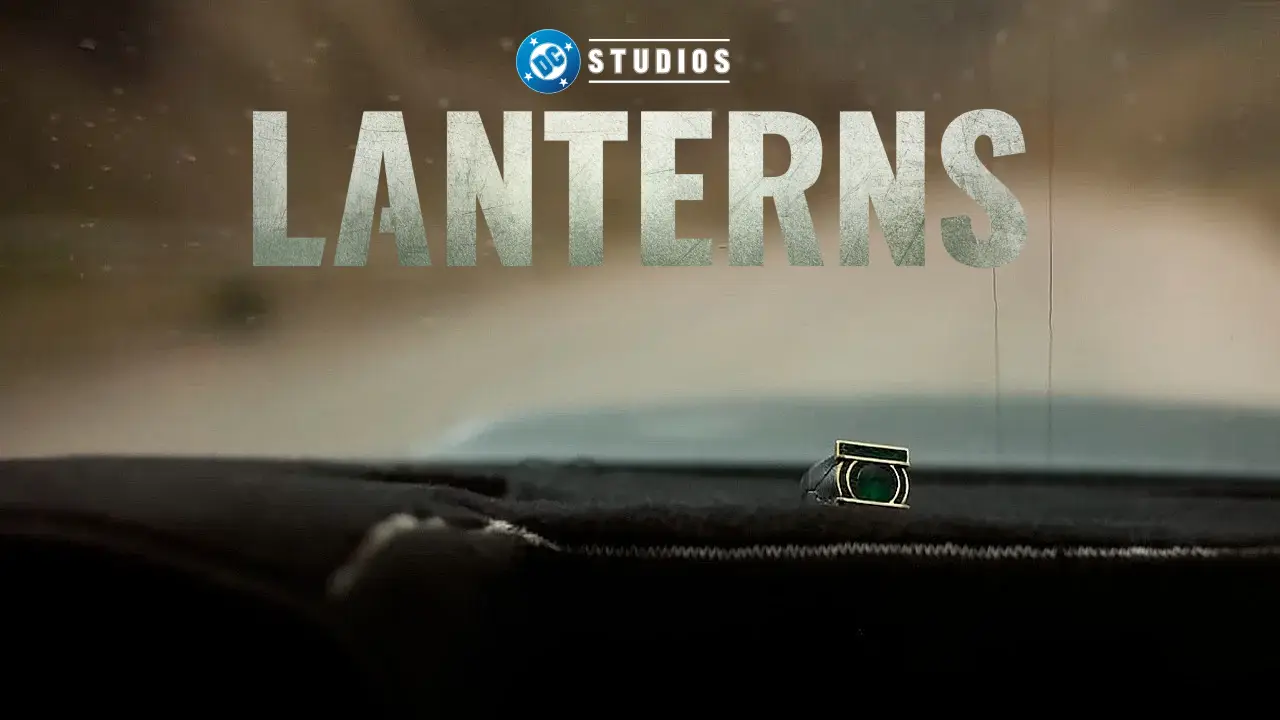
Banner Image - Lanterns promo poster - www.themoviedb.org - Copyright: HBO Inc./DC Studios
Main Article - All images and media are the property of their respective owners.