


The SciNexic Files
The SciNexic Files
The SciNexic Files
Report
The Phantom Greenlight: Star Wars Episode X Has a Director But Not a Studio Blessing — What It Means for Space Sci-Fi's Theatrical Future
On 28 September 2026, the entertainment press celebrated a Star Wars announcement that does not, strictly speaking, exist. The Hollywood Reporter broke the story: Jon Watts, the director who turned Tom Holland's Spider-Man into a nearly £3 billion trilogy (approximately £2.96 billion across three films), would helm the next chapter of the Skywalker Saga. Simon Kinberg, architect of Fox's X-Men franchise and consultant on The Force Awakens, had been writing the screenplay since 2024. The narrative practically wrote itself — Star Wars was returning to its saga roots with proven blockbuster talent. But there was a word missing from almost every headline, a distinction that separates Hollywood fantasy from corporate reality: greenlit. Disney has not greenlit Star Wars: Episode X. Watts is attached. Kinberg is writing. The project is, by Lucasfilm's own internal accounting, the "furthest along" of all announced theatrical films. And yet — as Inverse, Gizmodo, and Rolling Stone all confirmed in the same 24-hour cycle — the film exists in development, not in production. For space sci-fi's most consequential franchise, that distinction is not bureaucratic nuance. It is the difference between a film audiences will see and a film that lives only in press releases.
The Phantom Menace: What Actually Got Announced
The reporting is not wrong. It is merely incomplete. Lucasfilm has indeed been developing a new trilogy intended to continue the Skywalker Saga after The Rise of Skywalker (2019). According to That Park Place, the project emerged from Kinberg's long-standing relationship with the studio — he co-created Star Wars Rebels and consulted on The Force Awakens — and represents a deliberate return to the numbered-episode format that Disney abandoned after Episode IX underperformed commercially and critically (£830 million worldwide against a £380 million production budget, the lowest-grossing saga film since Attack of the Clones in 2002, adjusted for inflation).
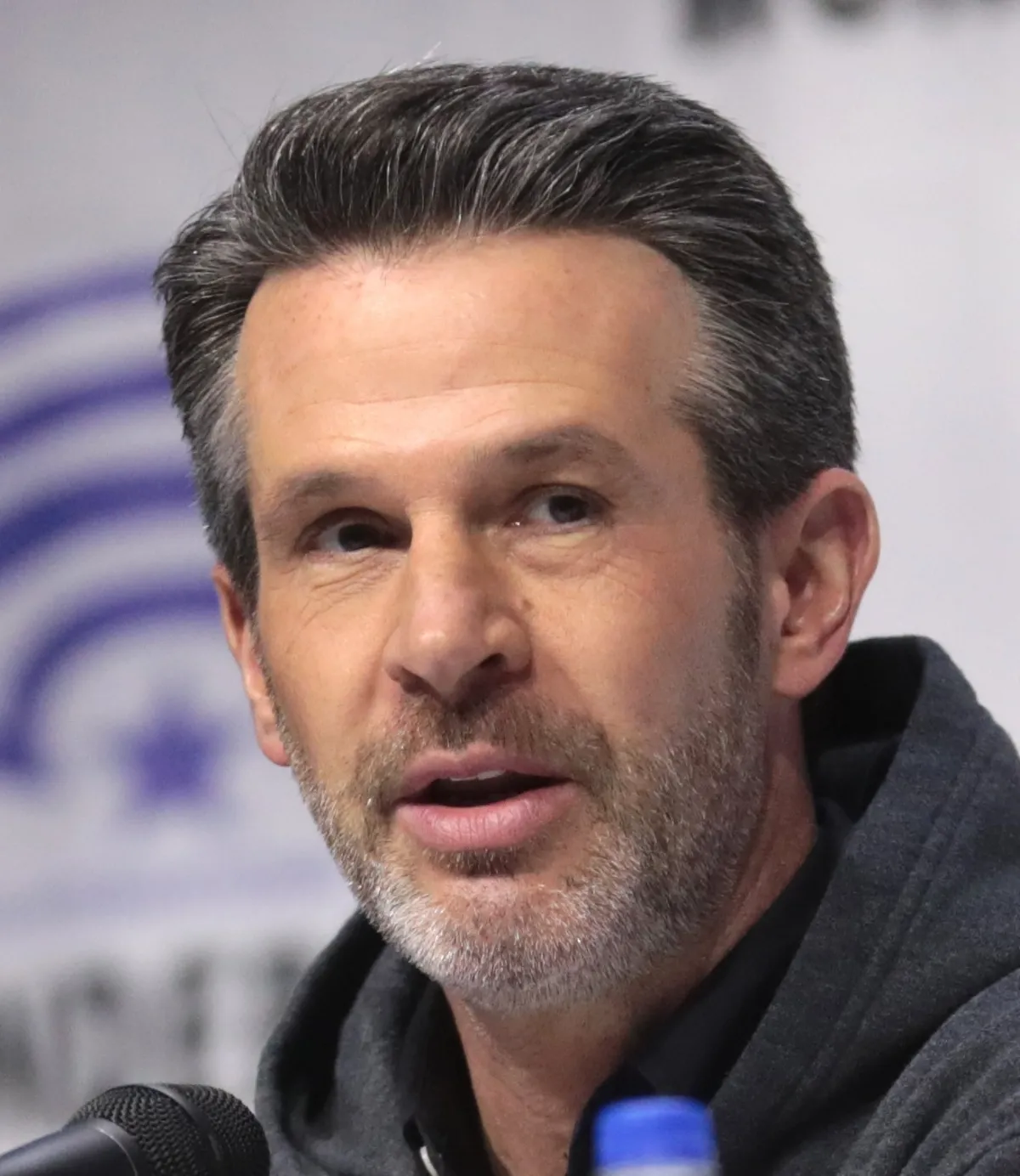
Bringing in Simon Kinberg, a staple of top‑tier Hollywood Sci‑Fi, makes it clear this project isn’t playing small. Credit: Wikimedia
Watts's attachment is similarly substantive. He co-created and showran Star Wars: Skeleton Crew for Disney+ in 2024, making him one of the few directors in Lucasfilm's modern history to have both a streaming series and a theatrical film in development simultaneously. Disney Fanatic's analysis notes that Watts was Kathleen Kennedy's personal choice before her departure as Lucasfilm president, a detail that adds political complexity to the project's status under incoming leadership.
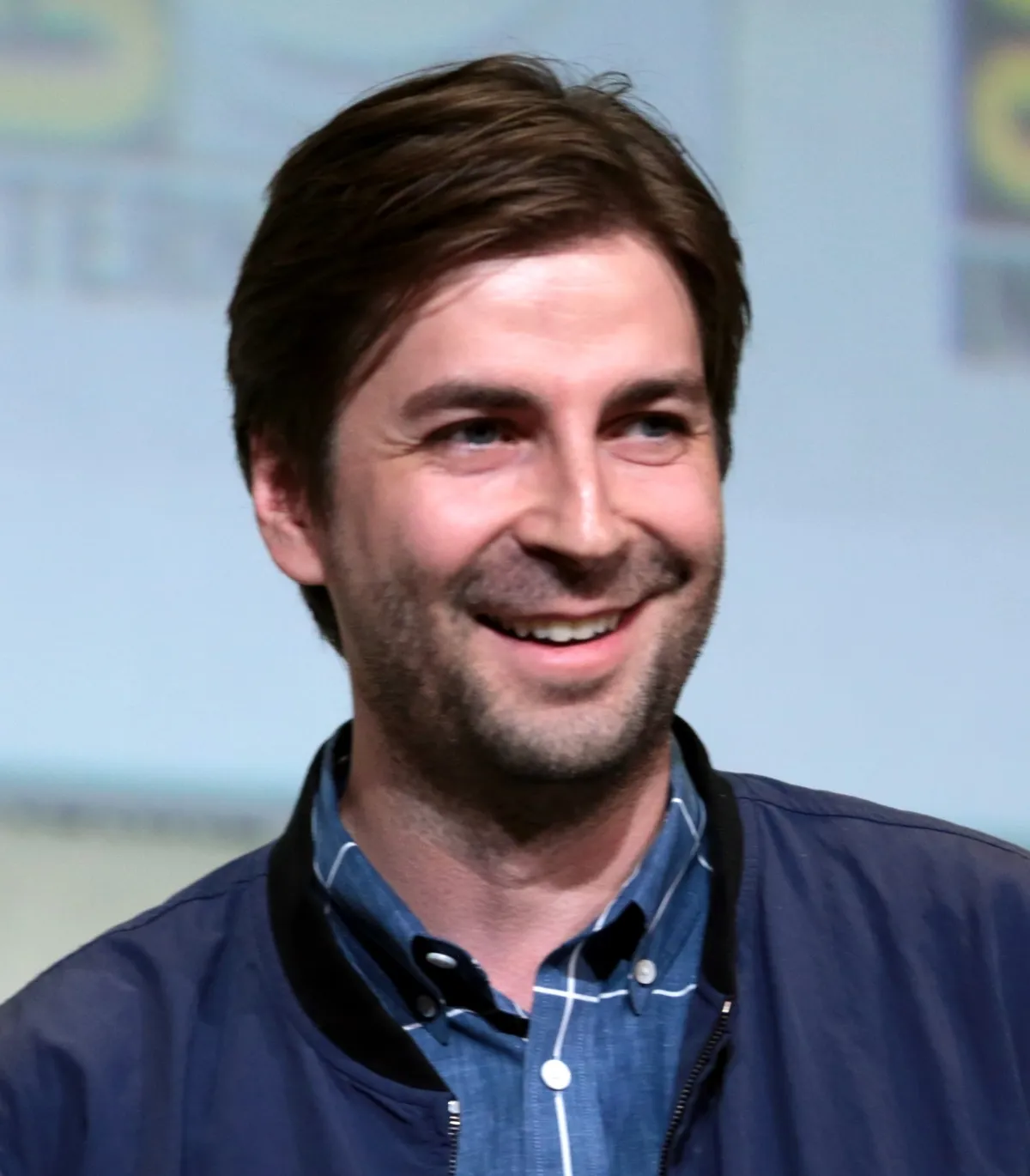
After proving himself across multiple Star Wars projects for Disney, Jon Watts has more than earned the clout to bring this story to the big screen. Credit: Wikimedia
The reports also confirm that Rey will appear "in some capacity," though whether Daisy Ridley reprises the role or the character is recast remains undetermined. LRM Online adds that the earliest plausible release window is 2028, given Disney's existing theatrical commitments.
The Boardroom Strikes Back: Why 'In Development' Is Not 'Greenlit'
In studio economics, the gap between "in development" and "greenlit" is measured not in months but in hundreds of millions of dollars. A greenlit film has an approved budget, a confirmed release date, and a contractual obligation from the parent studio to finance production. An in-development project has a writer, sometimes a director, and a mandate to continue exploring — with no guarantee of advancement.
Disney's theatrical strategy has shifted decisively since 2019. Where the studio once released one Star Wars film annually, it now treats the franchise as event cinema. Star Wars: Starfighter, directed by Shawn Levy and starring Ryan Gosling, is the only confirmed theatrical release, scheduled for 28 May 2027. Beyond that, Disney's 2027-2028 theatrical slate includes Marvel's Avengers: Doomsday (18 December 2026), live-action remakes, and Pixar originals — all competing for the same marketing capital and production resources.
The leadership transition compounds the uncertainty. Kathleen Kennedy departed Lucasfilm in early 2026 after a 12-year tenure. Dave Filoni, the animated-series architect now elevated to chief creative officer, and Lynwen Brennan, managing director, have assumed day-to-day authority. Disney Fanatic reports that the new leadership is "re-evaluating the entire theatrical slate," which places every un-greenlit project — including Episode X — in provisional status.
The Clone Wars: The Queue Ahead of Episode X
Even if Disney greenlights Episode X tomorrow, the theatrical queue is crowded. Beyond Starfighter (May 2027), Lucasfilm has publicly acknowledged:
James Mangold's Dawn of the Jedi: A film set 25,000 years before the Skywalker Saga, reportedly in earlier development stages than Episode X.
The Rey sequel: Originally announced with director Sharmeen Obaid-Chinoy, its status is now unclear; some outlets speculate it has been absorbed into the Kinberg trilogy.
Rian Johnson's trilogy: Announced in 2017, still without a script or timeline.
Disney has never released two Star Wars theatrical films within twelve months. At minimum, Episode X would follow Starfighter by at least a year, pushing it to 2028 at the earliest — a full nine years after The Rise of Skywalker. For context, the gap between Revenge of the Sith (2005) and The Force Awakens (2015) was ten years, and that hiatus required a complete corporate handover from George Lucas to Disney.
A New Hope: What Could Still Save Episode X
The project is not dead. It is stalled at the gate. Several factors could accelerate it:
Watts's streaming credibility: If Skeleton Crew Season 2 (unconfirmed but likely) performs strongly on Disney+, Watts becomes harder for the studio to refuse. Streaming success has become Disney's primary talent evaluation metric.
Kinberg's script delivery: A completed screenplay that satisfies both Filoni's creative vision and Disney's franchise-management algorithms would remove the largest procedural obstacle.
Theatrical market recovery: If Starfighter exceeds box-office projections in 2027, Disney may greenlight a companion project immediately rather than waiting.
Competitive pressure: Warner Bros.' Dune: Part Three (18 December 2026) and Amazon's Blade Runner 2099 (25 November 2026) are establishing that premium space sci-fi can still command theatrical audiences. Disney cannot cede this territory indefinitely.
For space sci-fi as a genre, the stakes extend beyond one film. Star Wars is the only franchise with the cultural weight to sustain nine-figure theatrical budgets for original space opera. If Episode X never graduates from development, the theatrical space sci-fi landscape loses its most reliable tentpole — and the genre's mainstream future becomes increasingly confined to streaming budgets and mid-tier productions.
The question that matters is not whether Jon Watts can direct Star Wars. He can. The question is whether Disney's theatrical division believes there is still a galaxy far, far away worth the price of admission.
Further Reading:
The Hollywood Reporter: Jon Watts to Direct Star Wars Episode X
Inverse: Star Wars Episode X Cast, Director, Writer, Timeline Explained
Disney Fanatic: Lucasfilm Replaces Entire Star Wars Movie Slate
SciNexic.com may earn a commission through affiliate links, ensuring continued cosmic content.
On 28 September 2026, the entertainment press celebrated a Star Wars announcement that does not, strictly speaking, exist. The Hollywood Reporter broke the story: Jon Watts, the director who turned Tom Holland's Spider-Man into a nearly £3 billion trilogy (approximately £2.96 billion across three films), would helm the next chapter of the Skywalker Saga. Simon Kinberg, architect of Fox's X-Men franchise and consultant on The Force Awakens, had been writing the screenplay since 2024. The narrative practically wrote itself — Star Wars was returning to its saga roots with proven blockbuster talent. But there was a word missing from almost every headline, a distinction that separates Hollywood fantasy from corporate reality: greenlit. Disney has not greenlit Star Wars: Episode X. Watts is attached. Kinberg is writing. The project is, by Lucasfilm's own internal accounting, the "furthest along" of all announced theatrical films. And yet — as Inverse, Gizmodo, and Rolling Stone all confirmed in the same 24-hour cycle — the film exists in development, not in production. For space sci-fi's most consequential franchise, that distinction is not bureaucratic nuance. It is the difference between a film audiences will see and a film that lives only in press releases.
The Phantom Menace: What Actually Got Announced
The reporting is not wrong. It is merely incomplete. Lucasfilm has indeed been developing a new trilogy intended to continue the Skywalker Saga after The Rise of Skywalker (2019). According to That Park Place, the project emerged from Kinberg's long-standing relationship with the studio — he co-created Star Wars Rebels and consulted on The Force Awakens — and represents a deliberate return to the numbered-episode format that Disney abandoned after Episode IX underperformed commercially and critically (£830 million worldwide against a £380 million production budget, the lowest-grossing saga film since Attack of the Clones in 2002, adjusted for inflation).
Bringing in Simon Kinberg, a staple of top‑tier Hollywood Sci‑Fi, makes it clear this project isn’t playing small. Credit: Wikimedia
Watts's attachment is similarly substantive. He co-created and showran Star Wars: Skeleton Crew for Disney+ in 2024, making him one of the few directors in Lucasfilm's modern history to have both a streaming series and a theatrical film in development simultaneously. Disney Fanatic's analysis notes that Watts was Kathleen Kennedy's personal choice before her departure as Lucasfilm president, a detail that adds political complexity to the project's status under incoming leadership.
After proving himself across multiple Star Wars projects for Disney, Jon Watts has more than earned the clout to bring this story to the big screen. Credit: Wikimedia
The reports also confirm that Rey will appear "in some capacity," though whether Daisy Ridley reprises the role or the character is recast remains undetermined. LRM Online adds that the earliest plausible release window is 2028, given Disney's existing theatrical commitments.
The Boardroom Strikes Back: Why 'In Development' Is Not 'Greenlit'
In studio economics, the gap between "in development" and "greenlit" is measured not in months but in hundreds of millions of dollars. A greenlit film has an approved budget, a confirmed release date, and a contractual obligation from the parent studio to finance production. An in-development project has a writer, sometimes a director, and a mandate to continue exploring — with no guarantee of advancement.
Disney's theatrical strategy has shifted decisively since 2019. Where the studio once released one Star Wars film annually, it now treats the franchise as event cinema. Star Wars: Starfighter, directed by Shawn Levy and starring Ryan Gosling, is the only confirmed theatrical release, scheduled for 28 May 2027. Beyond that, Disney's 2027-2028 theatrical slate includes Marvel's Avengers: Doomsday (18 December 2026), live-action remakes, and Pixar originals — all competing for the same marketing capital and production resources.
The leadership transition compounds the uncertainty. Kathleen Kennedy departed Lucasfilm in early 2026 after a 12-year tenure. Dave Filoni, the animated-series architect now elevated to chief creative officer, and Lynwen Brennan, managing director, have assumed day-to-day authority. Disney Fanatic reports that the new leadership is "re-evaluating the entire theatrical slate," which places every un-greenlit project — including Episode X — in provisional status.
The Clone Wars: The Queue Ahead of Episode X
Even if Disney greenlights Episode X tomorrow, the theatrical queue is crowded. Beyond Starfighter (May 2027), Lucasfilm has publicly acknowledged:
James Mangold's Dawn of the Jedi: A film set 25,000 years before the Skywalker Saga, reportedly in earlier development stages than Episode X.
The Rey sequel: Originally announced with director Sharmeen Obaid-Chinoy, its status is now unclear; some outlets speculate it has been absorbed into the Kinberg trilogy.
Rian Johnson's trilogy: Announced in 2017, still without a script or timeline.
Disney has never released two Star Wars theatrical films within twelve months. At minimum, Episode X would follow Starfighter by at least a year, pushing it to 2028 at the earliest — a full nine years after The Rise of Skywalker. For context, the gap between Revenge of the Sith (2005) and The Force Awakens (2015) was ten years, and that hiatus required a complete corporate handover from George Lucas to Disney.
A New Hope: What Could Still Save Episode X
The project is not dead. It is stalled at the gate. Several factors could accelerate it:
Watts's streaming credibility: If Skeleton Crew Season 2 (unconfirmed but likely) performs strongly on Disney+, Watts becomes harder for the studio to refuse. Streaming success has become Disney's primary talent evaluation metric.
Kinberg's script delivery: A completed screenplay that satisfies both Filoni's creative vision and Disney's franchise-management algorithms would remove the largest procedural obstacle.
Theatrical market recovery: If Starfighter exceeds box-office projections in 2027, Disney may greenlight a companion project immediately rather than waiting.
Competitive pressure: Warner Bros.' Dune: Part Three (18 December 2026) and Amazon's Blade Runner 2099 (25 November 2026) are establishing that premium space sci-fi can still command theatrical audiences. Disney cannot cede this territory indefinitely.
For space sci-fi as a genre, the stakes extend beyond one film. Star Wars is the only franchise with the cultural weight to sustain nine-figure theatrical budgets for original space opera. If Episode X never graduates from development, the theatrical space sci-fi landscape loses its most reliable tentpole — and the genre's mainstream future becomes increasingly confined to streaming budgets and mid-tier productions.
The question that matters is not whether Jon Watts can direct Star Wars. He can. The question is whether Disney's theatrical division believes there is still a galaxy far, far away worth the price of admission.
Further Reading:
The Hollywood Reporter: Jon Watts to Direct Star Wars Episode X
Inverse: Star Wars Episode X Cast, Director, Writer, Timeline Explained
Disney Fanatic: Lucasfilm Replaces Entire Star Wars Movie Slate
SciNexic.com may earn a commission through affiliate links, ensuring continued cosmic content.
On 28 September 2026, the entertainment press celebrated a Star Wars announcement that does not, strictly speaking, exist. The Hollywood Reporter broke the story: Jon Watts, the director who turned Tom Holland's Spider-Man into a nearly £3 billion trilogy (approximately £2.96 billion across three films), would helm the next chapter of the Skywalker Saga. Simon Kinberg, architect of Fox's X-Men franchise and consultant on The Force Awakens, had been writing the screenplay since 2024. The narrative practically wrote itself — Star Wars was returning to its saga roots with proven blockbuster talent. But there was a word missing from almost every headline, a distinction that separates Hollywood fantasy from corporate reality: greenlit. Disney has not greenlit Star Wars: Episode X. Watts is attached. Kinberg is writing. The project is, by Lucasfilm's own internal accounting, the "furthest along" of all announced theatrical films. And yet — as Inverse, Gizmodo, and Rolling Stone all confirmed in the same 24-hour cycle — the film exists in development, not in production. For space sci-fi's most consequential franchise, that distinction is not bureaucratic nuance. It is the difference between a film audiences will see and a film that lives only in press releases.
The Phantom Menace: What Actually Got Announced
The reporting is not wrong. It is merely incomplete. Lucasfilm has indeed been developing a new trilogy intended to continue the Skywalker Saga after The Rise of Skywalker (2019). According to That Park Place, the project emerged from Kinberg's long-standing relationship with the studio — he co-created Star Wars Rebels and consulted on The Force Awakens — and represents a deliberate return to the numbered-episode format that Disney abandoned after Episode IX underperformed commercially and critically (£830 million worldwide against a £380 million production budget, the lowest-grossing saga film since Attack of the Clones in 2002, adjusted for inflation).
Bringing in Simon Kinberg, a staple of top‑tier Hollywood Sci‑Fi, makes it clear this project isn’t playing small. Credit: Wikimedia
Watts's attachment is similarly substantive. He co-created and showran Star Wars: Skeleton Crew for Disney+ in 2024, making him one of the few directors in Lucasfilm's modern history to have both a streaming series and a theatrical film in development simultaneously. Disney Fanatic's analysis notes that Watts was Kathleen Kennedy's personal choice before her departure as Lucasfilm president, a detail that adds political complexity to the project's status under incoming leadership.
After proving himself across multiple Star Wars projects for Disney, Jon Watts has more than earned the clout to bring this story to the big screen. Credit: Wikimedia
The reports also confirm that Rey will appear "in some capacity," though whether Daisy Ridley reprises the role or the character is recast remains undetermined. LRM Online adds that the earliest plausible release window is 2028, given Disney's existing theatrical commitments.
The Boardroom Strikes Back: Why 'In Development' Is Not 'Greenlit'
In studio economics, the gap between "in development" and "greenlit" is measured not in months but in hundreds of millions of dollars. A greenlit film has an approved budget, a confirmed release date, and a contractual obligation from the parent studio to finance production. An in-development project has a writer, sometimes a director, and a mandate to continue exploring — with no guarantee of advancement.
Disney's theatrical strategy has shifted decisively since 2019. Where the studio once released one Star Wars film annually, it now treats the franchise as event cinema. Star Wars: Starfighter, directed by Shawn Levy and starring Ryan Gosling, is the only confirmed theatrical release, scheduled for 28 May 2027. Beyond that, Disney's 2027-2028 theatrical slate includes Marvel's Avengers: Doomsday (18 December 2026), live-action remakes, and Pixar originals — all competing for the same marketing capital and production resources.
The leadership transition compounds the uncertainty. Kathleen Kennedy departed Lucasfilm in early 2026 after a 12-year tenure. Dave Filoni, the animated-series architect now elevated to chief creative officer, and Lynwen Brennan, managing director, have assumed day-to-day authority. Disney Fanatic reports that the new leadership is "re-evaluating the entire theatrical slate," which places every un-greenlit project — including Episode X — in provisional status.
The Clone Wars: The Queue Ahead of Episode X
Even if Disney greenlights Episode X tomorrow, the theatrical queue is crowded. Beyond Starfighter (May 2027), Lucasfilm has publicly acknowledged:
James Mangold's Dawn of the Jedi: A film set 25,000 years before the Skywalker Saga, reportedly in earlier development stages than Episode X.
The Rey sequel: Originally announced with director Sharmeen Obaid-Chinoy, its status is now unclear; some outlets speculate it has been absorbed into the Kinberg trilogy.
Rian Johnson's trilogy: Announced in 2017, still without a script or timeline.
Disney has never released two Star Wars theatrical films within twelve months. At minimum, Episode X would follow Starfighter by at least a year, pushing it to 2028 at the earliest — a full nine years after The Rise of Skywalker. For context, the gap between Revenge of the Sith (2005) and The Force Awakens (2015) was ten years, and that hiatus required a complete corporate handover from George Lucas to Disney.
A New Hope: What Could Still Save Episode X
The project is not dead. It is stalled at the gate. Several factors could accelerate it:
Watts's streaming credibility: If Skeleton Crew Season 2 (unconfirmed but likely) performs strongly on Disney+, Watts becomes harder for the studio to refuse. Streaming success has become Disney's primary talent evaluation metric.
Kinberg's script delivery: A completed screenplay that satisfies both Filoni's creative vision and Disney's franchise-management algorithms would remove the largest procedural obstacle.
Theatrical market recovery: If Starfighter exceeds box-office projections in 2027, Disney may greenlight a companion project immediately rather than waiting.
Competitive pressure: Warner Bros.' Dune: Part Three (18 December 2026) and Amazon's Blade Runner 2099 (25 November 2026) are establishing that premium space sci-fi can still command theatrical audiences. Disney cannot cede this territory indefinitely.
For space sci-fi as a genre, the stakes extend beyond one film. Star Wars is the only franchise with the cultural weight to sustain nine-figure theatrical budgets for original space opera. If Episode X never graduates from development, the theatrical space sci-fi landscape loses its most reliable tentpole — and the genre's mainstream future becomes increasingly confined to streaming budgets and mid-tier productions.
The question that matters is not whether Jon Watts can direct Star Wars. He can. The question is whether Disney's theatrical division believes there is still a galaxy far, far away worth the price of admission.
Further Reading:
The Hollywood Reporter: Jon Watts to Direct Star Wars Episode X
Inverse: Star Wars Episode X Cast, Director, Writer, Timeline Explained
Disney Fanatic: Lucasfilm Replaces Entire Star Wars Movie Slate
SciNexic.com may earn a commission through affiliate links, ensuring continued cosmic content.
Image Gallery
Comments
Please be kind and considerate. Any abusive or offensive comments will be sent out the airlock! Thank You.
Please be kind and considerate. Any abusive or offensive comments will be sent out the airlock! Thank You.
Join the SciNexic Crew
Related Posts


Share on Instagram
Share on Instagram
Banner Image - Disney Studios, LucasFilm, Star Wars logo collage - www.avid.wiki - seeklogo.com - Copyright: All images remain the property of the producers and I.P. owners.
Main Article - All images and media are the property of their respective owners.