


The SciNexic Files
The SciNexic Files
The SciNexic Files
Icons
Beyond the Pages: Isaac Asimov's Profound Impact on Science and Technology
Isaac Asimov, the legendary science fiction writer, not only captivated readers with his imaginative stories but also left an indelible mark on the world of science and technology. Beyond his compelling narratives, Asimov's influence extends to real-life advancements, making him a true visionary ahead of his time. In this article, we delve into the profound impact Asimov had on shaping our understanding of the future and how his ideas continue to resonate today.
1. The Foundation of Knowledge: Predictive Sciences and Psychohistory
One of Asimov's most influential works is the Foundation series, which introduced the concept of psychohistory. Psychohistory combines history, mathematics, and social sciences to predict the future behaviour of large populations. Although purely fictional, this concept inspired thinkers and researchers to explore the potential of quantitative social sciences and predictive analytics. Today, we witness the seeds of Asimov's vision in fields such as computational social sciences, data-driven decision-making, and predictive modelling.
2. The Robot Revolution: Ethical Considerations and the Three Laws of Robotics
Asimov's famous Three Laws of Robotics have become a cornerstone of ethical considerations in the development of artificial intelligence and robotics. Through his stories, Asimov explored the complex dynamics between humans and intelligent machines, grappling with questions of morality, responsibility, and the boundaries of technology. As we navigate the era of AI and robotics, researchers and engineers draw inspiration from Asimov's principles to shape the ethical development and deployment of intelligent systems.
3. The Galactic Encyclopaedia: Information Age and Democratization of Knowledge
In Asimov's epic series, "Foundation," he envisioned a vast encyclopaedia that contained the sum of all human knowledge. Today, we can't help but draw parallels to the internet and the wealth of information available at our fingertips. Asimov's vision of a comprehensive repository of knowledge foreshadowed the digital age and the democratization of information. The internet has revolutionized the way we learn, research, and share knowledge, aligning with Asimov's vision of a future where knowledge is accessible to all.
4. The Rise of Robotics: Humanoid Machines and Advanced Automation
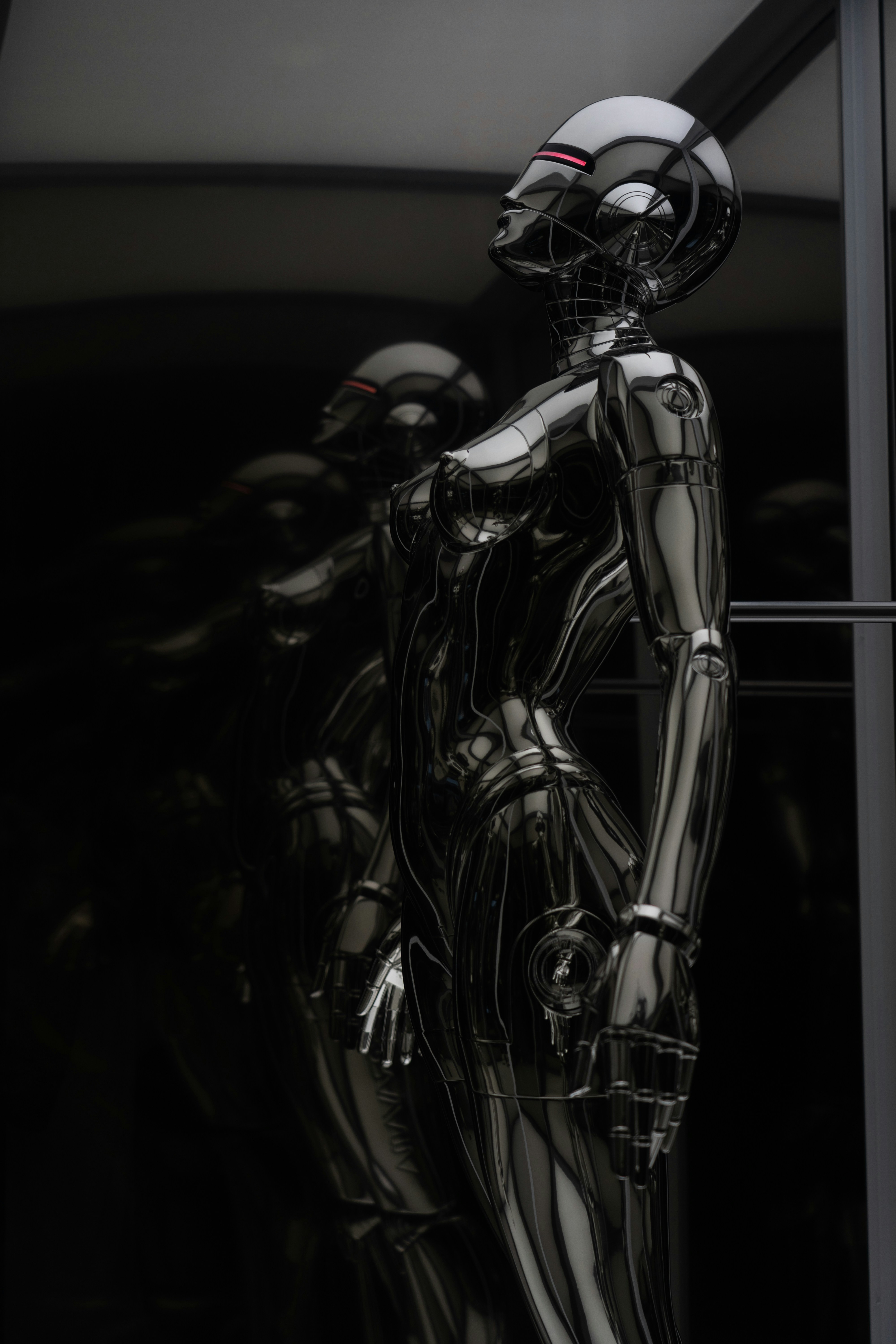
Asimov's portrayal of humanoid robots challenged conventional notions of what machines could achieve. His stories explored the potential of robots as companions, caretakers, and even partners. Today, we see the influence of Asimov's ideas in the development of advanced robotics. Surgical robots assist in delicate procedures, social robots provide companionship to the elderly, and industrial robots automate complex manufacturing processes. Asimov's work continues to inspire researchers to push the boundaries of robotic technology and explore new frontiers in human-robot interaction.
5. The Legacy Lives On: Asimov's Enduring Influence
Isaac Asimov may have passed away, but his ideas and imagination continue to shape the future. His influence can be felt in the works of countless authors, filmmakers, and scientists who have been inspired by his vision. Asimov's impact resonates in the ongoing exploration of space, the advancement of artificial intelligence, and the pursuit of knowledge. His stories have become timeless classics, ensuring that his legacy lives on for generations to come, inspiring future generations to dream, create, and explore the frontiers of science, technology, and human imagination.
Isaac Asimov, the master of science fiction, not only entertained us with his captivating stories but also left an enduring impact on the world of science and technology. His visionary ideas continue to shape our understanding of the future and inspire researchers, engineers, and dreamers to push the boundaries of what is possible. Asimov's profound influence on predictive sciences, ethical considerations in robotics, the democratization of knowledge, and the rise of advanced automation solidifies his place as one of the greatest visionaries of our time. Asimov's legacy serves as a reminder that fiction has the power to shape reality and that the world of science and technology owes a great deal to this extraordinary visionary.
Get the SciNexic Dispatch
Space sci-fi news, reviews, trailers, and release picks—straight to your inbox.
Get the dispatch
Image Gallery
Comments
Please be kind and considerate. Any abusive or offensive comments will be sent out the airlock! Thank You.
Please be kind and considerate. Any abusive or offensive comments will be sent out the airlock! Thank You.
Get the Dispatch
Related Posts
Share on Instagram