


The SciNexic Files
The SciNexic Files
The SciNexic Files
Review

The Ark Season 3: A Space Sci-Fi Underdog Finds Its Mission
Spoilers through episode seven, “I Have Nightmares”.
Getting humanity to another planet is one thing. Going back for everyone left behind? That is where the adventure gets interesting.
The Ark season 3 has not disappointed. From the terrors on Ross 128B to the mysteries surrounding Homebase, the series has embraced its search-and-rescue direction with welcome ambition. The shift anticipated in SciNexic’s season-three preview is delivering something more engaging than another struggle to keep the oxygen flowing: a mission worth taking risks for.
It is not a flawless transformation. But the season has been surprisingly novel in places, giving space sci-fi fans an increasingly compelling underdog to champion.
Ross 128B: When Rescue Becomes Something Stranger
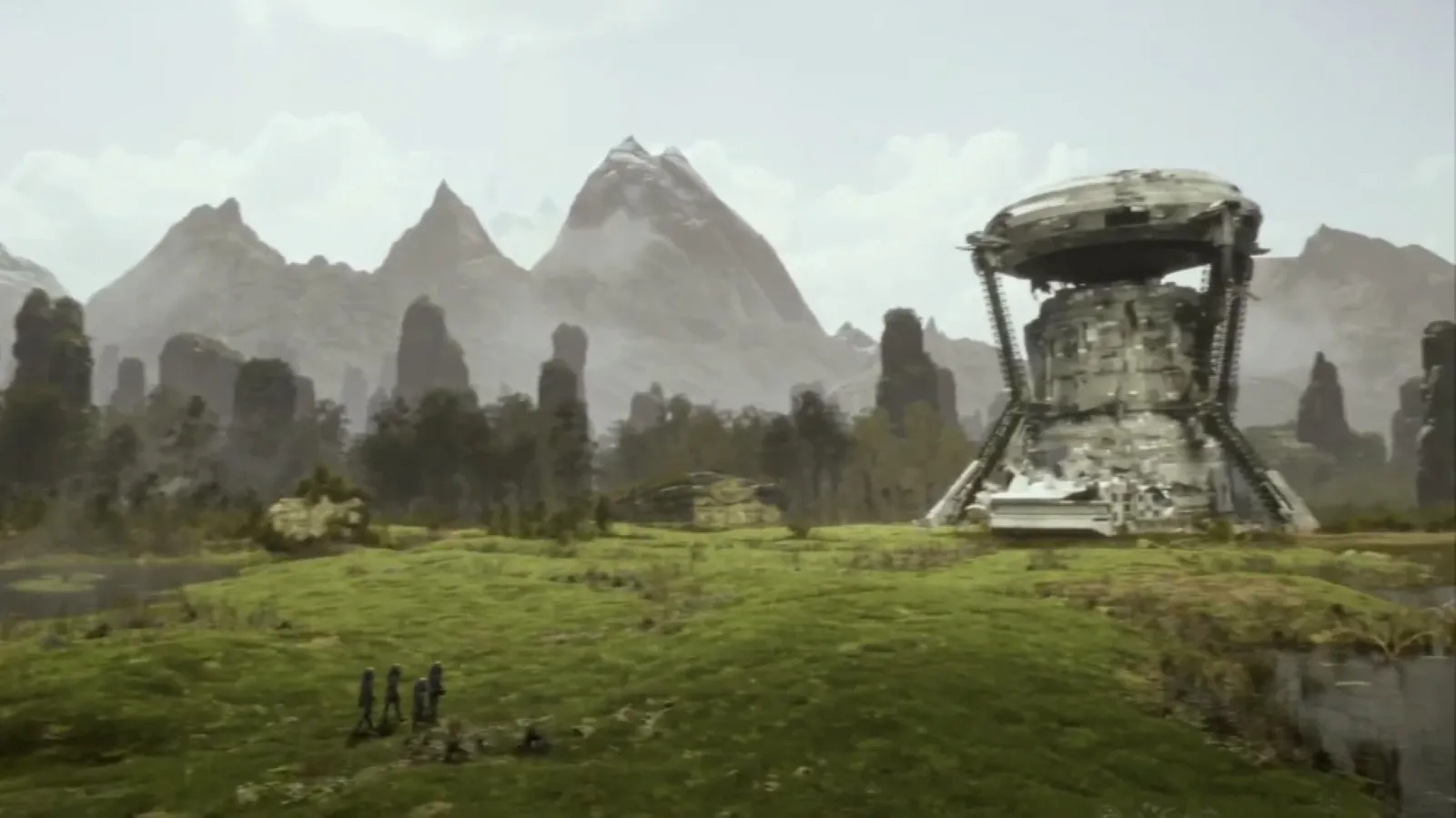
The fall of Ross 128B sets the stage for a brutal, high‑stakes season where alien threats hit closer than ever. Credit: The-Ark.fandom.com
Ross 128B initially supplies a primal kind of danger: an unfamiliar world, terrifying creatures and explorers suddenly out of their depth. Yet Brice’s disappearance and eventual rescue push the storyline beyond a straightforward monster encounter. The underground bunker, its resemblance to the structure on Homebase and the strange circumstances of his survival turn recovery into a much larger question.
Finding somebody alive does not necessarily mean bringing them back unchanged.
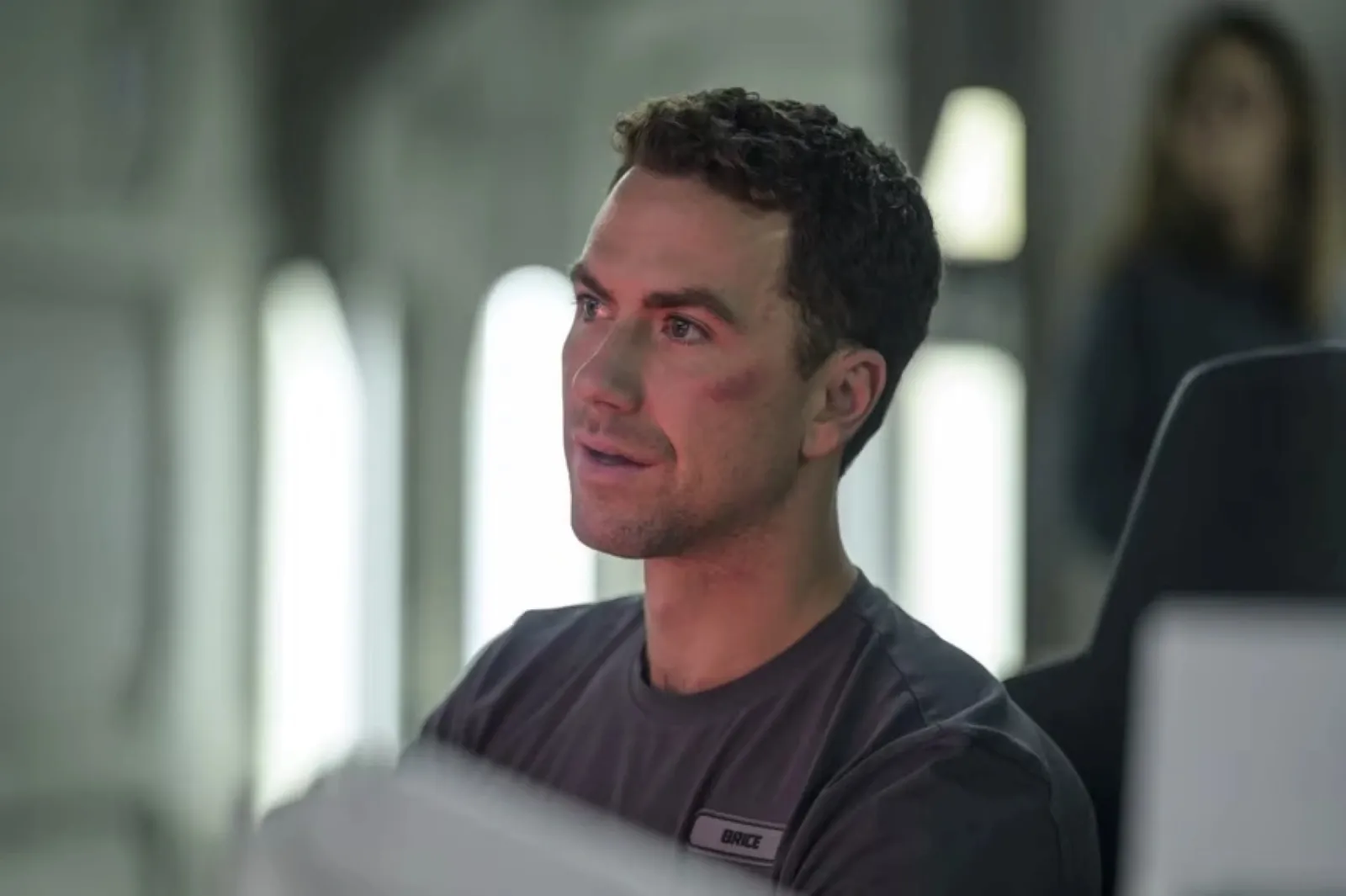
Brice’s demise and unexpected comeback set a raw, emotional undercurrent that defines Season 3 from the outset. Credit: The-Ark.fandom.com
That is where the storyline becomes genuinely intriguing. Rescue is not merely an excuse to visit another planet; it exposes the crew to processes they do not understand. The danger persists after the immediate emergency, giving the adventure consequences rather than a convenient reset.
Homebase: A Home, Not Necessarily a Haven
Homebase provides the counterpoint. Explosions, investigations and discoveries about the planet’s past steadily undermine the reassurance its name promises. The colony is not simply somewhere for supporting characters to wait while Garnet handles the exciting material. It has problems of its own.
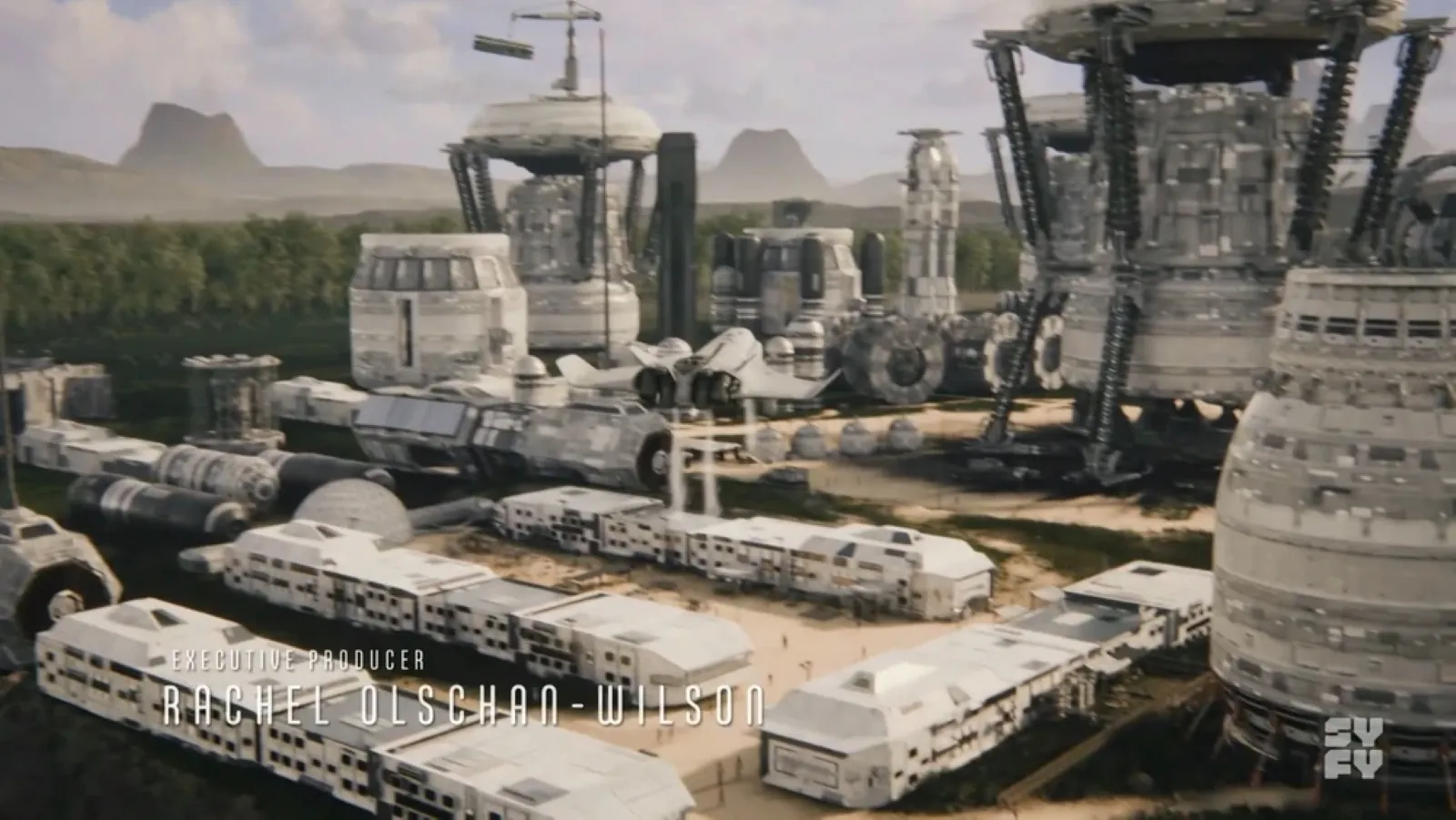
Screen shot of a shuttle approaching Homebase, the apparent new home for any survivors from Earth, will the colony last though? Credit: The-Ark.fandom.com
The contrast works because the two settings ask different questions. Ark One must decide how far to venture into danger. Homebase must establish whether apparent safety can be trusted.
The balance is not always even, and accumulating mysteries can delay satisfaction. Nevertheless, dividing the story between rescue and settlement gives the season both immediate objectives and longer-term intrigue.
Bigger Environments, More Ambitious Visuals
The expanded setting also gives The Ark a welcome visual release. Planetary environments and colony life break up the enclosed spaceship interiors; in TV Insider’s interview, Christie Burke specifically welcomed getting off the grey ship and seeing trees.
Those familiar interiors still matter. The bridge, airlocks, corridors and engineering spaces provide a recognisable working environment. Set-construction company CDPC documents the physical construction and decorative elements, crediting Nikola Bercek as production designer for seasons two and three.
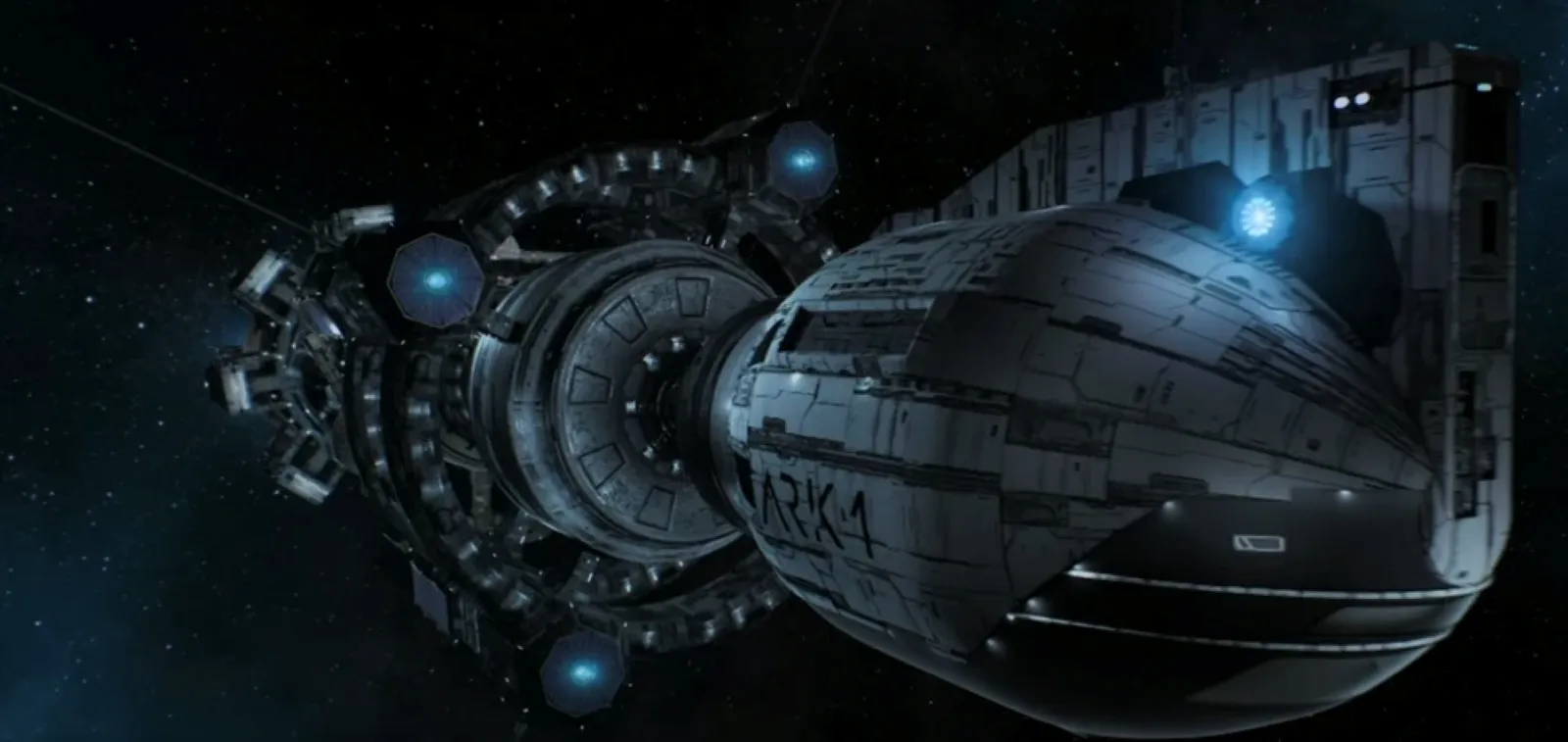
The graphics and renders from this season do seem to be a little more polished. Credit: The-Ark.fandom.com
The VFX expansion is equally tangible. Dean Devlin told Space.com that Serbian effects company Fried was joined by a Los Angeles team to accommodate more shots. Writer Jeff Spry also highlighted the broader effects range.
The benefit is not spectacle for its own sake. Creatures, unfamiliar environments and discoveries give the crew something new to confront. The universe feels less like a destination described on a monitor and more like somewhere they must physically navigate.
Technology With Personal Consequences
The technology is becoming more interesting because it does more than break down.
Faster-than-light travel allows movement between Homebase and rescue operations, keeping the divided ensemble connected. Devlin identifies that flexibility as central to the season’s construction.
Cloning and the unsettling and unexplained circumstances of Brice’s recovery introduce a more personal question: what happens when the technology keeping somebody alive also challenges their understanding of themselves?
This is adventure-led science fiction, not a rigorous engineering simulation. Its strongest ideas generate uncomfortable choices rather than simply providing impressive terminology.
A Familiar Crew Facing Unfamiliar Questions
Garnet receives the most consequential development. Learning that she is a Gen 3 clone complicates her identity and rescue priorities. Burke’s SYFY interview about the revelation connects that discovery to her sister and unresolved trauma. Her mission becomes personal without ceasing to be humanitarian.
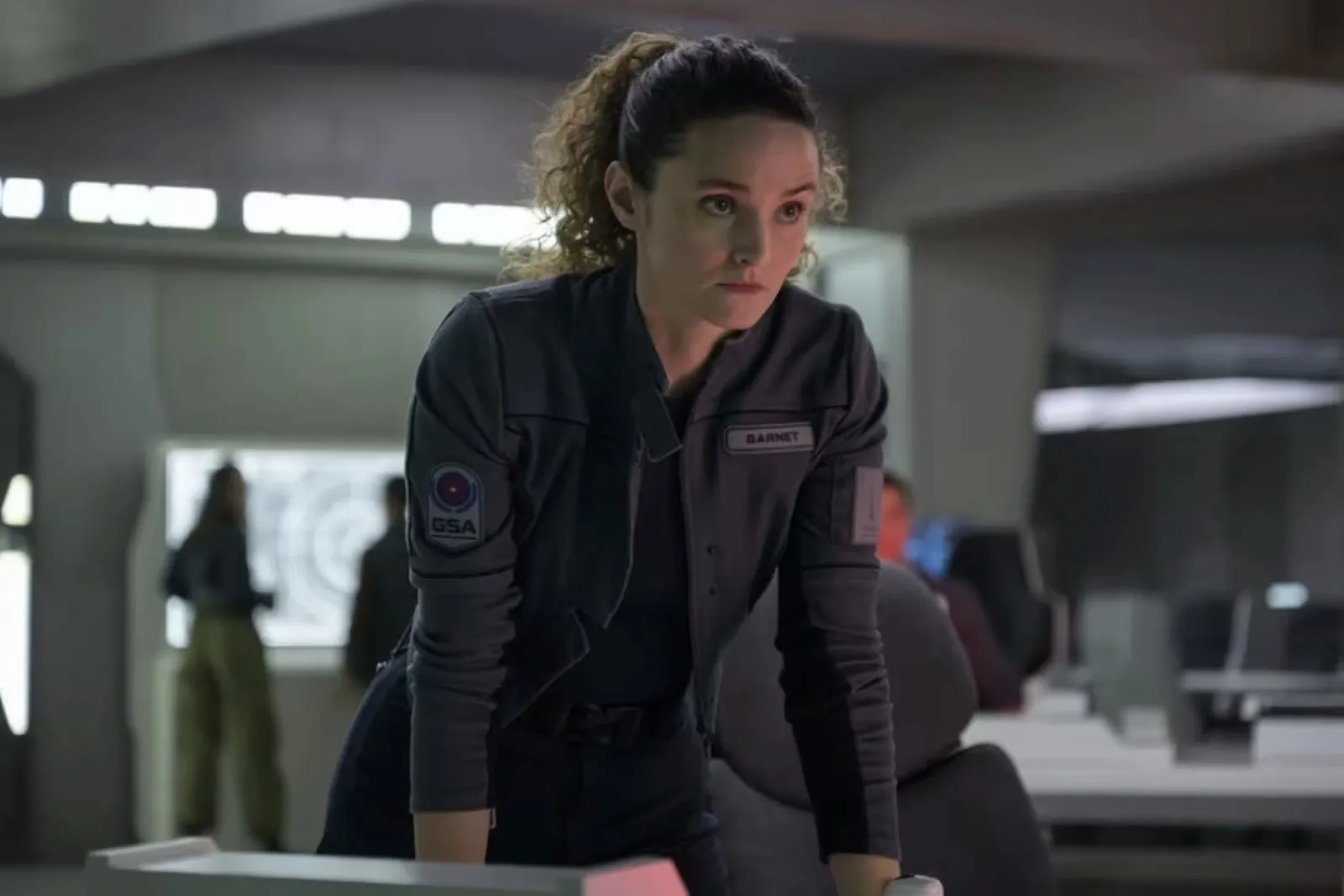
Having earned her place at the helm, Captain Garnet leads Ark‑1 with conviction—yet Season 3 forces her into personal conflicts she never saw coming. Credit: SYFY.com

Ian’s oddball introduction quickly gave way to genuine charm, with his light‑hearted wit offering much‑needed relief amid the show’s darker turns. Credit: The-Ark.fandom.com
Ian adds another identity complication. Reece Ritchie’s familiar face does not make him a replacement Spencer Lane, while his shared coma experience with Garnet gives their relationship an unusually complicated history. The premise is richer when it explores that distinction rather than merely prolonging romantic uncertainty.
Eva’s refusal to abandon Brice makes loyalty an active force in the plot. Elsewhere, Alicia and Angus’s research gives their expertise fresh relevance, while the Ark 16 contagion allows Kabir to contribute through medical judgement rather than personal drama alone. The ensemble works best when its different skills genuinely matter.

Eva’s quiet evolution on Homebase is shaped by loss, but her faith in Brice never wavers, driving her to re-join the crew when hope finally sparks on Ross 128B. Credit: The-Ark.fandom.com
New Faces, Complicated Alliances
Admiral Hammond introduces useful friction around authority and trust, although his abrupt departure leaves some potential unexplored. On Homebase, Ves and newly appointed sheriff Milan put faces to the colony’s power struggles. Their suspicious behaviour generates tension, but greater subtlety would make them more convincing.

Ves’s entanglement in Homebase’s darker machinations adds a gripping, conflicting subplot that pushes the mission into far more dangerous territory. Credit: The-Ark.fandom.com
Zed, meanwhile, is a returning character benefiting from greater prominence. Discovering wreckage connected to his son makes the planetary investigation painfully personal. He gives the mystery something more valuable than another clue: somebody whose hopes depend on the answer.
What the Reviews Support
The enthusiasm needs perspective. Rotten Tomatoes records 50% from 14 critics for season one, although The Times awarded 3/5, praising its retro appeal and pace.
For season three, the site lists TV Fanatic’s 4.2/5 for episode five. However, there is no overall season-three Tomatometer score as of September 2026. Positive individual notices should not be mistaken for universal acclaim.
The SciNexic Verdict
The Ark is finding its identity through purposeful exploration, broader environments and characters with more at stake than surviving another emergency.
Not every twist lands. Not every mystery needs another mystery stacked on top. But this season gives its adventures a reason to matter.
The destination is important. So is refusing to leave everyone else behind.
Spoilers through episode seven, “I Have Nightmares”.
Getting humanity to another planet is one thing. Going back for everyone left behind? That is where the adventure gets interesting.
The Ark season 3 has not disappointed. From the terrors on Ross 128B to the mysteries surrounding Homebase, the series has embraced its search-and-rescue direction with welcome ambition. The shift anticipated in SciNexic’s season-three preview is delivering something more engaging than another struggle to keep the oxygen flowing: a mission worth taking risks for.
It is not a flawless transformation. But the season has been surprisingly novel in places, giving space sci-fi fans an increasingly compelling underdog to champion.
Ross 128B: When Rescue Becomes Something Stranger
The fall of Ross 128B sets the stage for a brutal, high‑stakes season where alien threats hit closer than ever. Credit: The-Ark.fandom.com
Ross 128B initially supplies a primal kind of danger: an unfamiliar world, terrifying creatures and explorers suddenly out of their depth. Yet Brice’s disappearance and eventual rescue push the storyline beyond a straightforward monster encounter. The underground bunker, its resemblance to the structure on Homebase and the strange circumstances of his survival turn recovery into a much larger question.
Finding somebody alive does not necessarily mean bringing them back unchanged.
Brice’s demise and unexpected comeback set a raw, emotional undercurrent that defines Season 3 from the outset. Credit: The-Ark.fandom.com
That is where the storyline becomes genuinely intriguing. Rescue is not merely an excuse to visit another planet; it exposes the crew to processes they do not understand. The danger persists after the immediate emergency, giving the adventure consequences rather than a convenient reset.
Homebase: A Home, Not Necessarily a Haven
Homebase provides the counterpoint. Explosions, investigations and discoveries about the planet’s past steadily undermine the reassurance its name promises. The colony is not simply somewhere for supporting characters to wait while Garnet handles the exciting material. It has problems of its own.
Screen shot of a shuttle approaching Homebase, the apparent new home for any survivors from Earth, will the colony last though? Credit: The-Ark.fandom.com
The contrast works because the two settings ask different questions. Ark One must decide how far to venture into danger. Homebase must establish whether apparent safety can be trusted.
The balance is not always even, and accumulating mysteries can delay satisfaction. Nevertheless, dividing the story between rescue and settlement gives the season both immediate objectives and longer-term intrigue.
Bigger Environments, More Ambitious Visuals
The expanded setting also gives The Ark a welcome visual release. Planetary environments and colony life break up the enclosed spaceship interiors; in TV Insider’s interview, Christie Burke specifically welcomed getting off the grey ship and seeing trees.
Those familiar interiors still matter. The bridge, airlocks, corridors and engineering spaces provide a recognisable working environment. Set-construction company CDPC documents the physical construction and decorative elements, crediting Nikola Bercek as production designer for seasons two and three.
The graphics and renders from this season do seem to be a little more polished. Credit: The-Ark.fandom.com
The VFX expansion is equally tangible. Dean Devlin told Space.com that Serbian effects company Fried was joined by a Los Angeles team to accommodate more shots. Writer Jeff Spry also highlighted the broader effects range.
The benefit is not spectacle for its own sake. Creatures, unfamiliar environments and discoveries give the crew something new to confront. The universe feels less like a destination described on a monitor and more like somewhere they must physically navigate.
Technology With Personal Consequences
The technology is becoming more interesting because it does more than break down.
Faster-than-light travel allows movement between Homebase and rescue operations, keeping the divided ensemble connected. Devlin identifies that flexibility as central to the season’s construction.
Cloning and the unsettling and unexplained circumstances of Brice’s recovery introduce a more personal question: what happens when the technology keeping somebody alive also challenges their understanding of themselves?
This is adventure-led science fiction, not a rigorous engineering simulation. Its strongest ideas generate uncomfortable choices rather than simply providing impressive terminology.
A Familiar Crew Facing Unfamiliar Questions
Garnet receives the most consequential development. Learning that she is a Gen 3 clone complicates her identity and rescue priorities. Burke’s SYFY interview about the revelation connects that discovery to her sister and unresolved trauma. Her mission becomes personal without ceasing to be humanitarian.
Having earned her place at the helm, Captain Garnet leads Ark‑1 with conviction—yet Season 3 forces her into personal conflicts she never saw coming. Credit: SYFY.com
Ian’s oddball introduction quickly gave way to genuine charm, with his light‑hearted wit offering much‑needed relief amid the show’s darker turns. Credit: The-Ark.fandom.com
Ian adds another identity complication. Reece Ritchie’s familiar face does not make him a replacement Spencer Lane, while his shared coma experience with Garnet gives their relationship an unusually complicated history. The premise is richer when it explores that distinction rather than merely prolonging romantic uncertainty.
Eva’s refusal to abandon Brice makes loyalty an active force in the plot. Elsewhere, Alicia and Angus’s research gives their expertise fresh relevance, while the Ark 16 contagion allows Kabir to contribute through medical judgement rather than personal drama alone. The ensemble works best when its different skills genuinely matter.
Eva’s quiet evolution on Homebase is shaped by loss, but her faith in Brice never wavers, driving her to re-join the crew when hope finally sparks on Ross 128B. Credit: The-Ark.fandom.com
New Faces, Complicated Alliances
Admiral Hammond introduces useful friction around authority and trust, although his abrupt departure leaves some potential unexplored. On Homebase, Ves and newly appointed sheriff Milan put faces to the colony’s power struggles. Their suspicious behaviour generates tension, but greater subtlety would make them more convincing.
Ves’s entanglement in Homebase’s darker machinations adds a gripping, conflicting subplot that pushes the mission into far more dangerous territory. Credit: The-Ark.fandom.com
Zed, meanwhile, is a returning character benefiting from greater prominence. Discovering wreckage connected to his son makes the planetary investigation painfully personal. He gives the mystery something more valuable than another clue: somebody whose hopes depend on the answer.
What the Reviews Support
The enthusiasm needs perspective. Rotten Tomatoes records 50% from 14 critics for season one, although The Times awarded 3/5, praising its retro appeal and pace.
For season three, the site lists TV Fanatic’s 4.2/5 for episode five. However, there is no overall season-three Tomatometer score as of September 2026. Positive individual notices should not be mistaken for universal acclaim.
The SciNexic Verdict
The Ark is finding its identity through purposeful exploration, broader environments and characters with more at stake than surviving another emergency.
Not every twist lands. Not every mystery needs another mystery stacked on top. But this season gives its adventures a reason to matter.
The destination is important. So is refusing to leave everyone else behind.
Spoilers through episode seven, “I Have Nightmares”.
Getting humanity to another planet is one thing. Going back for everyone left behind? That is where the adventure gets interesting.
The Ark season 3 has not disappointed. From the terrors on Ross 128B to the mysteries surrounding Homebase, the series has embraced its search-and-rescue direction with welcome ambition. The shift anticipated in SciNexic’s season-three preview is delivering something more engaging than another struggle to keep the oxygen flowing: a mission worth taking risks for.
It is not a flawless transformation. But the season has been surprisingly novel in places, giving space sci-fi fans an increasingly compelling underdog to champion.
Ross 128B: When Rescue Becomes Something Stranger
The fall of Ross 128B sets the stage for a brutal, high‑stakes season where alien threats hit closer than ever. Credit: The-Ark.fandom.com
Ross 128B initially supplies a primal kind of danger: an unfamiliar world, terrifying creatures and explorers suddenly out of their depth. Yet Brice’s disappearance and eventual rescue push the storyline beyond a straightforward monster encounter. The underground bunker, its resemblance to the structure on Homebase and the strange circumstances of his survival turn recovery into a much larger question.
Finding somebody alive does not necessarily mean bringing them back unchanged.
Brice’s demise and unexpected comeback set a raw, emotional undercurrent that defines Season 3 from the outset. Credit: The-Ark.fandom.com
That is where the storyline becomes genuinely intriguing. Rescue is not merely an excuse to visit another planet; it exposes the crew to processes they do not understand. The danger persists after the immediate emergency, giving the adventure consequences rather than a convenient reset.
Homebase: A Home, Not Necessarily a Haven
Homebase provides the counterpoint. Explosions, investigations and discoveries about the planet’s past steadily undermine the reassurance its name promises. The colony is not simply somewhere for supporting characters to wait while Garnet handles the exciting material. It has problems of its own.
Screen shot of a shuttle approaching Homebase, the apparent new home for any survivors from Earth, will the colony last though? Credit: The-Ark.fandom.com
The contrast works because the two settings ask different questions. Ark One must decide how far to venture into danger. Homebase must establish whether apparent safety can be trusted.
The balance is not always even, and accumulating mysteries can delay satisfaction. Nevertheless, dividing the story between rescue and settlement gives the season both immediate objectives and longer-term intrigue.
Bigger Environments, More Ambitious Visuals
The expanded setting also gives The Ark a welcome visual release. Planetary environments and colony life break up the enclosed spaceship interiors; in TV Insider’s interview, Christie Burke specifically welcomed getting off the grey ship and seeing trees.
Those familiar interiors still matter. The bridge, airlocks, corridors and engineering spaces provide a recognisable working environment. Set-construction company CDPC documents the physical construction and decorative elements, crediting Nikola Bercek as production designer for seasons two and three.
The graphics and renders from this season do seem to be a little more polished. Credit: The-Ark.fandom.com
The VFX expansion is equally tangible. Dean Devlin told Space.com that Serbian effects company Fried was joined by a Los Angeles team to accommodate more shots. Writer Jeff Spry also highlighted the broader effects range.
The benefit is not spectacle for its own sake. Creatures, unfamiliar environments and discoveries give the crew something new to confront. The universe feels less like a destination described on a monitor and more like somewhere they must physically navigate.
Technology With Personal Consequences
The technology is becoming more interesting because it does more than break down.
Faster-than-light travel allows movement between Homebase and rescue operations, keeping the divided ensemble connected. Devlin identifies that flexibility as central to the season’s construction.
Cloning and the unsettling and unexplained circumstances of Brice’s recovery introduce a more personal question: what happens when the technology keeping somebody alive also challenges their understanding of themselves?
This is adventure-led science fiction, not a rigorous engineering simulation. Its strongest ideas generate uncomfortable choices rather than simply providing impressive terminology.
A Familiar Crew Facing Unfamiliar Questions
Garnet receives the most consequential development. Learning that she is a Gen 3 clone complicates her identity and rescue priorities. Burke’s SYFY interview about the revelation connects that discovery to her sister and unresolved trauma. Her mission becomes personal without ceasing to be humanitarian.
Having earned her place at the helm, Captain Garnet leads Ark‑1 with conviction—yet Season 3 forces her into personal conflicts she never saw coming. Credit: SYFY.com
Ian’s oddball introduction quickly gave way to genuine charm, with his light‑hearted wit offering much‑needed relief amid the show’s darker turns. Credit: The-Ark.fandom.com
Ian adds another identity complication. Reece Ritchie’s familiar face does not make him a replacement Spencer Lane, while his shared coma experience with Garnet gives their relationship an unusually complicated history. The premise is richer when it explores that distinction rather than merely prolonging romantic uncertainty.
Eva’s refusal to abandon Brice makes loyalty an active force in the plot. Elsewhere, Alicia and Angus’s research gives their expertise fresh relevance, while the Ark 16 contagion allows Kabir to contribute through medical judgement rather than personal drama alone. The ensemble works best when its different skills genuinely matter.
Eva’s quiet evolution on Homebase is shaped by loss, but her faith in Brice never wavers, driving her to re-join the crew when hope finally sparks on Ross 128B. Credit: The-Ark.fandom.com
New Faces, Complicated Alliances
Admiral Hammond introduces useful friction around authority and trust, although his abrupt departure leaves some potential unexplored. On Homebase, Ves and newly appointed sheriff Milan put faces to the colony’s power struggles. Their suspicious behaviour generates tension, but greater subtlety would make them more convincing.
Ves’s entanglement in Homebase’s darker machinations adds a gripping, conflicting subplot that pushes the mission into far more dangerous territory. Credit: The-Ark.fandom.com
Zed, meanwhile, is a returning character benefiting from greater prominence. Discovering wreckage connected to his son makes the planetary investigation painfully personal. He gives the mystery something more valuable than another clue: somebody whose hopes depend on the answer.
What the Reviews Support
The enthusiasm needs perspective. Rotten Tomatoes records 50% from 14 critics for season one, although The Times awarded 3/5, praising its retro appeal and pace.
For season three, the site lists TV Fanatic’s 4.2/5 for episode five. However, there is no overall season-three Tomatometer score as of September 2026. Positive individual notices should not be mistaken for universal acclaim.
The SciNexic Verdict
The Ark is finding its identity through purposeful exploration, broader environments and characters with more at stake than surviving another emergency.
Not every twist lands. Not every mystery needs another mystery stacked on top. But this season gives its adventures a reason to matter.
The destination is important. So is refusing to leave everyone else behind.
Image Gallery
Comments
Please be kind and considerate. Any abusive or offensive comments will be sent out the airlock! Thank You.
Please be kind and considerate. Any abusive or offensive comments will be sent out the airlock! Thank You.
Join the SciNexic Crew
Related Posts
Share on Instagram
Share on Instagram
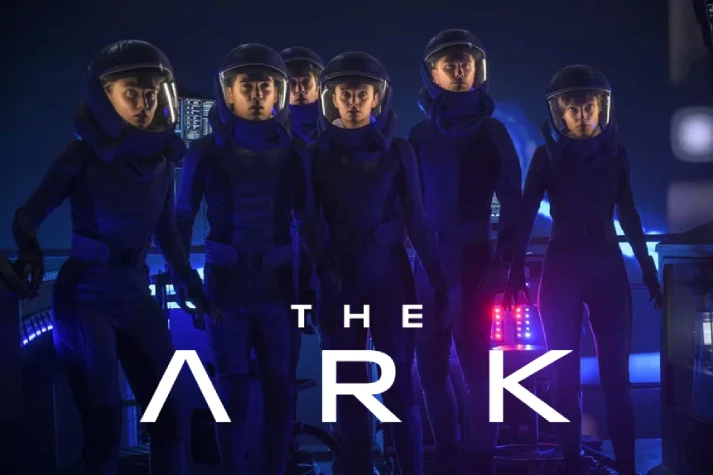
Banner Image - The Ark poster and logo - TMDB.org - Copyright: Versant Media/SYFY
Main Article - All images and media are the property of their respective owners.