


The SciNexic Files
The SciNexic Files
The SciNexic Files
Guides
Best Sci‑Fi Home Cinema Gear: Bring the Final Frontier Home
A spacecraft emerges from darkness. Somewhere behind the crew, a warning sounds. The camera holds on an apparently empty corridor.
Then somebody reaches for the remote because the dialogue is impossible to hear.
The best sci-fi home cinema gear should make a fictional universe easier to inhabit—not give you another system to troubleshoot. Our approach is therefore simple: choose equipment for the room, the films and the way you actually watch.
This is a researched shortlist, not a claim that SciNexic has personally tested every product. The selections cover four complementary roles rather than four upgrades everybody needs.
The Shortlist
Your priority | Product to consider |
|---|---|
A film-and-gaming television | LG OLED evo C6 |
A genuinely large projected image | BenQ W2720i |
Immersive sound without a full AV-receiver installation | Sonos Arc Ultra |
A dedicated player for a physical film library | Panasonic DP-UB820 |
LG OLED evo C6: For Viewers Who Want Space to Look Dark
The LG OLED evo C6 earns consideration through a useful combination of OLED pixel-level dimming, Dolby Vision support and Filmmaker Mode. The UK 55-inch model also supports 4K high-frame-rate input, giving it a role beyond movie night. (lg.com)
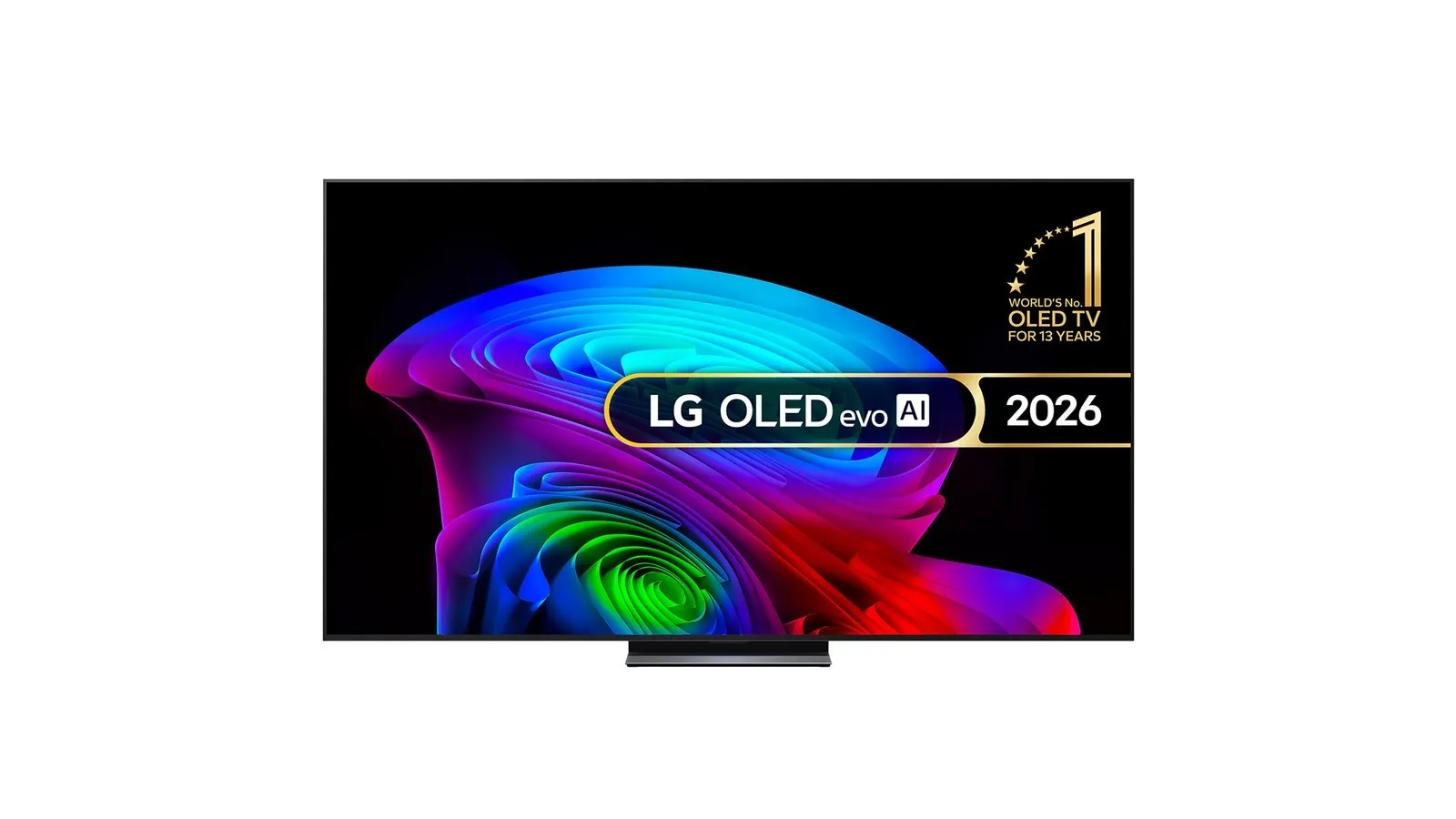
Harnessing the latest OLED innovation, the evo C6 keeps a slender silhouette that still commands the room. Credit: LG.com
For sci-fi, the appeal is the relationship between light and darkness: an illuminated instrument panel should feel distinct from the surrounding cabin, rather than both becoming part of a grey wash.
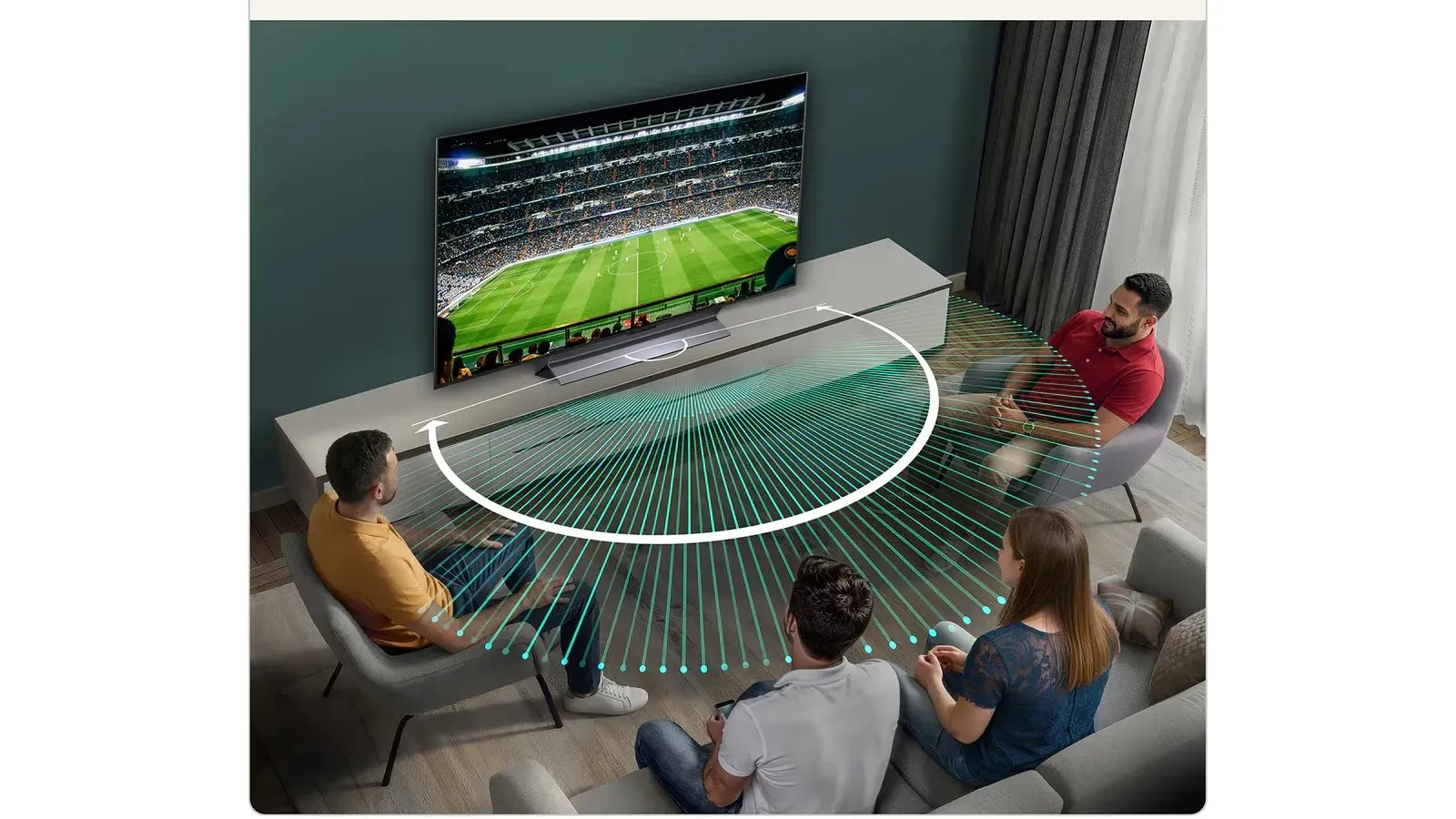
With an ultra‑wide viewing arc, the evo C6 ensures everyone stays locked into the on‑screen action. Credit: LG.com
Our buying advice is to prioritise the appropriate screen size and viewing conditions before chasing the largest model. Check the exact size’s specifications rather than assuming every television carrying the same family name is identical.
Best fit: a mixed-use room where films and games share the same screen.
Pause before buying: if reflections or direct sunlight dominate your viewing position, arrange a demonstration under comparable conditions. Do not choose from a showroom’s brightest promotional loop alone.
BenQ W2720i: For Scale That Changes the Experience
There is a particular pleasure in letting a spacecraft occupy most of your field of view.
The BenQ W2720i offers 4K UHD projection, a manufacturer-rated 2,500 ANSI lumens, a 4LED light source and HDR10+ support. BenQ specifies a 120-inch image from approximately 2.7 metres, subject to installation geometry. (benq.eu)
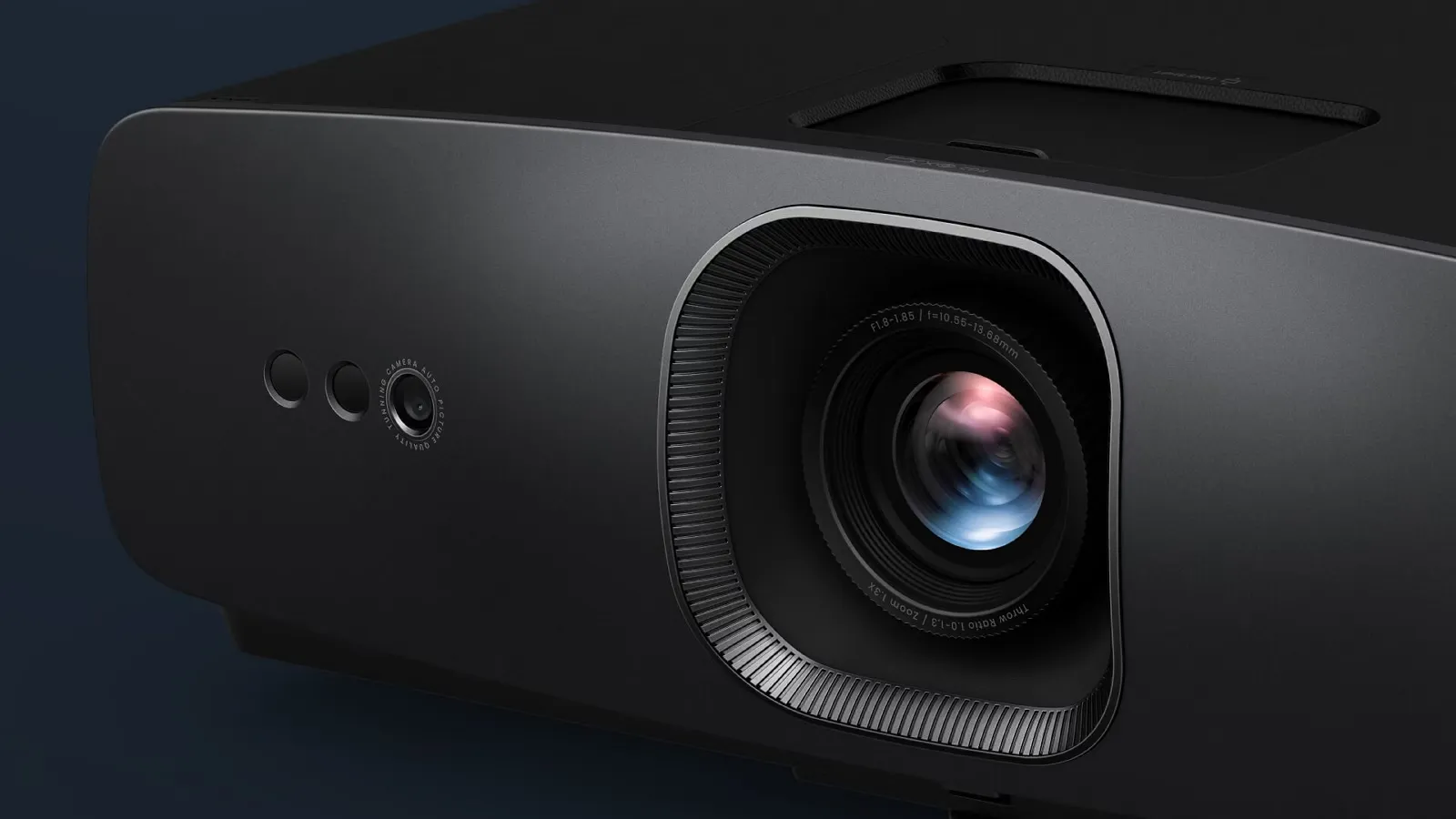
Armed with 4K UHD clarity and 30‑bit colour, the W2720i handles even the most ambitious sci‑fi visuals with ease. Credit: Benq.eu
That makes it worth considering when cinematic scale matters more than the convenience of a television.
The catch is the room. Projector performance depends on ambient light, screen choice and placement; a brightness figure does not eliminate those constraints. BenQ’s own buying guidance emphasises these considerations. (benq.eu)
Best fit: a room where you can control lighting and accommodate a proper projection surface.
BenQ W2720i Home Cinema Projector. By BenQ Europe. From @BenQEurope
Pause before buying: measure the throw distance, screen width and cable route first. The projector is only one part of the installation.
Sonos Arc Ultra: For Sound Beyond the Screen
Science fiction needs more than explosions. It needs intelligible dialogue, convincing movement and the quieter sounds that suggest a world continuing beyond the frame.
The Sonos Arc Ultra combines Dolby Atmos support with HDMI eARC, room-tuning features, Speech Enhancement and Night Sound. It can also be expanded with compatible Sonos surrounds and a subwoofer. (sonos.com)
Its attraction is convenience: a route towards immersive audio without beginning with a receiver and a roomful of speaker cable.
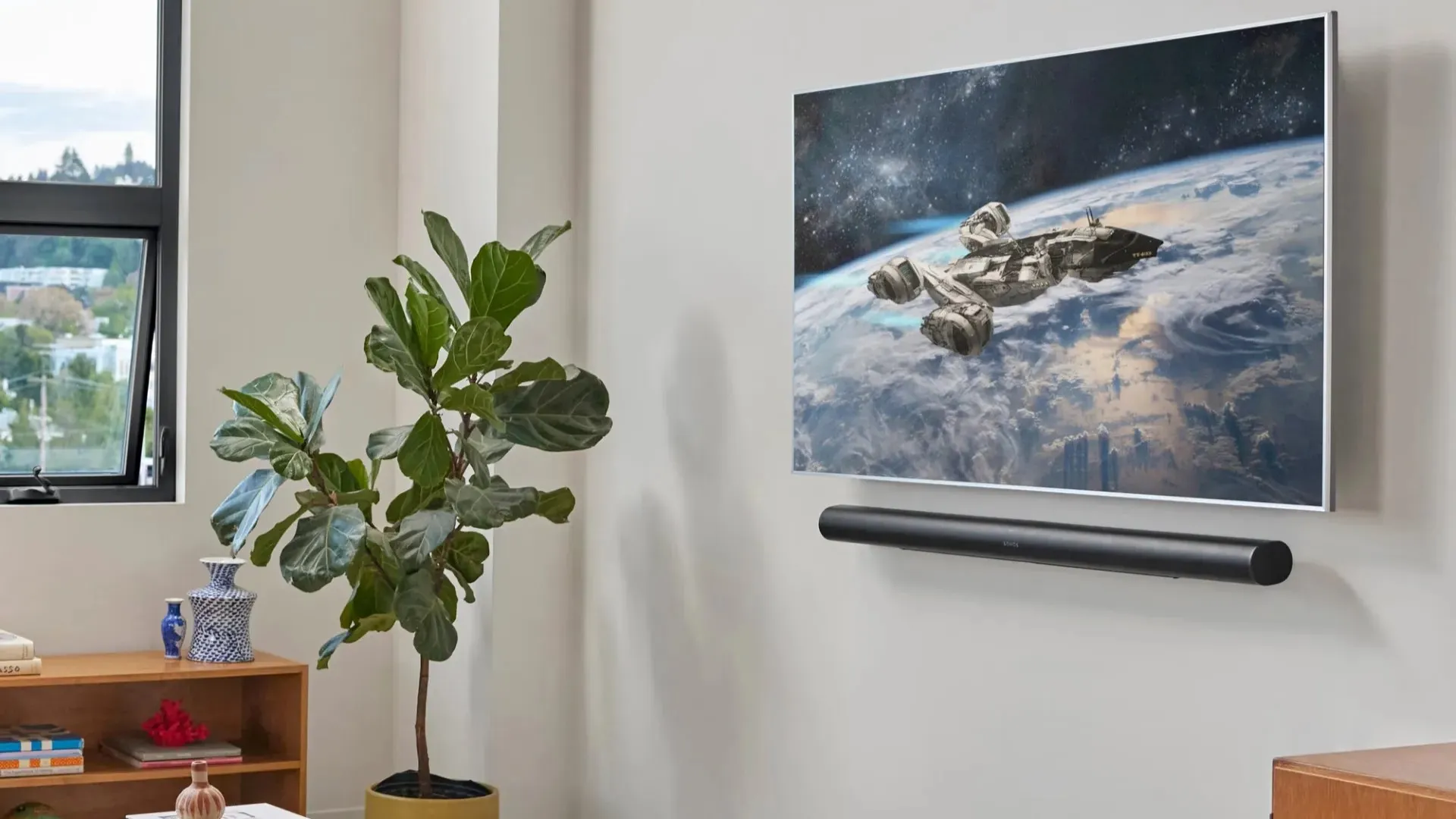
From epic space battles to atmospheric RPGs, the Arc Ultra’s compatibility and range make it the perfect audio boost. Credit: Sonos.com
But an Atmos badge does not guarantee that every source reaches the soundbar in the intended format. Sonos specifies HDMI ARC or eARC for Atmos playback; your television and source settings remain part of the equation. (support.sonos.com)
Best fit: viewers who want a relatively straightforward, expandable system.
Pause before buying: disc collectors should check their required audio formats and television passthrough capabilities. Also consider the full cost if rear speakers and a subwoofer are already on the wish list.
Panasonic DP-UB820: For Films You Want to Keep
The Panasonic DP-UB820 is worth considering if physical films are central to your setup. Panasonic lists 4K Ultra HD Blu-ray playback, its HCX processor, HDR Optimizer and twin HDMI outputs; the platform supports both Dolby Vision and HDR10+. (panasonic.com)
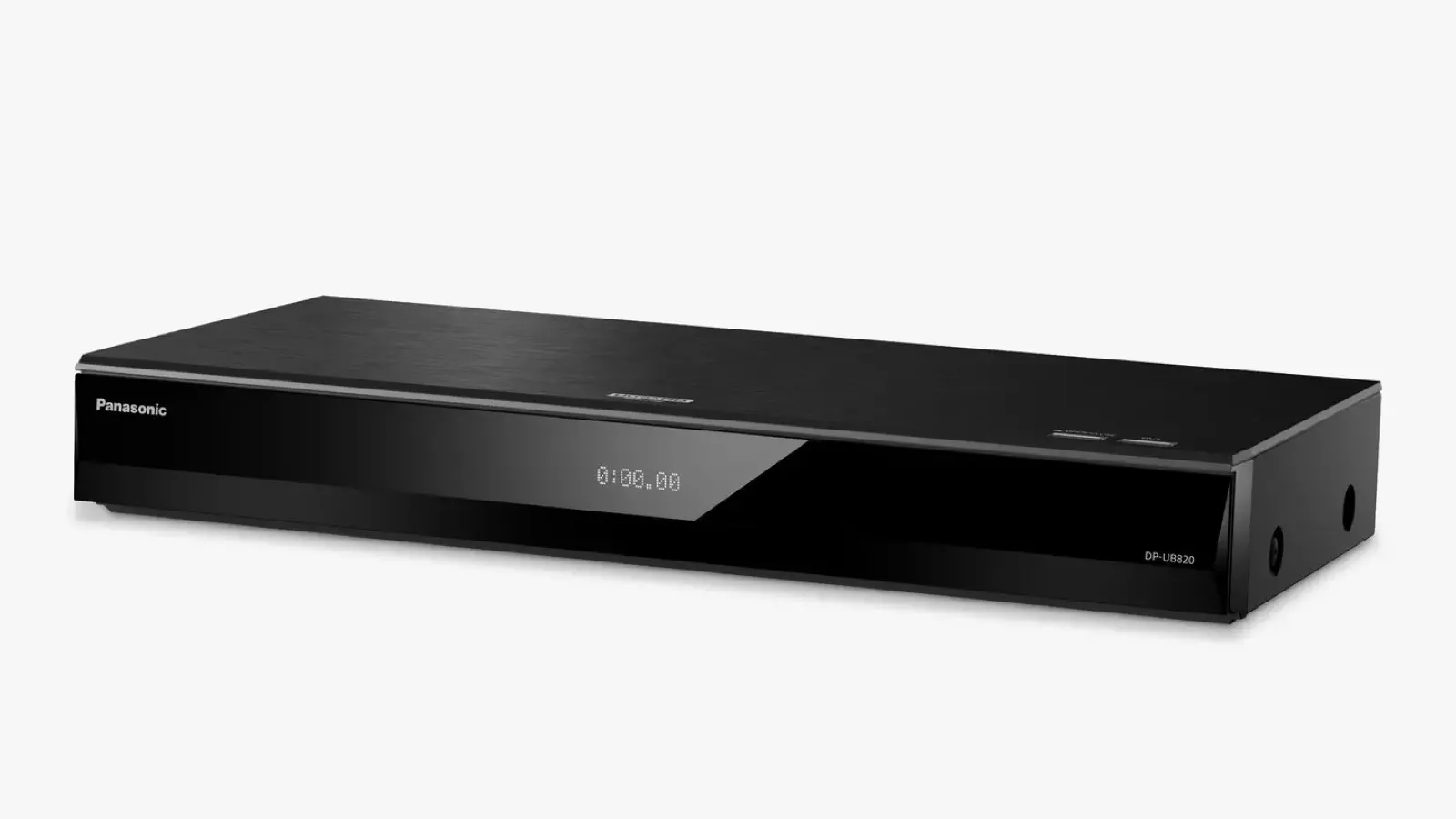
A sleek, precision‑built form mirrors the DP‑UB820’s purpose—delivering every disc at its absolute best. Credit: Panasonic.com
The case for a dedicated player is not that every disc automatically surpasses every stream. It is that a carefully chosen physical library can become part of how you watch, revisit and collect cinema.
Best fit: someone already buying films on disc.
Pause before buying: if almost everything you watch comes through streaming services, improve the parts of the system you use daily before adding another playback device.
What Should You Upgrade First?
Start with the problem you notice:
Dialogue keeps disappearing? Investigate sound and placement.
The picture feels too small? Compare a larger television with a properly planned projector installation.
Your existing setup already works? Keep it—and spend the evening watching something.
You want to collect favourite films? Consider a dedicated disc player.
The SciNexic Verdict
A convincing home cinema is a coordinated system, not a collection of impressive specification sheets.
Choose the screen for the room, the sound for the household and the source for your viewing habits. The objective is not to own the most equipment.
It is to stop noticing the equipment when the film begins.
A spacecraft emerges from darkness. Somewhere behind the crew, a warning sounds. The camera holds on an apparently empty corridor.
Then somebody reaches for the remote because the dialogue is impossible to hear.
The best sci-fi home cinema gear should make a fictional universe easier to inhabit—not give you another system to troubleshoot. Our approach is therefore simple: choose equipment for the room, the films and the way you actually watch.
This is a researched shortlist, not a claim that SciNexic has personally tested every product. The selections cover four complementary roles rather than four upgrades everybody needs.
The Shortlist
Your priority | Product to consider |
|---|---|
A film-and-gaming television | LG OLED evo C6 |
A genuinely large projected image | BenQ W2720i |
Immersive sound without a full AV-receiver installation | Sonos Arc Ultra |
A dedicated player for a physical film library | Panasonic DP-UB820 |
LG OLED evo C6: For Viewers Who Want Space to Look Dark
The LG OLED evo C6 earns consideration through a useful combination of OLED pixel-level dimming, Dolby Vision support and Filmmaker Mode. The UK 55-inch model also supports 4K high-frame-rate input, giving it a role beyond movie night. (lg.com)
Harnessing the latest OLED innovation, the evo C6 keeps a slender silhouette that still commands the room. Credit: LG.com
For sci-fi, the appeal is the relationship between light and darkness: an illuminated instrument panel should feel distinct from the surrounding cabin, rather than both becoming part of a grey wash.
With an ultra‑wide viewing arc, the evo C6 ensures everyone stays locked into the on‑screen action. Credit: LG.com
Our buying advice is to prioritise the appropriate screen size and viewing conditions before chasing the largest model. Check the exact size’s specifications rather than assuming every television carrying the same family name is identical.
Best fit: a mixed-use room where films and games share the same screen.
Pause before buying: if reflections or direct sunlight dominate your viewing position, arrange a demonstration under comparable conditions. Do not choose from a showroom’s brightest promotional loop alone.
BenQ W2720i: For Scale That Changes the Experience
There is a particular pleasure in letting a spacecraft occupy most of your field of view.
The BenQ W2720i offers 4K UHD projection, a manufacturer-rated 2,500 ANSI lumens, a 4LED light source and HDR10+ support. BenQ specifies a 120-inch image from approximately 2.7 metres, subject to installation geometry. (benq.eu)
Armed with 4K UHD clarity and 30‑bit colour, the W2720i handles even the most ambitious sci‑fi visuals with ease. Credit: Benq.eu
That makes it worth considering when cinematic scale matters more than the convenience of a television.
The catch is the room. Projector performance depends on ambient light, screen choice and placement; a brightness figure does not eliminate those constraints. BenQ’s own buying guidance emphasises these considerations. (benq.eu)
Best fit: a room where you can control lighting and accommodate a proper projection surface.
BenQ W2720i Home Cinema Projector. By BenQ Europe. From @BenQEurope
Pause before buying: measure the throw distance, screen width and cable route first. The projector is only one part of the installation.
Sonos Arc Ultra: For Sound Beyond the Screen
Science fiction needs more than explosions. It needs intelligible dialogue, convincing movement and the quieter sounds that suggest a world continuing beyond the frame.
The Sonos Arc Ultra combines Dolby Atmos support with HDMI eARC, room-tuning features, Speech Enhancement and Night Sound. It can also be expanded with compatible Sonos surrounds and a subwoofer. (sonos.com)
Its attraction is convenience: a route towards immersive audio without beginning with a receiver and a roomful of speaker cable.
From epic space battles to atmospheric RPGs, the Arc Ultra’s compatibility and range make it the perfect audio boost. Credit: Sonos.com
But an Atmos badge does not guarantee that every source reaches the soundbar in the intended format. Sonos specifies HDMI ARC or eARC for Atmos playback; your television and source settings remain part of the equation. (support.sonos.com)
Best fit: viewers who want a relatively straightforward, expandable system.
Pause before buying: disc collectors should check their required audio formats and television passthrough capabilities. Also consider the full cost if rear speakers and a subwoofer are already on the wish list.
Panasonic DP-UB820: For Films You Want to Keep
The Panasonic DP-UB820 is worth considering if physical films are central to your setup. Panasonic lists 4K Ultra HD Blu-ray playback, its HCX processor, HDR Optimizer and twin HDMI outputs; the platform supports both Dolby Vision and HDR10+. (panasonic.com)
A sleek, precision‑built form mirrors the DP‑UB820’s purpose—delivering every disc at its absolute best. Credit: Panasonic.com
The case for a dedicated player is not that every disc automatically surpasses every stream. It is that a carefully chosen physical library can become part of how you watch, revisit and collect cinema.
Best fit: someone already buying films on disc.
Pause before buying: if almost everything you watch comes through streaming services, improve the parts of the system you use daily before adding another playback device.
What Should You Upgrade First?
Start with the problem you notice:
Dialogue keeps disappearing? Investigate sound and placement.
The picture feels too small? Compare a larger television with a properly planned projector installation.
Your existing setup already works? Keep it—and spend the evening watching something.
You want to collect favourite films? Consider a dedicated disc player.
The SciNexic Verdict
A convincing home cinema is a coordinated system, not a collection of impressive specification sheets.
Choose the screen for the room, the sound for the household and the source for your viewing habits. The objective is not to own the most equipment.
It is to stop noticing the equipment when the film begins.
A spacecraft emerges from darkness. Somewhere behind the crew, a warning sounds. The camera holds on an apparently empty corridor.
Then somebody reaches for the remote because the dialogue is impossible to hear.
The best sci-fi home cinema gear should make a fictional universe easier to inhabit—not give you another system to troubleshoot. Our approach is therefore simple: choose equipment for the room, the films and the way you actually watch.
This is a researched shortlist, not a claim that SciNexic has personally tested every product. The selections cover four complementary roles rather than four upgrades everybody needs.
The Shortlist
Your priority | Product to consider |
|---|---|
A film-and-gaming television | LG OLED evo C6 |
A genuinely large projected image | BenQ W2720i |
Immersive sound without a full AV-receiver installation | Sonos Arc Ultra |
A dedicated player for a physical film library | Panasonic DP-UB820 |
LG OLED evo C6: For Viewers Who Want Space to Look Dark
The LG OLED evo C6 earns consideration through a useful combination of OLED pixel-level dimming, Dolby Vision support and Filmmaker Mode. The UK 55-inch model also supports 4K high-frame-rate input, giving it a role beyond movie night. (lg.com)
Harnessing the latest OLED innovation, the evo C6 keeps a slender silhouette that still commands the room. Credit: LG.com
For sci-fi, the appeal is the relationship between light and darkness: an illuminated instrument panel should feel distinct from the surrounding cabin, rather than both becoming part of a grey wash.
With an ultra‑wide viewing arc, the evo C6 ensures everyone stays locked into the on‑screen action. Credit: LG.com
Our buying advice is to prioritise the appropriate screen size and viewing conditions before chasing the largest model. Check the exact size’s specifications rather than assuming every television carrying the same family name is identical.
Best fit: a mixed-use room where films and games share the same screen.
Pause before buying: if reflections or direct sunlight dominate your viewing position, arrange a demonstration under comparable conditions. Do not choose from a showroom’s brightest promotional loop alone.
BenQ W2720i: For Scale That Changes the Experience
There is a particular pleasure in letting a spacecraft occupy most of your field of view.
The BenQ W2720i offers 4K UHD projection, a manufacturer-rated 2,500 ANSI lumens, a 4LED light source and HDR10+ support. BenQ specifies a 120-inch image from approximately 2.7 metres, subject to installation geometry. (benq.eu)
Armed with 4K UHD clarity and 30‑bit colour, the W2720i handles even the most ambitious sci‑fi visuals with ease. Credit: Benq.eu
That makes it worth considering when cinematic scale matters more than the convenience of a television.
The catch is the room. Projector performance depends on ambient light, screen choice and placement; a brightness figure does not eliminate those constraints. BenQ’s own buying guidance emphasises these considerations. (benq.eu)
Best fit: a room where you can control lighting and accommodate a proper projection surface.
BenQ W2720i Home Cinema Projector. By BenQ Europe. From @BenQEurope
Pause before buying: measure the throw distance, screen width and cable route first. The projector is only one part of the installation.
Sonos Arc Ultra: For Sound Beyond the Screen
Science fiction needs more than explosions. It needs intelligible dialogue, convincing movement and the quieter sounds that suggest a world continuing beyond the frame.
The Sonos Arc Ultra combines Dolby Atmos support with HDMI eARC, room-tuning features, Speech Enhancement and Night Sound. It can also be expanded with compatible Sonos surrounds and a subwoofer. (sonos.com)
Its attraction is convenience: a route towards immersive audio without beginning with a receiver and a roomful of speaker cable.
From epic space battles to atmospheric RPGs, the Arc Ultra’s compatibility and range make it the perfect audio boost. Credit: Sonos.com
But an Atmos badge does not guarantee that every source reaches the soundbar in the intended format. Sonos specifies HDMI ARC or eARC for Atmos playback; your television and source settings remain part of the equation. (support.sonos.com)
Best fit: viewers who want a relatively straightforward, expandable system.
Pause before buying: disc collectors should check their required audio formats and television passthrough capabilities. Also consider the full cost if rear speakers and a subwoofer are already on the wish list.
Panasonic DP-UB820: For Films You Want to Keep
The Panasonic DP-UB820 is worth considering if physical films are central to your setup. Panasonic lists 4K Ultra HD Blu-ray playback, its HCX processor, HDR Optimizer and twin HDMI outputs; the platform supports both Dolby Vision and HDR10+. (panasonic.com)
A sleek, precision‑built form mirrors the DP‑UB820’s purpose—delivering every disc at its absolute best. Credit: Panasonic.com
The case for a dedicated player is not that every disc automatically surpasses every stream. It is that a carefully chosen physical library can become part of how you watch, revisit and collect cinema.
Best fit: someone already buying films on disc.
Pause before buying: if almost everything you watch comes through streaming services, improve the parts of the system you use daily before adding another playback device.
What Should You Upgrade First?
Start with the problem you notice:
Dialogue keeps disappearing? Investigate sound and placement.
The picture feels too small? Compare a larger television with a properly planned projector installation.
Your existing setup already works? Keep it—and spend the evening watching something.
You want to collect favourite films? Consider a dedicated disc player.
The SciNexic Verdict
A convincing home cinema is a coordinated system, not a collection of impressive specification sheets.
Choose the screen for the room, the sound for the household and the source for your viewing habits. The objective is not to own the most equipment.
It is to stop noticing the equipment when the film begins.
Image Gallery
Comments
Please be kind and considerate. Any abusive or offensive comments will be sent out the airlock! Thank You.
Please be kind and considerate. Any abusive or offensive comments will be sent out the airlock! Thank You.


Join the SciNexic Crew
Related Posts

Share on Twitter
Share on Instagram
Share on Twitter
Share on Instagram
Banner Image - BenQ W2720i poster - https://www.benq.eu/en-uk/projector/cinema/w2720i.html - Copyright Benq Europe
Main Article - All images and media are the property of their respective owners.