


The SciNexic Files
The SciNexic Files
The SciNexic Files
Preview
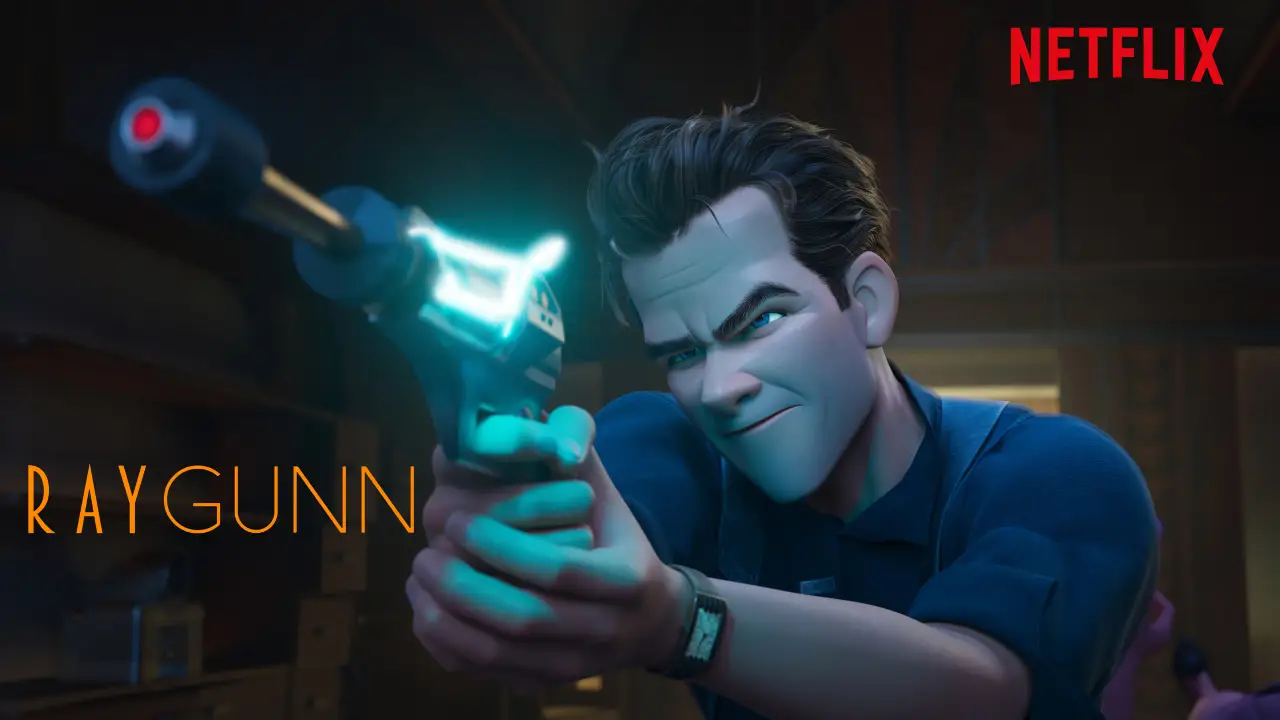
Ray Gunn Explained: Brad Bird's 30-Year Space Sci-Fi Noir Finally Arrives on Netflix
What if the greatest space sci-fi film of 2026 was actually conceived in 1996? That is the beautifully paradoxical hook of Ray Gunn — a retro-futurist animated noir that director Brad Bird has been nursing for three decades, and which finally droped its first trailer today ahead of a December Netflix premiere. The wait, if the footage is anything to go by, was worth every agonising year.
A New Hope: The 30-Year Passion Project That Refused to Die
Ray Gunn is not merely a film — it is a testament to creative stubbornness. Bird, the visionary behind The Iron Giant, The Incredibles, and Mission: Impossible — Ghost Protocol, first conceived the project in the mid-1990s. Pixar passed on it. Studios balked. The industry moved on. Bird did not.
The project was eventually revived under Skydance Animation, with the support of John Lasseter, and transitioned from its original 2D hand-drawn concept into a fully realised 3D computer-animated feature — with production assistance from Cinesite. The result carries a budget exceeding £120 million (approximately $150 million USD), making it one of the most ambitious animated space sci-fi productions in recent memory.
"One of the hard things about this film is that it would have been the first to do so many things on screen if it had been made then."
— Brad Bird, Ray Gunn press conference, September 2026
The Tech Awakens: What Is Ray Gunn Actually About?
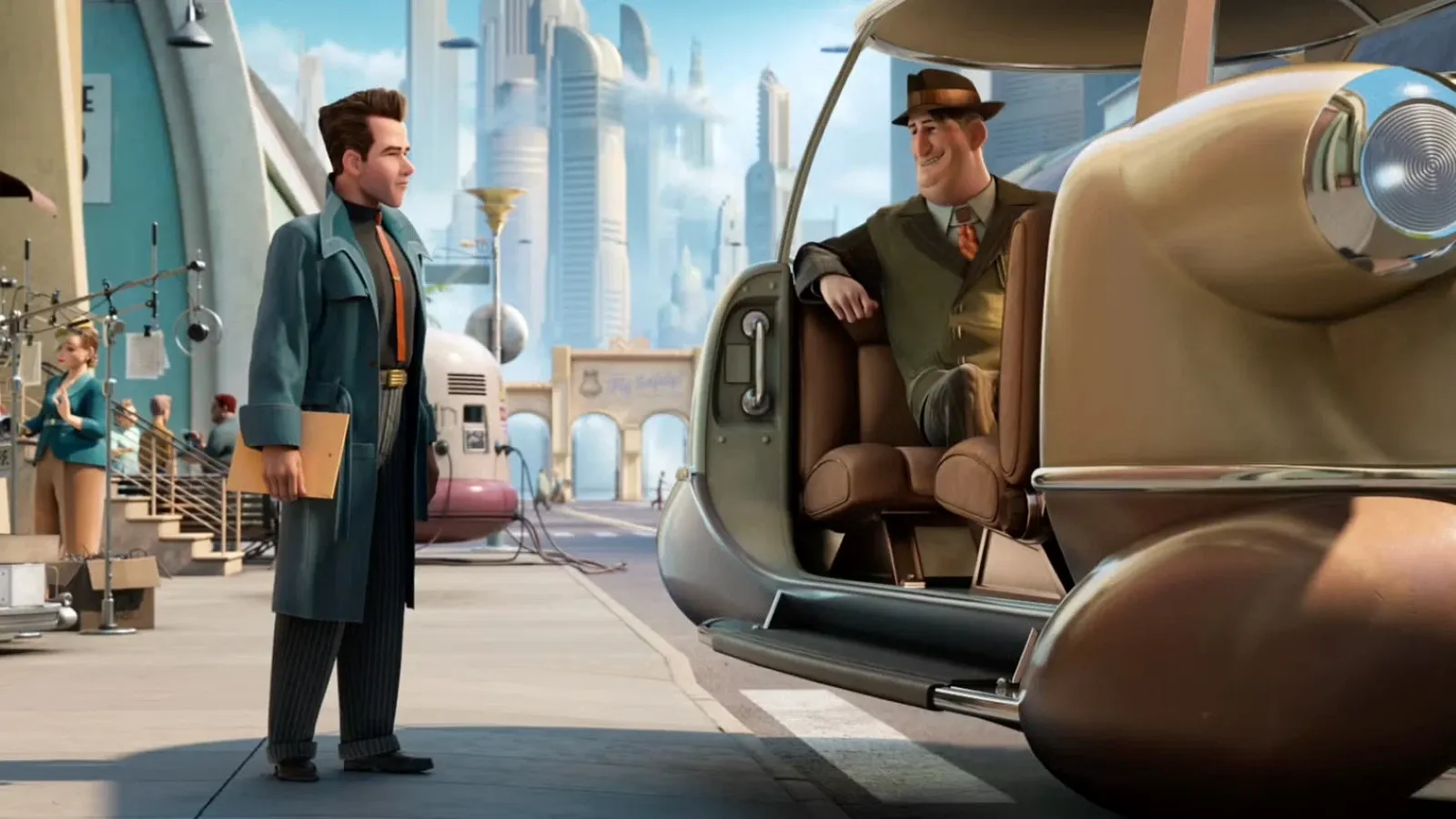
After 30 years in development, Brad Bird’s Ray Gunn arrives with a bold fusion of pulp noir and space‑age spectacle. Credit: TMDB
Set in Metropia — a sprawling megalopolis that imagines the future through the aesthetic lens of 1939 — Ray Gunn follows Raymond "Ray" Gunn, the last human private detective in a world where humans and aliens coexist in uneasy, neon-lit proximity. Think The Maltese Falcon meets Buck Rogers: hard-boiled detective tropes colliding with retro-futurist space sci-fi in a city that feels simultaneously ancient and impossibly advanced.
Ray Gunn | Official Trailer | Netflix. By Netflix/Skydance. From @Netflix
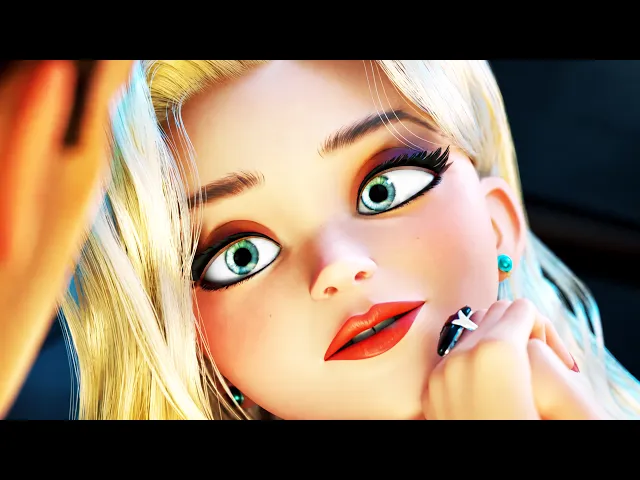
Ray is hired to investigate a scandal surrounding Venus Nova, a famous alien pop star whose carefully constructed public image is beginning to crack. What begins as a routine case spirals — as all great noir cases do — into something far more dangerous, and far more cosmic.
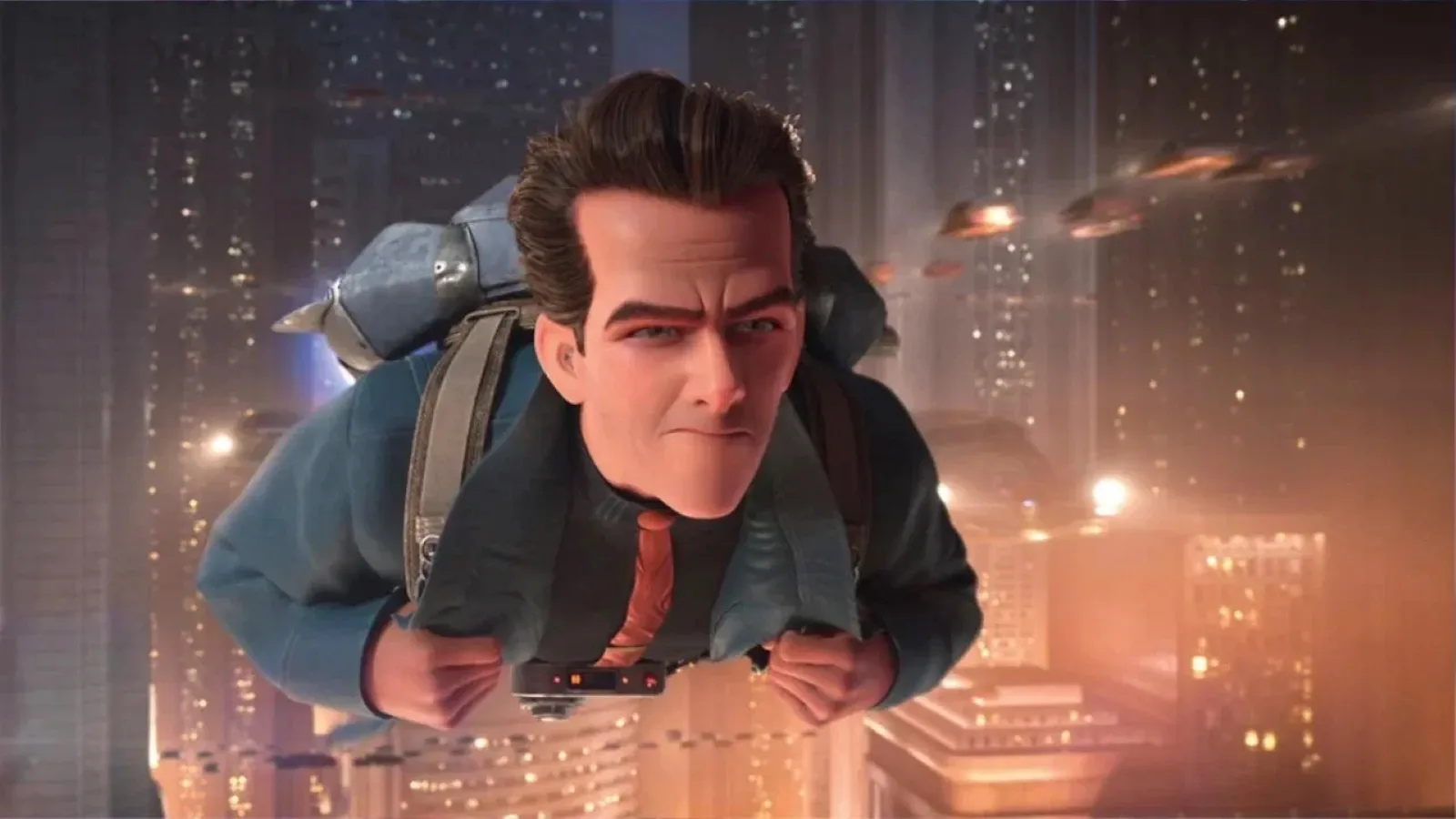
Ray Gunn emerges as a neon‑drenched noir adventure—rich with mystery, danger, and irresistible intrigue. Credit: TMDB
Bird has described the film's visual language as "the future as imagined by someone in 1939" — a world of gleaming chrome, pneumatic tubes, and alien architecture that owes as much to Art Deco as it does to science fiction. It is a space sci-fi world that feels genuinely unlike anything currently in cinemas.
Choose Your Crew: The Voice Cast
The ensemble assembled for Ray Gunn reads like a wish list for any space sci-fi fan:
Sam Rockwell as Raymond "Ray" Gunn — the weary, wisecracking detective at the story's heart.
Scarlett Johansson as Venus Nova — the alien pop star whose original songs (written by Kimbra) Johansson performs herself.
Tom Waits as Eyera — Ray's alien colleague, a role that sounds tailor-made for Waits's gravelly, otherworldly vocal presence.
Matt Berry as Francis "Slugsy" Xavier — an alien mob boss, and surely one of the most inspired casting decisions in recent animated history.
Alan Tudyk as Barry Vogel — Venus's business manager.
Bobby Cannavale as Venus's husband.
Patton Oswalt, Michelle Rodriguez, Kathryn Hunter, and John Ratzenberger round out a cast of remarkable depth.
The score is composed by Michael Giacchino, Bird's long-time collaborator, whose work on The Incredibles and Up remains some of the finest in contemporary film music. Expect something that swings between jazz-age cool and cosmic grandeur.
The Prize That Changes Everything: Why Ray Gunn Matters for Space Sci-Fi
In an era dominated by franchise sequels and cinematic universe obligations, Ray Gunn represents something increasingly rare: a wholly original space sci-fi vision with no IP safety net. It is not a sequel, a reboot, or a spin-off. It is a director's singular creative obsession finally given the resources to breathe.
The film's retro-futurist aesthetic also arrives at a culturally resonant moment. Audiences have demonstrated, through the success of Project Hail Mary and the enduring popularity of The Expanse, that they are hungry for space sci-fi that takes ideas seriously — that builds worlds with internal logic and visual coherence rather than simply deploying familiar iconography.
Ray Gunn's Metropia, with its alien-human social tensions and its detective-noir moral ambiguity, promises exactly that kind of world-building rigour. The fact that it arrives wrapped in the aesthetic warmth of 1939 retrofuturism only makes it more distinctive.
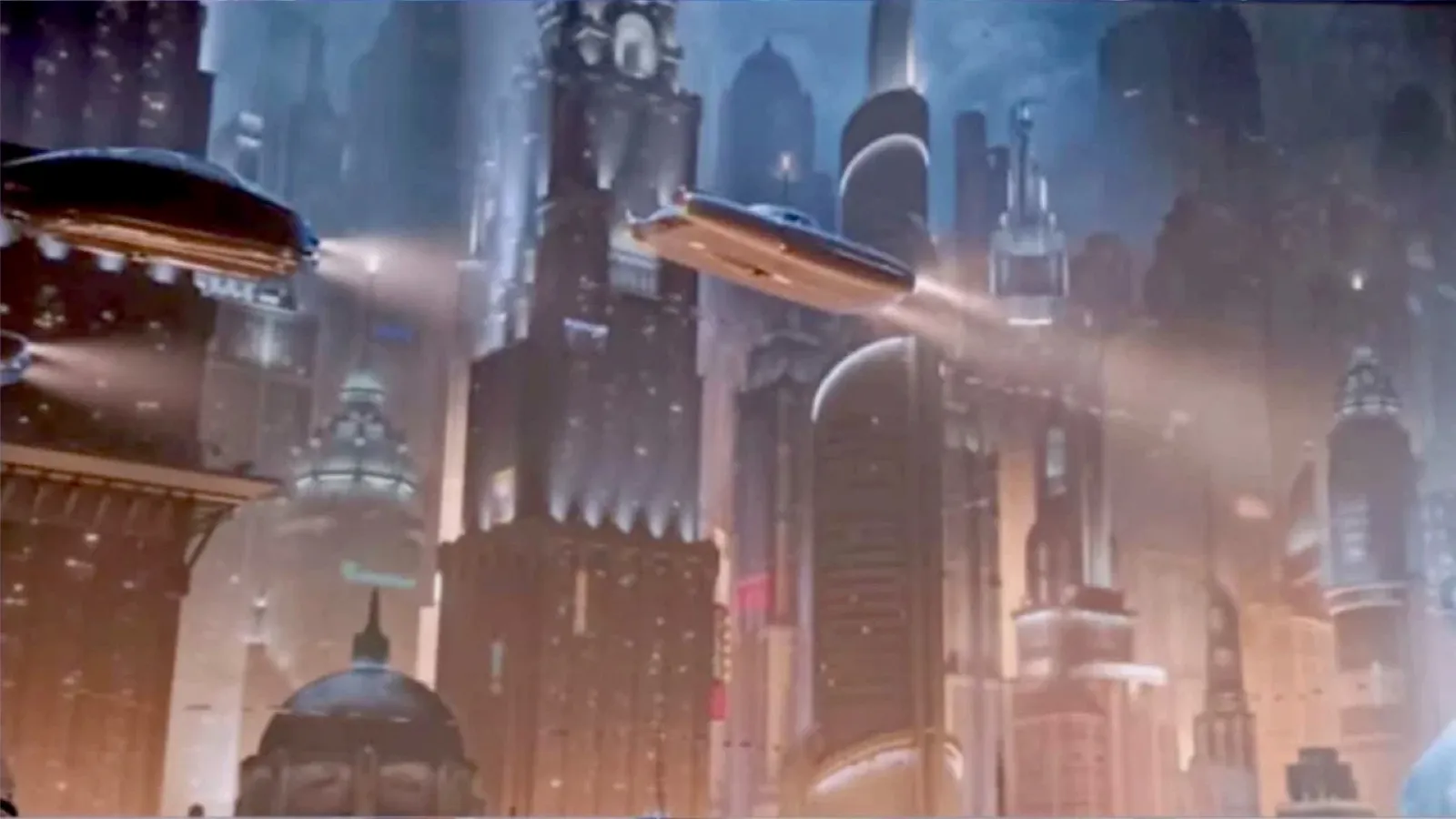
Brad Bird’s long‑lost sci‑fi noir finally lands — sharp lines, deep shadows, cosmic attitude define the Metropia setting. Credit: TMDB
What's Next: Release Dates and Where to Watch
World Premiere: 10 October 2026, BFI London Film Festival
Limited Theatrical Release: 4 December 2026 (including select 70mm screenings)
Netflix Global Streaming: 18 December 2026
Rating: PG
Runtime: 1 hour 59 minutes
The BFI London Film Festival premiere is particularly noteworthy for UK space sci-fi fans — this is a rare opportunity to see a major animated feature on the big screen before its streaming debut, and in 70mm no less.
SciNexic Verdict
Ray Gunn is one of the space sci-fi events of the festive season. Brad Bird's 30-year passion project arrives with a pedigree that is almost unfair — a visionary director, a star-studded voice cast, a Michael Giacchino score, and a visual concept that is genuinely unlike anything else in the genre. Whether it lives up to three decades of anticipation remains to be seen, but the trailer suggests something special is incoming. Detectives — Metropia awaits.
What if the greatest space sci-fi film of 2026 was actually conceived in 1996? That is the beautifully paradoxical hook of Ray Gunn — a retro-futurist animated noir that director Brad Bird has been nursing for three decades, and which finally droped its first trailer today ahead of a December Netflix premiere. The wait, if the footage is anything to go by, was worth every agonising year.
A New Hope: The 30-Year Passion Project That Refused to Die
Ray Gunn is not merely a film — it is a testament to creative stubbornness. Bird, the visionary behind The Iron Giant, The Incredibles, and Mission: Impossible — Ghost Protocol, first conceived the project in the mid-1990s. Pixar passed on it. Studios balked. The industry moved on. Bird did not.
The project was eventually revived under Skydance Animation, with the support of John Lasseter, and transitioned from its original 2D hand-drawn concept into a fully realised 3D computer-animated feature — with production assistance from Cinesite. The result carries a budget exceeding £120 million (approximately $150 million USD), making it one of the most ambitious animated space sci-fi productions in recent memory.
"One of the hard things about this film is that it would have been the first to do so many things on screen if it had been made then."
— Brad Bird, Ray Gunn press conference, September 2026
The Tech Awakens: What Is Ray Gunn Actually About?
After 30 years in development, Brad Bird’s Ray Gunn arrives with a bold fusion of pulp noir and space‑age spectacle. Credit: TMDB
Set in Metropia — a sprawling megalopolis that imagines the future through the aesthetic lens of 1939 — Ray Gunn follows Raymond "Ray" Gunn, the last human private detective in a world where humans and aliens coexist in uneasy, neon-lit proximity. Think The Maltese Falcon meets Buck Rogers: hard-boiled detective tropes colliding with retro-futurist space sci-fi in a city that feels simultaneously ancient and impossibly advanced.
Ray Gunn | Official Trailer | Netflix. By Netflix/Skydance. From @Netflix
Ray is hired to investigate a scandal surrounding Venus Nova, a famous alien pop star whose carefully constructed public image is beginning to crack. What begins as a routine case spirals — as all great noir cases do — into something far more dangerous, and far more cosmic.
Ray Gunn emerges as a neon‑drenched noir adventure—rich with mystery, danger, and irresistible intrigue. Credit: TMDB
Bird has described the film's visual language as "the future as imagined by someone in 1939" — a world of gleaming chrome, pneumatic tubes, and alien architecture that owes as much to Art Deco as it does to science fiction. It is a space sci-fi world that feels genuinely unlike anything currently in cinemas.
Choose Your Crew: The Voice Cast
The ensemble assembled for Ray Gunn reads like a wish list for any space sci-fi fan:
Sam Rockwell as Raymond "Ray" Gunn — the weary, wisecracking detective at the story's heart.
Scarlett Johansson as Venus Nova — the alien pop star whose original songs (written by Kimbra) Johansson performs herself.
Tom Waits as Eyera — Ray's alien colleague, a role that sounds tailor-made for Waits's gravelly, otherworldly vocal presence.
Matt Berry as Francis "Slugsy" Xavier — an alien mob boss, and surely one of the most inspired casting decisions in recent animated history.
Alan Tudyk as Barry Vogel — Venus's business manager.
Bobby Cannavale as Venus's husband.
Patton Oswalt, Michelle Rodriguez, Kathryn Hunter, and John Ratzenberger round out a cast of remarkable depth.
The score is composed by Michael Giacchino, Bird's long-time collaborator, whose work on The Incredibles and Up remains some of the finest in contemporary film music. Expect something that swings between jazz-age cool and cosmic grandeur.
The Prize That Changes Everything: Why Ray Gunn Matters for Space Sci-Fi
In an era dominated by franchise sequels and cinematic universe obligations, Ray Gunn represents something increasingly rare: a wholly original space sci-fi vision with no IP safety net. It is not a sequel, a reboot, or a spin-off. It is a director's singular creative obsession finally given the resources to breathe.
The film's retro-futurist aesthetic also arrives at a culturally resonant moment. Audiences have demonstrated, through the success of Project Hail Mary and the enduring popularity of The Expanse, that they are hungry for space sci-fi that takes ideas seriously — that builds worlds with internal logic and visual coherence rather than simply deploying familiar iconography.
Ray Gunn's Metropia, with its alien-human social tensions and its detective-noir moral ambiguity, promises exactly that kind of world-building rigour. The fact that it arrives wrapped in the aesthetic warmth of 1939 retrofuturism only makes it more distinctive.
Brad Bird’s long‑lost sci‑fi noir finally lands — sharp lines, deep shadows, cosmic attitude define the Metropia setting. Credit: TMDB
What's Next: Release Dates and Where to Watch
World Premiere: 10 October 2026, BFI London Film Festival
Limited Theatrical Release: 4 December 2026 (including select 70mm screenings)
Netflix Global Streaming: 18 December 2026
Rating: PG
Runtime: 1 hour 59 minutes
The BFI London Film Festival premiere is particularly noteworthy for UK space sci-fi fans — this is a rare opportunity to see a major animated feature on the big screen before its streaming debut, and in 70mm no less.
SciNexic Verdict
Ray Gunn is one of the space sci-fi events of the festive season. Brad Bird's 30-year passion project arrives with a pedigree that is almost unfair — a visionary director, a star-studded voice cast, a Michael Giacchino score, and a visual concept that is genuinely unlike anything else in the genre. Whether it lives up to three decades of anticipation remains to be seen, but the trailer suggests something special is incoming. Detectives — Metropia awaits.
Get the SciNexic Dispatch
Space sci-fi news, reviews, trailers, and release picks—straight to your inbox.
Get the dispatch
Image Gallery
Comments
Please be kind and considerate. Any abusive or offensive comments will be sent out the airlock! Thank You.
Please be kind and considerate. Any abusive or offensive comments will be sent out the airlock! Thank You.
Get the Dispatch
Related Posts

Share on Twitter
Share on Instagram
Banner Image - Ray Gunn screen shot and logo - TMDB.org - Copyright: Netflix
Main Article - All images and media are the property of their respective owners.