



The SciNexic Files
The SciNexic Files
The SciNexic Files
SciNexic Forecast
Blade Runner 2099: Why Amazon's 'Sunshine Noir' Bet Could Redefine Space Sci-Fi Television
Here is a sentence that should unsettle every space sci-fi fan who has memorised the rain-slicked alleyways of 2019 Los Angeles: the next chapter in the Blade Runner saga does not look like Blade Runner at all. When Blade Runner 2099 premieres on Amazon Prime Video on 25 November 2026, it will arrive not with the charcoal skies and neon downpours that defined Ridley Scott's 1982 original and Denis Villeneuve's 2017 sequel, but with what showrunner Silka Luisa has termed "sunshine noir" — a visual language of hard light, heat, and deep shadows that reimagines the franchise's dystopian Los Angeles as a sun-baked power struggle where the power dynamic has inverted entirely.
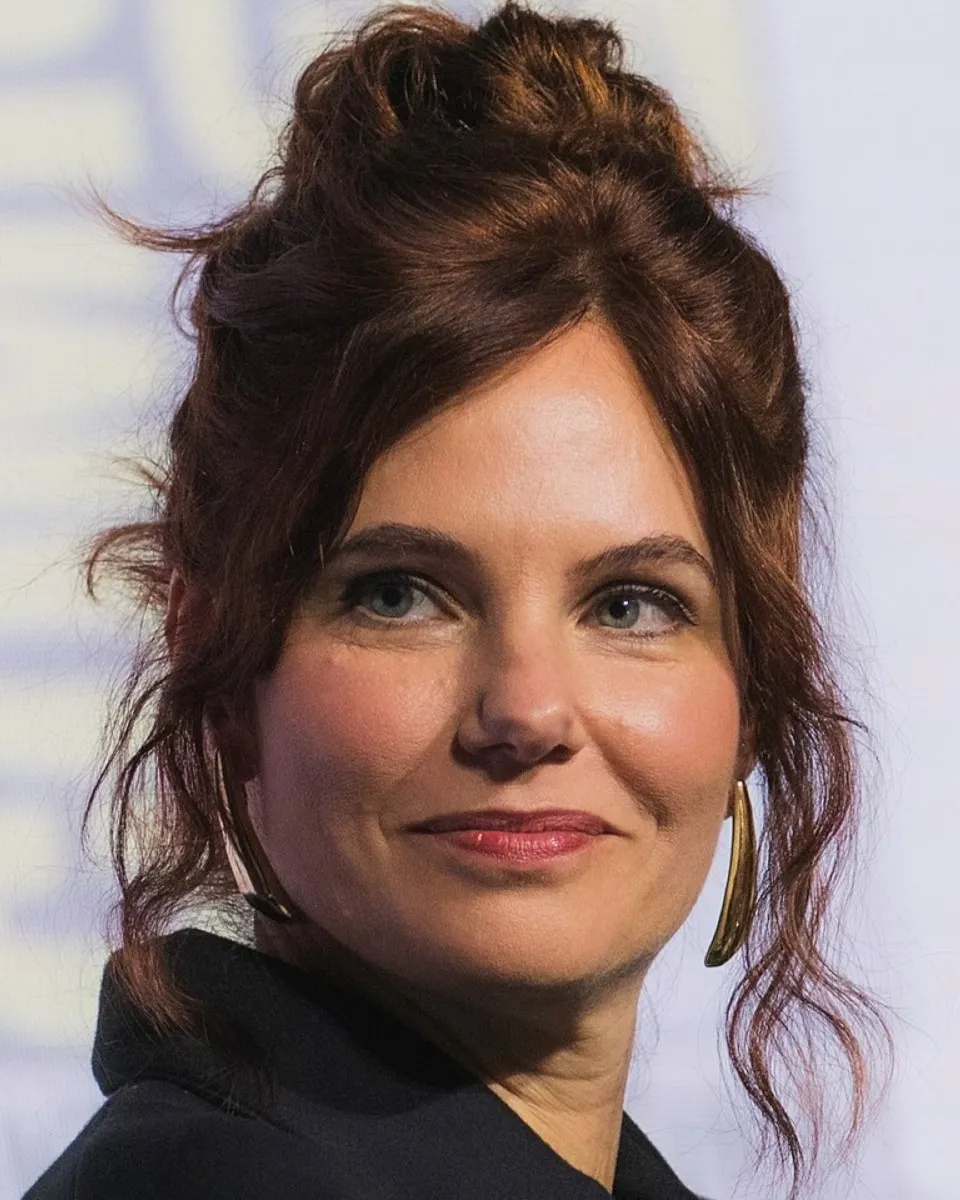
Silka Luisa at San Diego Comic Con 2026. Credit: Wikimedia
This is not merely an aesthetic choice. It is a strategic one — and it may signal the most significant evolution in space sci-fi television since The Expanse proved that hard science fiction could sustain multi-season narrative ambition.
The City Emerges: What 'Sunshine Noir' Actually Means
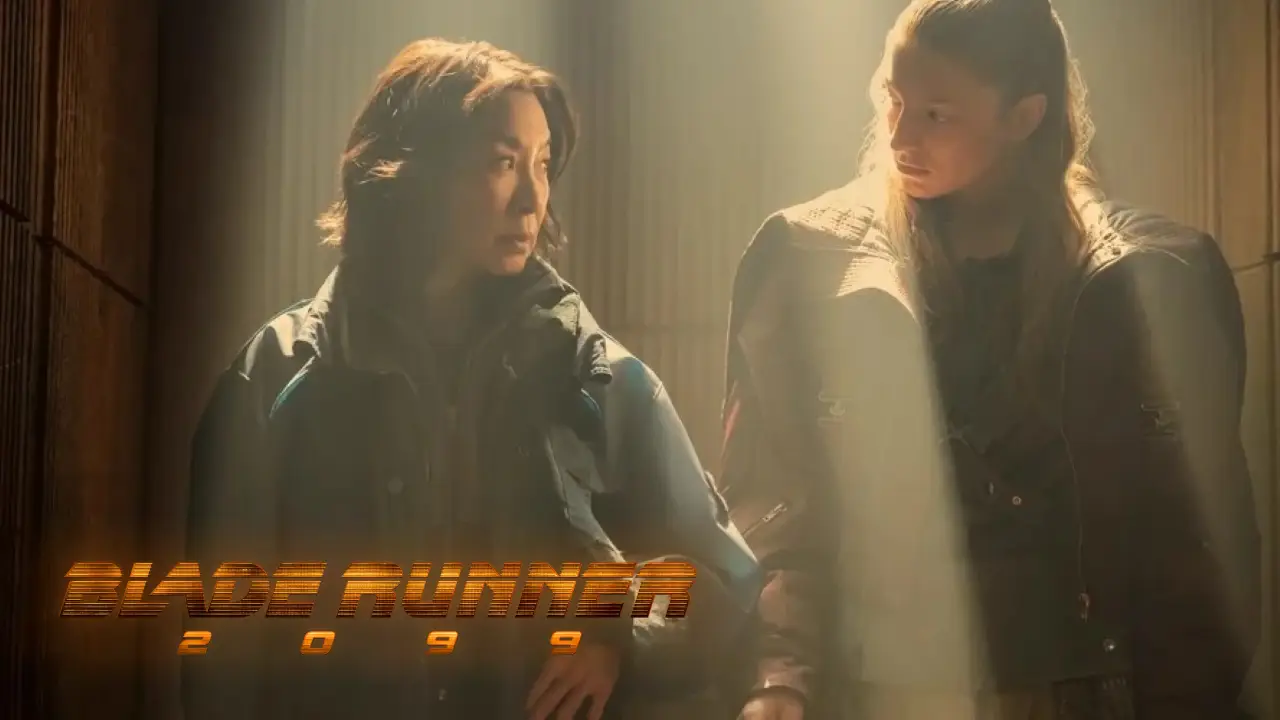
In a sun‑bleached Los Angeles where replicants rule, Amazon’s Blade Runner 2099 turns cyberpunk into ‘sunshine noir’ — led by Michelle Yeoh and Hunter Schafer at the edge of humanity’s future. Credit: TMDB
To understand why "sunshine noir" matters, one must first understand what it is reacting against. The original Blade Runner established a visual grammar that has dominated cyberpunk space sci-fi for four decades: perpetual night, acid rain, neon kanji, and the overwhelming sense that technology has not liberated humanity but entombed it. Villeneuve's 2049 refined this grammar into something almost religious in its austerity — a film so visually controlled that every frame felt like a meditation on decay.
Blade Runner 2099 abandons that grammar. According to Luisa's framing of the series, the Los Angeles of 2099 is not a city drowning in its own technological excess. It is a city that has metabolised that excess and emerged on the other side — a place where Replicants, after an uprising, have become the power brokers, and humans have been relegated to second-class citizens. The "sunshine" is not optimism. It is exposure. In a world where the dominant class no longer needs to hide in shadows, the shadows become a human refuge.
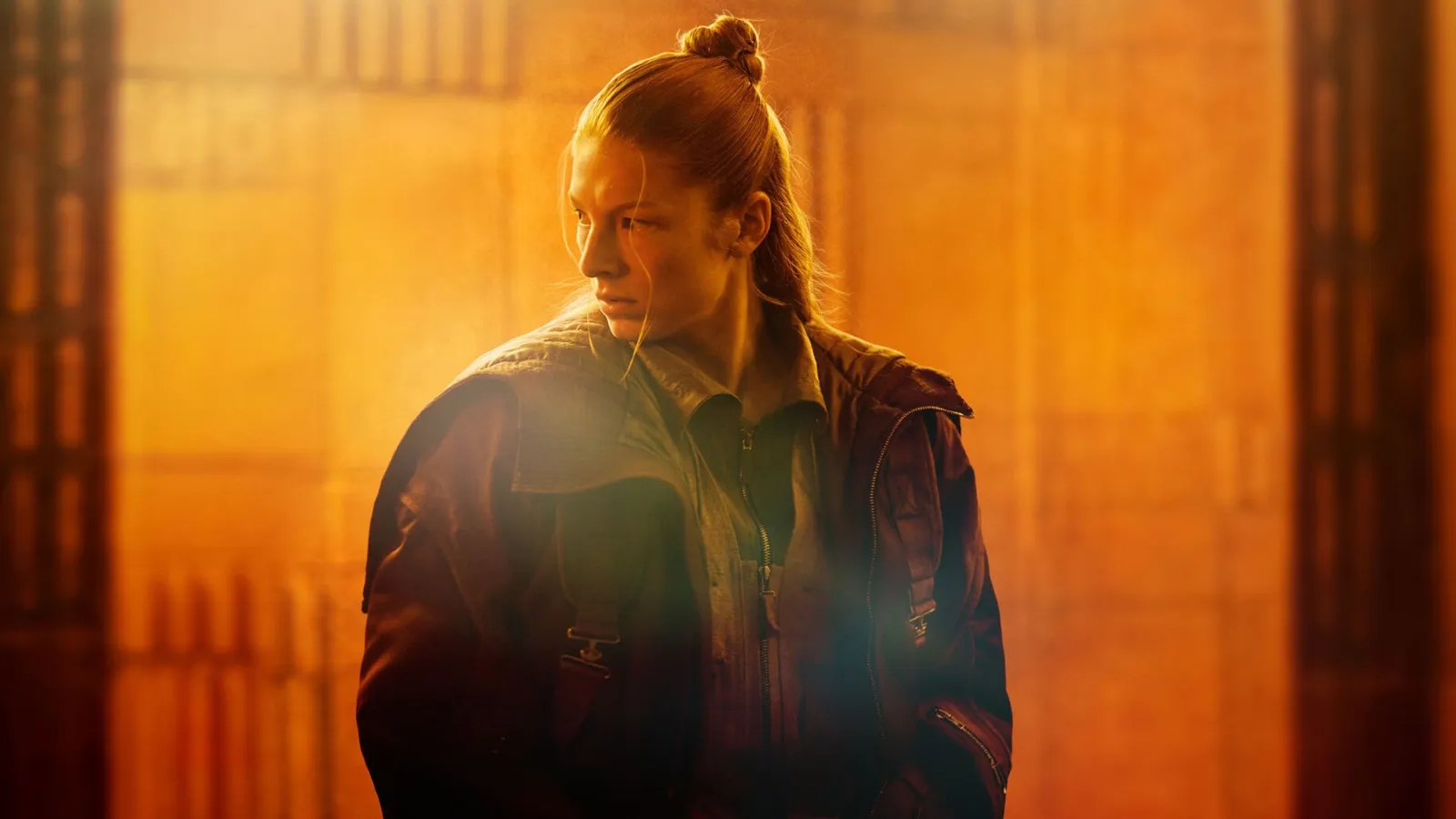
Hunter Schafer’s Cora searches a future that isn’t dark — it’s blinding. Blade Runner 2099 pushes cyberpunk into a harsher light, revealing the fractures of a world ruled by replicants. Credit: Amazon
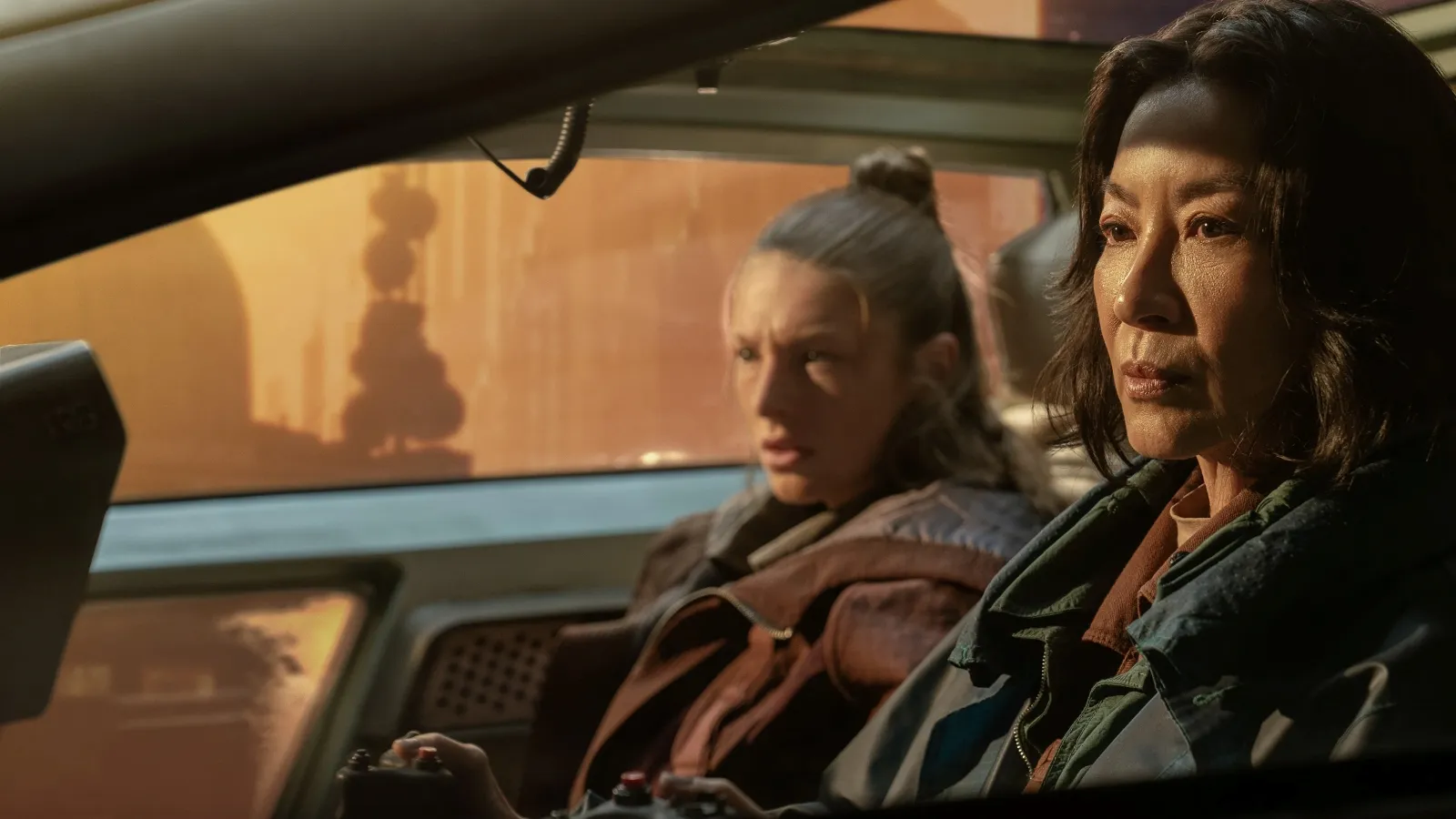
Michelle Yeoh plays Olwen, a Replicant Blade Runner nearing the end of her engineered lifespan. Hunter Schafer plays Cora, a human fugitive who has spent her life adopting false identities and who assumes one final cover as a Blade Runner to secure her brother's future. Their partnership — hunter and hunted, predator and prey, oppressor and oppressed — is the narrative engine. But the visual engine is something new: a sci-fi Los Angeles that looks like it was shot in the Mojave at high noon, all bleached concrete and scalding light and the kind of heat that makes violence feel inevitable.
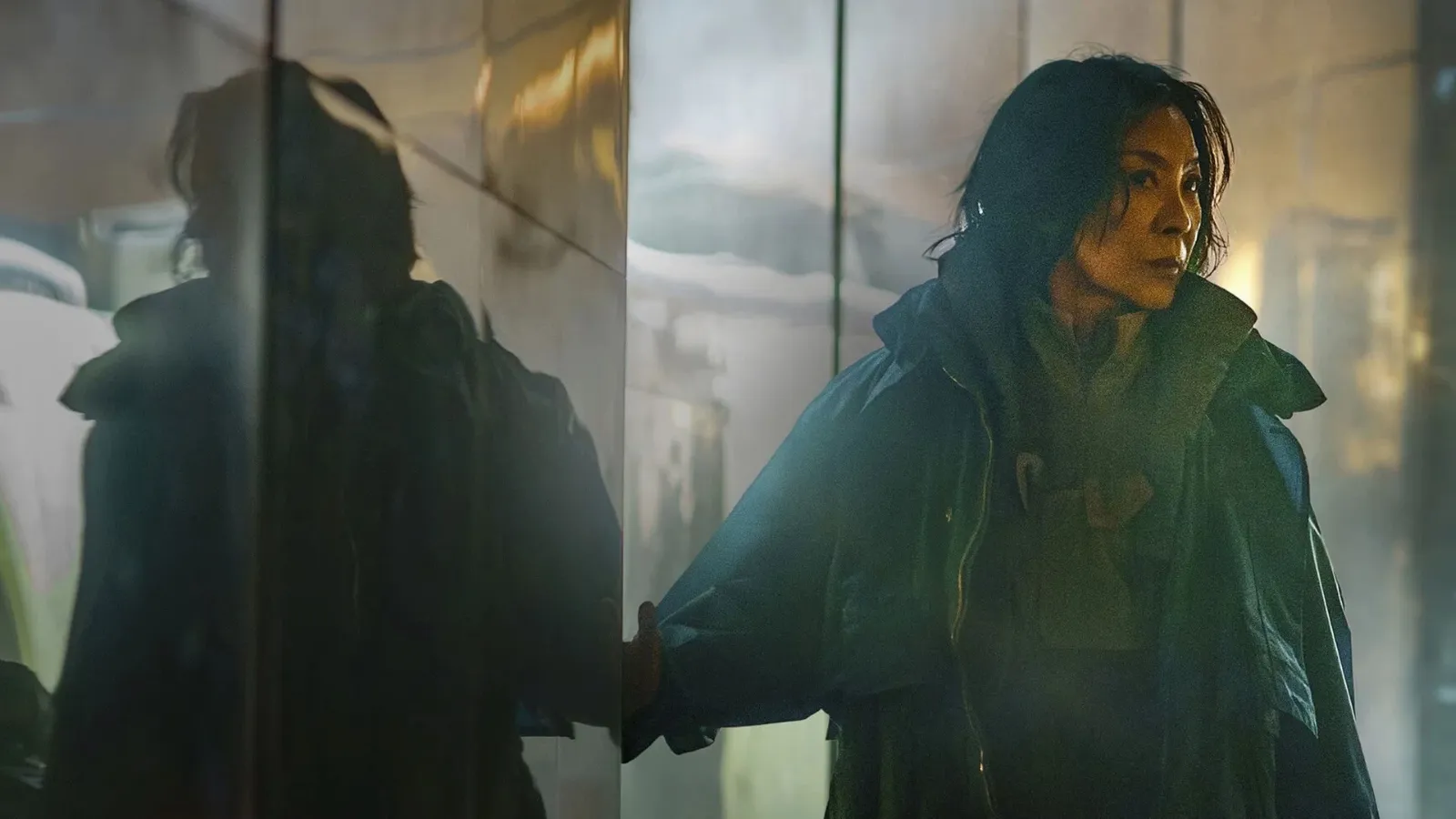
Michelle Yeoh’s Olwen — a replicant facing mortality — anchors Amazon’s ambitious narrative gamble and most prestige sci‑fi series since The Expanse. Credit: Amazon
Amazon's Investment in Prestige Space Sci-Fi
The commercial context for Blade Runner 2099 is as significant as its creative one. Amazon MGM Studios has positioned the series as a flagship Prime Video original, part of a broader strategy that includes the Rings of Power franchise, The Boys, and a growing slate of genre prestige television. The eight-episode limited series reportedly carries a budget in the region of £80–£100 million — a figure that places it in the upper tier of streaming production costs, comparable to Disney+'s Andor or Apple TV+'s For All Mankind.
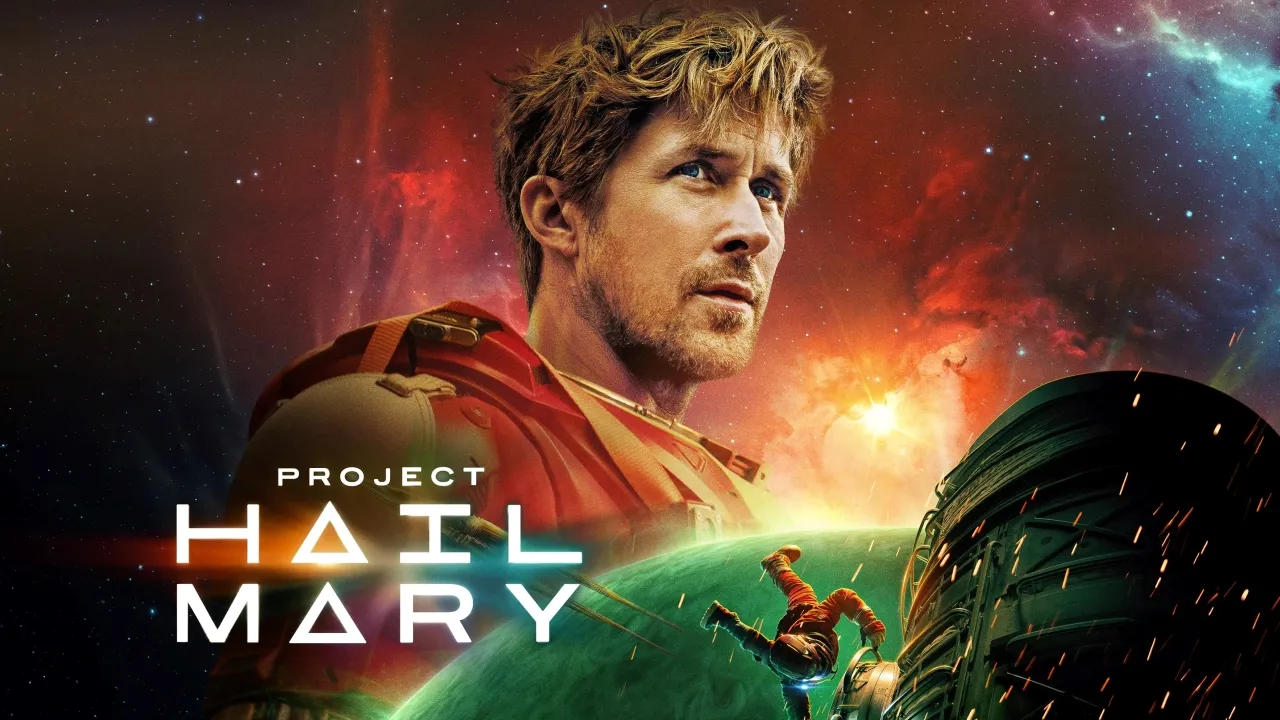
The strategic intrigue here is all about timing. Blade Runner 2099 lands just seven months after Project Hail Mary—Amazon’s breakout hard‑sci‑fi triumph and one of the year’s most anticipated theatrical releases. Rather than positioning the series as competition for big‑screen space sci‑fi, Amazon is framing it as a complement: a prestige‑television analogue to a Premium Large Format experience, engineered for immersive, single‑weekend consumption instead of a traditional broadcast drip.
The release strategy — all eight episodes dropping simultaneously on 25 November 2026 — reinforces this. Amazon is betting that Blade Runner fans, already primed by Villeneuve's Dune duology for long-form, visually ambitious space sci-fi, will treat 2099 as an event. The question is whether the "sunshine noir" aesthetic can sustain that event-level expectation without the visual familiarity that the franchise's rain-soaked iconography provides.
The Risks of Franchise Evolution
The history of space sci-fi television is littered with cautionary tales about aesthetic reinvention. Battlestar Galactica (2004) succeeded because it retained enough of the original's premise to earn audience trust while revolutionising its execution. Star Trek: Discovery and Picard struggled because their tonal departures alienated segments of a fanbase that expected continuity in sensibility as well as lore. Blade Runner 2099 faces a variation of this challenge: it is asking audiences to accept a Blade Runner that does not look, sound, or feel like the Blade Runner they have internalised.
Blade Runner 2099 - Official Teaser. By Amazon MGM. From @PrimeVideo
The creative pedigree offers reassurance. Ridley Scott serves as executive producer, ensuring that the series maintains narrative continuity with the film canon. Jonathan van Tulleken, who directed the first two episodes, has established credentials in visually distinctive television. The cast — anchored by Yeoh, whose recent work in Everything Everywhere All at Once and The Witcher: Blood Origin demonstrates a capacity for genre material that transcends genre conventions, and Schafer, who brings the generational perspective of a performer shaped by Euphoria and contemporary identity discourse — suggests a production that understands the franchise must speak to audiences who did not grow up with VHS copies of the original.
But the most significant risk is not creative. It is commercial. Streaming platforms have become increasingly ruthless about cancellation timelines. A limited series format provides narrative closure insurance — eight episodes can tell a complete story — but it also limits the franchise's capacity to build the kind of multi-season audience investment that The Expanse or For All Mankind achieved. If Blade Runner 2099 is conceived as a self-contained event rather than a series launchpad, its long-term commercial impact may be more modest than its production values suggest.
What 2099 Signals for Space Sci-Fi's Future
Whether Blade Runner 2099 succeeds or falters, its existence matters for the broader space sci-fi ecosystem. The "sunshine noir" concept — dystopian space sci-fi that abandons the chromatic safety of neon and rain in favour of bleached daylight and hard shadow — represents an aesthetic expansion that the genre desperately needs. Cyberpunk has been visually stagnant for two decades, recycling the same visual vocabulary established by Scott and later refined by the Wachowskis and countless imitators. A genuinely new visual language for dystopian futures would not only refresh Blade Runner but would provide a template for the next generation of space sci-fi creators.
More broadly, the series exemplifies a trend that has accelerated throughout 2026: the convergence of cinematic production values and streaming distribution as the default mode for prestige space sci-fi. Theatrical releases still command the cultural conversation — Dune: Part Three will dominate December's discourse — but the most interesting long-form space sci-fi storytelling is increasingly happening on platforms that can support ten-hour narratives with film-level visual ambition.
For SciNexic, Blade Runner 2099 is a test case worth watching closely. If "sunshine noir" resonates with audiences, it opens a new visual and thematic frontier for space sci-fi television. If it does not, it will still have demonstrated something valuable: that the genre's most venerated franchises are willing to risk their established iconography in pursuit of evolution. In an era where franchise safety often trumps creative ambition, that willingness is itself worth celebrating.
Stay tuned to Scinexic.com for all the latest space sci-fi news, and exclusive insights from the final frontier.
Further Reading:
Blade Runner 2099: Prime Video Series
Deadline: Blade Runner 2099 Premiere Window 2026
Variety: Blade Runner 2099 Trailer — Michelle Yeoh, Hunter Schafer
SciNexic.com may earn a commission through affiliate links, ensuring continued cosmic content.
Here is a sentence that should unsettle every space sci-fi fan who has memorised the rain-slicked alleyways of 2019 Los Angeles: the next chapter in the Blade Runner saga does not look like Blade Runner at all. When Blade Runner 2099 premieres on Amazon Prime Video on 25 November 2026, it will arrive not with the charcoal skies and neon downpours that defined Ridley Scott's 1982 original and Denis Villeneuve's 2017 sequel, but with what showrunner Silka Luisa has termed "sunshine noir" — a visual language of hard light, heat, and deep shadows that reimagines the franchise's dystopian Los Angeles as a sun-baked power struggle where the power dynamic has inverted entirely.
Silka Luisa at San Diego Comic Con 2026. Credit: Wikimedia
This is not merely an aesthetic choice. It is a strategic one — and it may signal the most significant evolution in space sci-fi television since The Expanse proved that hard science fiction could sustain multi-season narrative ambition.
The City Emerges: What 'Sunshine Noir' Actually Means
In a sun‑bleached Los Angeles where replicants rule, Amazon’s Blade Runner 2099 turns cyberpunk into ‘sunshine noir’ — led by Michelle Yeoh and Hunter Schafer at the edge of humanity’s future. Credit: TMDB
To understand why "sunshine noir" matters, one must first understand what it is reacting against. The original Blade Runner established a visual grammar that has dominated cyberpunk space sci-fi for four decades: perpetual night, acid rain, neon kanji, and the overwhelming sense that technology has not liberated humanity but entombed it. Villeneuve's 2049 refined this grammar into something almost religious in its austerity — a film so visually controlled that every frame felt like a meditation on decay.
Blade Runner 2099 abandons that grammar. According to Luisa's framing of the series, the Los Angeles of 2099 is not a city drowning in its own technological excess. It is a city that has metabolised that excess and emerged on the other side — a place where Replicants, after an uprising, have become the power brokers, and humans have been relegated to second-class citizens. The "sunshine" is not optimism. It is exposure. In a world where the dominant class no longer needs to hide in shadows, the shadows become a human refuge.
Hunter Schafer’s Cora searches a future that isn’t dark — it’s blinding. Blade Runner 2099 pushes cyberpunk into a harsher light, revealing the fractures of a world ruled by replicants. Credit: Amazon
Michelle Yeoh plays Olwen, a Replicant Blade Runner nearing the end of her engineered lifespan. Hunter Schafer plays Cora, a human fugitive who has spent her life adopting false identities and who assumes one final cover as a Blade Runner to secure her brother's future. Their partnership — hunter and hunted, predator and prey, oppressor and oppressed — is the narrative engine. But the visual engine is something new: a sci-fi Los Angeles that looks like it was shot in the Mojave at high noon, all bleached concrete and scalding light and the kind of heat that makes violence feel inevitable.
Michelle Yeoh’s Olwen — a replicant facing mortality — anchors Amazon’s ambitious narrative gamble and most prestige sci‑fi series since The Expanse. Credit: Amazon
Amazon's Investment in Prestige Space Sci-Fi
The commercial context for Blade Runner 2099 is as significant as its creative one. Amazon MGM Studios has positioned the series as a flagship Prime Video original, part of a broader strategy that includes the Rings of Power franchise, The Boys, and a growing slate of genre prestige television. The eight-episode limited series reportedly carries a budget in the region of £80–£100 million — a figure that places it in the upper tier of streaming production costs, comparable to Disney+'s Andor or Apple TV+'s For All Mankind.
The strategic intrigue here is all about timing. Blade Runner 2099 lands just seven months after Project Hail Mary—Amazon’s breakout hard‑sci‑fi triumph and one of the year’s most anticipated theatrical releases. Rather than positioning the series as competition for big‑screen space sci‑fi, Amazon is framing it as a complement: a prestige‑television analogue to a Premium Large Format experience, engineered for immersive, single‑weekend consumption instead of a traditional broadcast drip.
The release strategy — all eight episodes dropping simultaneously on 25 November 2026 — reinforces this. Amazon is betting that Blade Runner fans, already primed by Villeneuve's Dune duology for long-form, visually ambitious space sci-fi, will treat 2099 as an event. The question is whether the "sunshine noir" aesthetic can sustain that event-level expectation without the visual familiarity that the franchise's rain-soaked iconography provides.
The Risks of Franchise Evolution
The history of space sci-fi television is littered with cautionary tales about aesthetic reinvention. Battlestar Galactica (2004) succeeded because it retained enough of the original's premise to earn audience trust while revolutionising its execution. Star Trek: Discovery and Picard struggled because their tonal departures alienated segments of a fanbase that expected continuity in sensibility as well as lore. Blade Runner 2099 faces a variation of this challenge: it is asking audiences to accept a Blade Runner that does not look, sound, or feel like the Blade Runner they have internalised.
Blade Runner 2099 - Official Teaser. By Amazon MGM. From @PrimeVideo
The creative pedigree offers reassurance. Ridley Scott serves as executive producer, ensuring that the series maintains narrative continuity with the film canon. Jonathan van Tulleken, who directed the first two episodes, has established credentials in visually distinctive television. The cast — anchored by Yeoh, whose recent work in Everything Everywhere All at Once and The Witcher: Blood Origin demonstrates a capacity for genre material that transcends genre conventions, and Schafer, who brings the generational perspective of a performer shaped by Euphoria and contemporary identity discourse — suggests a production that understands the franchise must speak to audiences who did not grow up with VHS copies of the original.
But the most significant risk is not creative. It is commercial. Streaming platforms have become increasingly ruthless about cancellation timelines. A limited series format provides narrative closure insurance — eight episodes can tell a complete story — but it also limits the franchise's capacity to build the kind of multi-season audience investment that The Expanse or For All Mankind achieved. If Blade Runner 2099 is conceived as a self-contained event rather than a series launchpad, its long-term commercial impact may be more modest than its production values suggest.
What 2099 Signals for Space Sci-Fi's Future
Whether Blade Runner 2099 succeeds or falters, its existence matters for the broader space sci-fi ecosystem. The "sunshine noir" concept — dystopian space sci-fi that abandons the chromatic safety of neon and rain in favour of bleached daylight and hard shadow — represents an aesthetic expansion that the genre desperately needs. Cyberpunk has been visually stagnant for two decades, recycling the same visual vocabulary established by Scott and later refined by the Wachowskis and countless imitators. A genuinely new visual language for dystopian futures would not only refresh Blade Runner but would provide a template for the next generation of space sci-fi creators.
More broadly, the series exemplifies a trend that has accelerated throughout 2026: the convergence of cinematic production values and streaming distribution as the default mode for prestige space sci-fi. Theatrical releases still command the cultural conversation — Dune: Part Three will dominate December's discourse — but the most interesting long-form space sci-fi storytelling is increasingly happening on platforms that can support ten-hour narratives with film-level visual ambition.
For SciNexic, Blade Runner 2099 is a test case worth watching closely. If "sunshine noir" resonates with audiences, it opens a new visual and thematic frontier for space sci-fi television. If it does not, it will still have demonstrated something valuable: that the genre's most venerated franchises are willing to risk their established iconography in pursuit of evolution. In an era where franchise safety often trumps creative ambition, that willingness is itself worth celebrating.
Stay tuned to Scinexic.com for all the latest space sci-fi news, and exclusive insights from the final frontier.
Further Reading:
Blade Runner 2099: Prime Video Series
Deadline: Blade Runner 2099 Premiere Window 2026
Variety: Blade Runner 2099 Trailer — Michelle Yeoh, Hunter Schafer
SciNexic.com may earn a commission through affiliate links, ensuring continued cosmic content.
Here is a sentence that should unsettle every space sci-fi fan who has memorised the rain-slicked alleyways of 2019 Los Angeles: the next chapter in the Blade Runner saga does not look like Blade Runner at all. When Blade Runner 2099 premieres on Amazon Prime Video on 25 November 2026, it will arrive not with the charcoal skies and neon downpours that defined Ridley Scott's 1982 original and Denis Villeneuve's 2017 sequel, but with what showrunner Silka Luisa has termed "sunshine noir" — a visual language of hard light, heat, and deep shadows that reimagines the franchise's dystopian Los Angeles as a sun-baked power struggle where the power dynamic has inverted entirely.
Silka Luisa at San Diego Comic Con 2026. Credit: Wikimedia
This is not merely an aesthetic choice. It is a strategic one — and it may signal the most significant evolution in space sci-fi television since The Expanse proved that hard science fiction could sustain multi-season narrative ambition.
The City Emerges: What 'Sunshine Noir' Actually Means
In a sun‑bleached Los Angeles where replicants rule, Amazon’s Blade Runner 2099 turns cyberpunk into ‘sunshine noir’ — led by Michelle Yeoh and Hunter Schafer at the edge of humanity’s future. Credit: TMDB
To understand why "sunshine noir" matters, one must first understand what it is reacting against. The original Blade Runner established a visual grammar that has dominated cyberpunk space sci-fi for four decades: perpetual night, acid rain, neon kanji, and the overwhelming sense that technology has not liberated humanity but entombed it. Villeneuve's 2049 refined this grammar into something almost religious in its austerity — a film so visually controlled that every frame felt like a meditation on decay.
Blade Runner 2099 abandons that grammar. According to Luisa's framing of the series, the Los Angeles of 2099 is not a city drowning in its own technological excess. It is a city that has metabolised that excess and emerged on the other side — a place where Replicants, after an uprising, have become the power brokers, and humans have been relegated to second-class citizens. The "sunshine" is not optimism. It is exposure. In a world where the dominant class no longer needs to hide in shadows, the shadows become a human refuge.
Hunter Schafer’s Cora searches a future that isn’t dark — it’s blinding. Blade Runner 2099 pushes cyberpunk into a harsher light, revealing the fractures of a world ruled by replicants. Credit: Amazon
Michelle Yeoh plays Olwen, a Replicant Blade Runner nearing the end of her engineered lifespan. Hunter Schafer plays Cora, a human fugitive who has spent her life adopting false identities and who assumes one final cover as a Blade Runner to secure her brother's future. Their partnership — hunter and hunted, predator and prey, oppressor and oppressed — is the narrative engine. But the visual engine is something new: a sci-fi Los Angeles that looks like it was shot in the Mojave at high noon, all bleached concrete and scalding light and the kind of heat that makes violence feel inevitable.
Michelle Yeoh’s Olwen — a replicant facing mortality — anchors Amazon’s ambitious narrative gamble and most prestige sci‑fi series since The Expanse. Credit: Amazon
Amazon's Investment in Prestige Space Sci-Fi
The commercial context for Blade Runner 2099 is as significant as its creative one. Amazon MGM Studios has positioned the series as a flagship Prime Video original, part of a broader strategy that includes the Rings of Power franchise, The Boys, and a growing slate of genre prestige television. The eight-episode limited series reportedly carries a budget in the region of £80–£100 million — a figure that places it in the upper tier of streaming production costs, comparable to Disney+'s Andor or Apple TV+'s For All Mankind.
The strategic intrigue here is all about timing. Blade Runner 2099 lands just seven months after Project Hail Mary—Amazon’s breakout hard‑sci‑fi triumph and one of the year’s most anticipated theatrical releases. Rather than positioning the series as competition for big‑screen space sci‑fi, Amazon is framing it as a complement: a prestige‑television analogue to a Premium Large Format experience, engineered for immersive, single‑weekend consumption instead of a traditional broadcast drip.
The release strategy — all eight episodes dropping simultaneously on 25 November 2026 — reinforces this. Amazon is betting that Blade Runner fans, already primed by Villeneuve's Dune duology for long-form, visually ambitious space sci-fi, will treat 2099 as an event. The question is whether the "sunshine noir" aesthetic can sustain that event-level expectation without the visual familiarity that the franchise's rain-soaked iconography provides.
The Risks of Franchise Evolution
The history of space sci-fi television is littered with cautionary tales about aesthetic reinvention. Battlestar Galactica (2004) succeeded because it retained enough of the original's premise to earn audience trust while revolutionising its execution. Star Trek: Discovery and Picard struggled because their tonal departures alienated segments of a fanbase that expected continuity in sensibility as well as lore. Blade Runner 2099 faces a variation of this challenge: it is asking audiences to accept a Blade Runner that does not look, sound, or feel like the Blade Runner they have internalised.
Blade Runner 2099 - Official Teaser. By Amazon MGM. From @PrimeVideo
The creative pedigree offers reassurance. Ridley Scott serves as executive producer, ensuring that the series maintains narrative continuity with the film canon. Jonathan van Tulleken, who directed the first two episodes, has established credentials in visually distinctive television. The cast — anchored by Yeoh, whose recent work in Everything Everywhere All at Once and The Witcher: Blood Origin demonstrates a capacity for genre material that transcends genre conventions, and Schafer, who brings the generational perspective of a performer shaped by Euphoria and contemporary identity discourse — suggests a production that understands the franchise must speak to audiences who did not grow up with VHS copies of the original.
But the most significant risk is not creative. It is commercial. Streaming platforms have become increasingly ruthless about cancellation timelines. A limited series format provides narrative closure insurance — eight episodes can tell a complete story — but it also limits the franchise's capacity to build the kind of multi-season audience investment that The Expanse or For All Mankind achieved. If Blade Runner 2099 is conceived as a self-contained event rather than a series launchpad, its long-term commercial impact may be more modest than its production values suggest.
What 2099 Signals for Space Sci-Fi's Future
Whether Blade Runner 2099 succeeds or falters, its existence matters for the broader space sci-fi ecosystem. The "sunshine noir" concept — dystopian space sci-fi that abandons the chromatic safety of neon and rain in favour of bleached daylight and hard shadow — represents an aesthetic expansion that the genre desperately needs. Cyberpunk has been visually stagnant for two decades, recycling the same visual vocabulary established by Scott and later refined by the Wachowskis and countless imitators. A genuinely new visual language for dystopian futures would not only refresh Blade Runner but would provide a template for the next generation of space sci-fi creators.
More broadly, the series exemplifies a trend that has accelerated throughout 2026: the convergence of cinematic production values and streaming distribution as the default mode for prestige space sci-fi. Theatrical releases still command the cultural conversation — Dune: Part Three will dominate December's discourse — but the most interesting long-form space sci-fi storytelling is increasingly happening on platforms that can support ten-hour narratives with film-level visual ambition.
For SciNexic, Blade Runner 2099 is a test case worth watching closely. If "sunshine noir" resonates with audiences, it opens a new visual and thematic frontier for space sci-fi television. If it does not, it will still have demonstrated something valuable: that the genre's most venerated franchises are willing to risk their established iconography in pursuit of evolution. In an era where franchise safety often trumps creative ambition, that willingness is itself worth celebrating.
Stay tuned to Scinexic.com for all the latest space sci-fi news, and exclusive insights from the final frontier.
Further Reading:
Blade Runner 2099: Prime Video Series
Deadline: Blade Runner 2099 Premiere Window 2026
Variety: Blade Runner 2099 Trailer — Michelle Yeoh, Hunter Schafer
SciNexic.com may earn a commission through affiliate links, ensuring continued cosmic content.
Image Gallery
Comments
Please be kind and considerate. Any abusive or offensive comments will be sent out the airlock! Thank You.
Please be kind and considerate. Any abusive or offensive comments will be sent out the airlock! Thank You.


Join the SciNexic Crew
Related Posts
Share on Twitter
Share on Instagram
Share on Twitter
Share on Instagram
Banner Image - Blade Runner 2099 scene and logo - https://bladerunner.fandom.com/wiki/Blade_Runner_2099 - themoviedb.org - Copyright: Amazon MGM
Main Article - All images and media are the property of their respective owners.