


NASA
TAG ARCHIVE

Caltech's ASTRA robot autonomously assembled a structure in orbit for the first time, bringing space sci-fi's orbital habitats closer to engineering reality.

JWST discovers TOI-561 b, a scorched super-Earth with an atmosphere that should not exist — silicate clouds, a magma ocean, and lessons for space sci-fi.
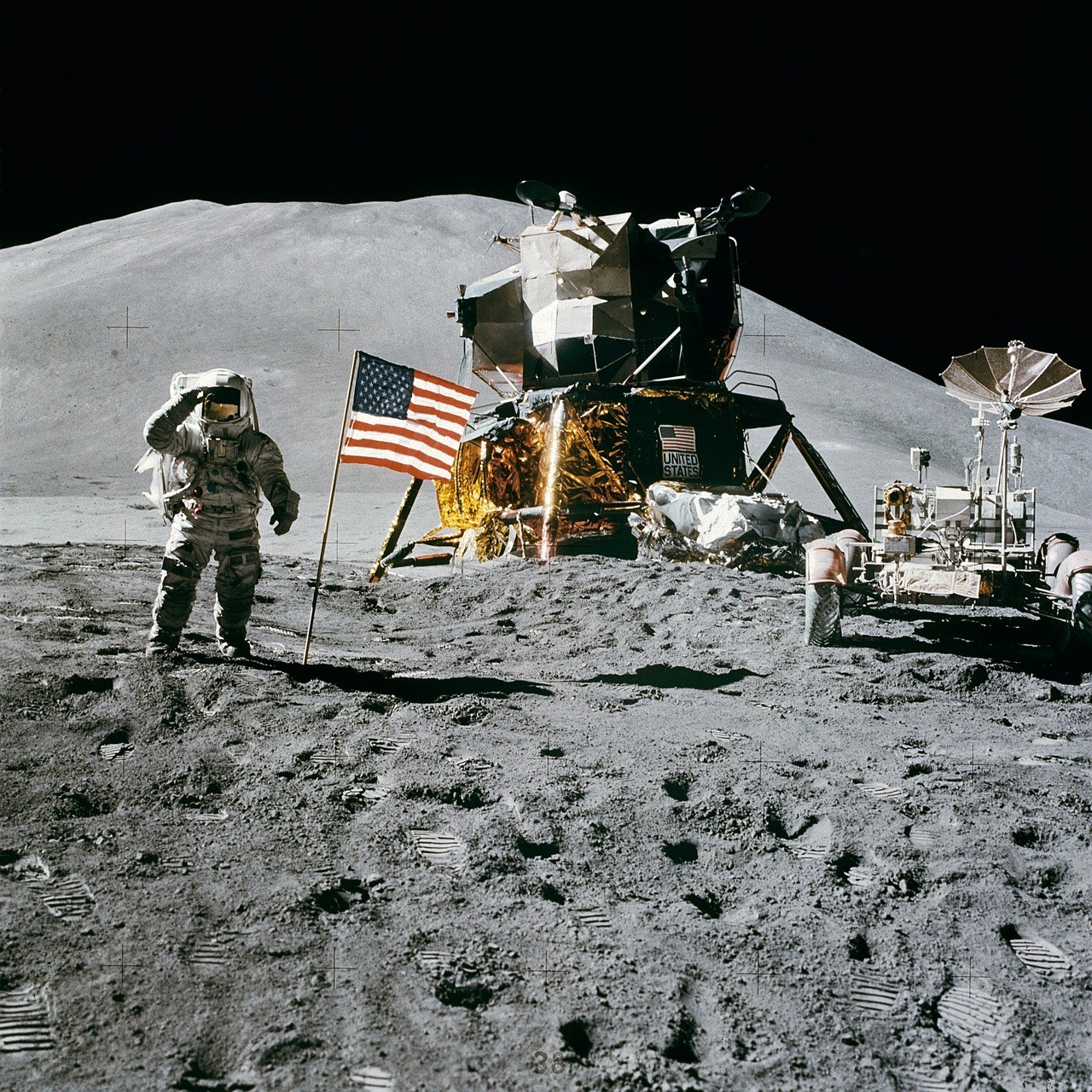
As Artemis II and China’s Chang’e 7 race toward the Moon’s south pole, geopolitics, lunar resources, and bold sci‑fi visions converge in a new space era.

Explore AENARA's Mars habitat concept and the technologies that could keep future astronauts alive on the Red Planet.
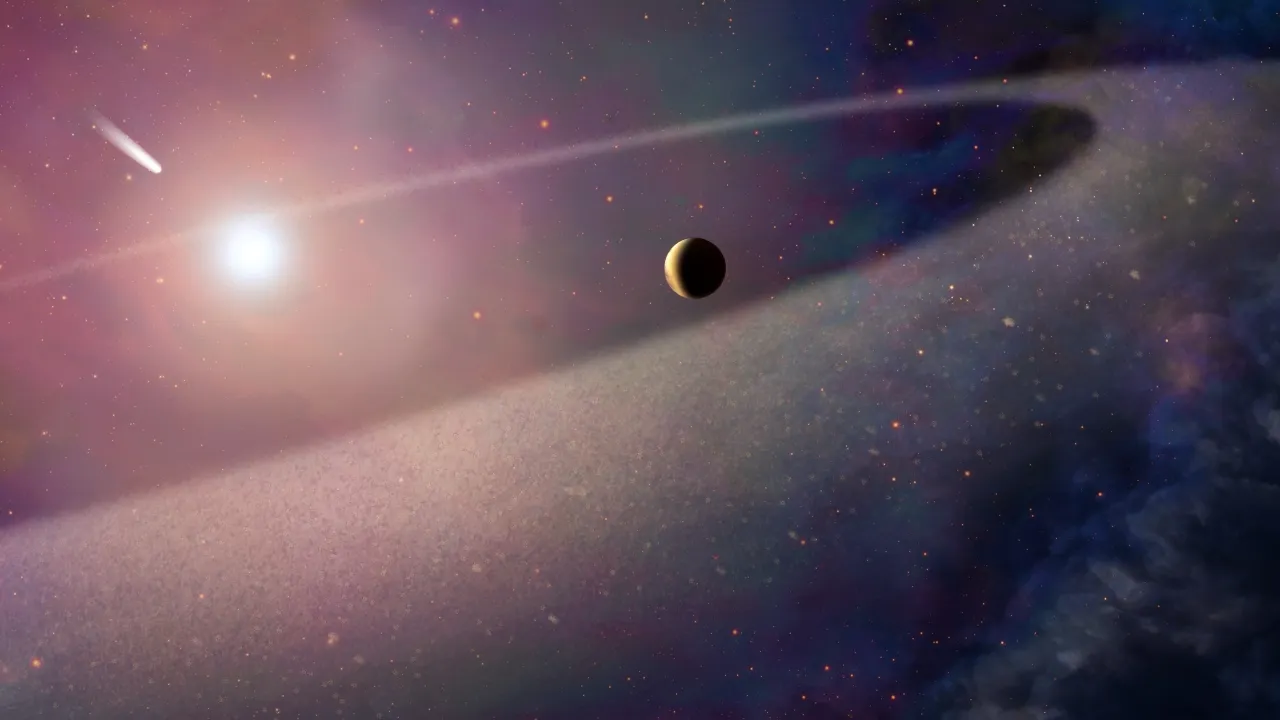
NASA's Hubble telescope solved a 27-year cold case: a second-generation planet born from a dead star's debris. Here's why it changes everything for space Sci-Fi
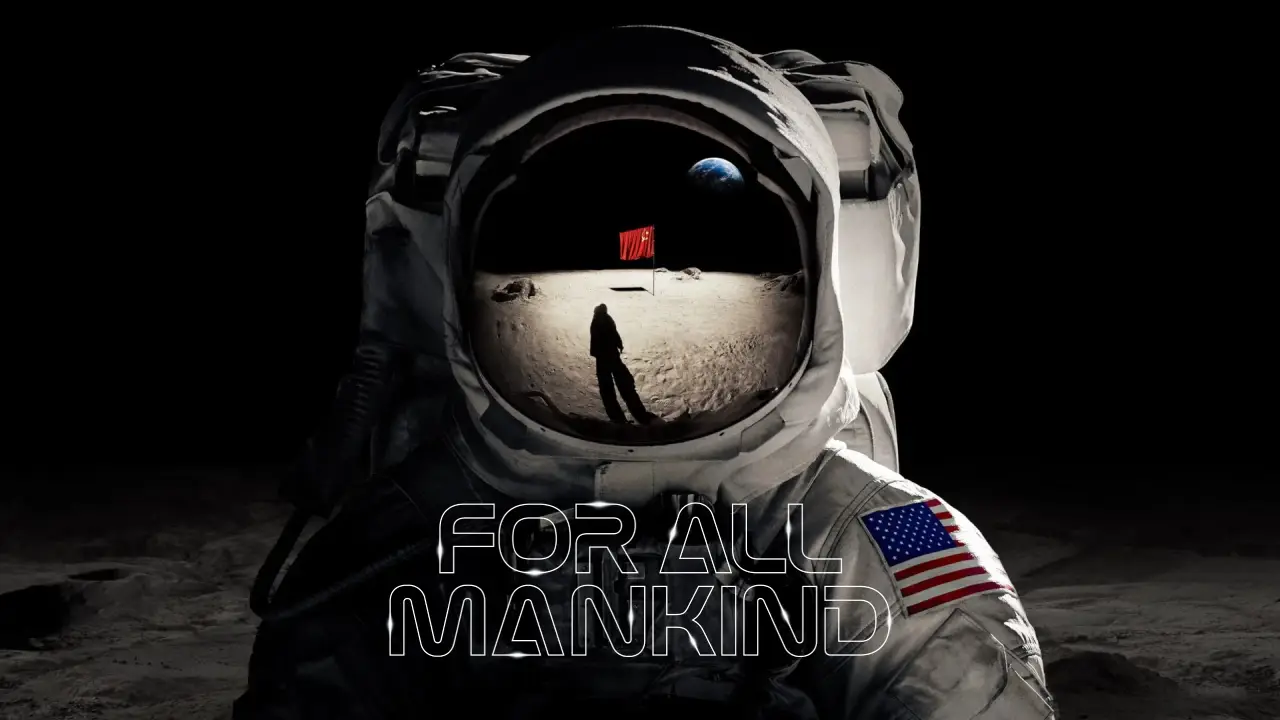
With a 91% Rotten Tomatoes score and a final season confirmed, For All Mankind has overtaken Star Trek as TV's best space sci-fi. SciNexic analyses how.
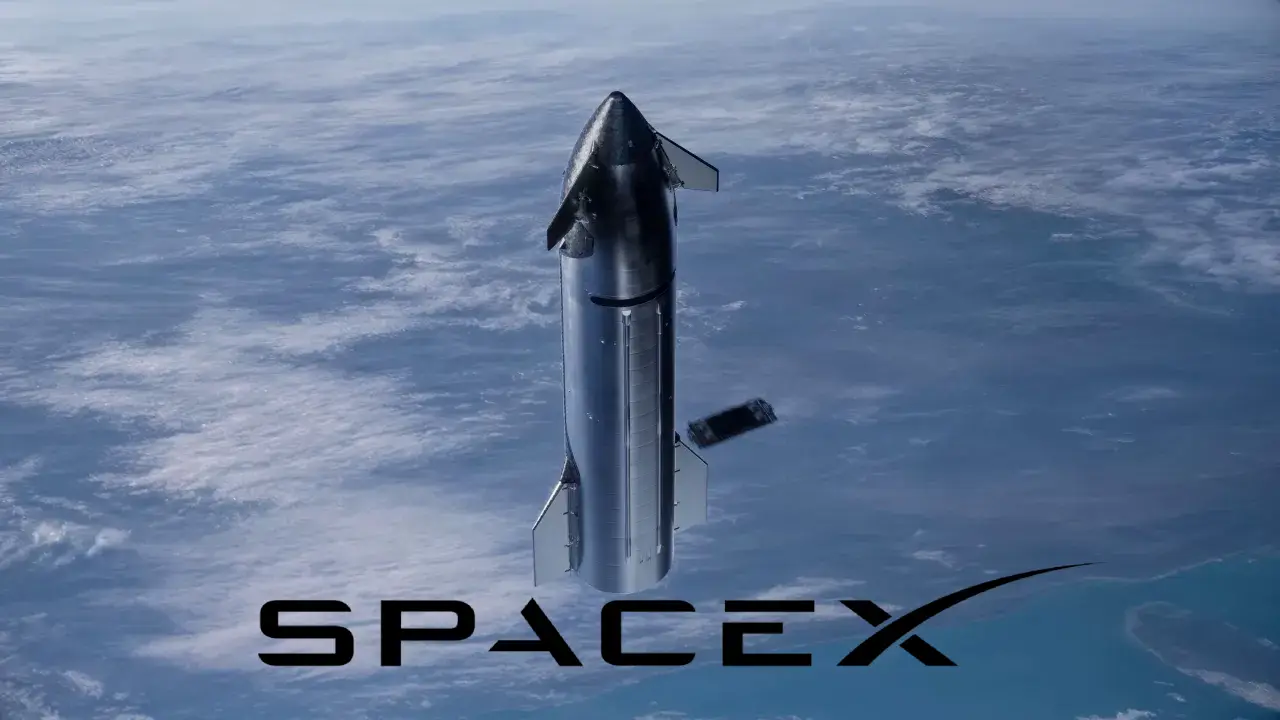
SpaceX Starship reached orbit for the first time on 28 September 2026, deploying Starlink V3 satellites despite engine issues. SciNexic analyses the milestone.
Caltech's ASTRA robot autonomously assembled a structure in orbit for the first time, bringing space sci-fi's orbital habitats closer to engineering reality.
Explore AENARA's Mars habitat concept and the technologies that could keep future astronauts alive on the Red Planet.
With a 91% Rotten Tomatoes score and a final season confirmed, For All Mankind has overtaken Star Trek as TV's best space sci-fi. SciNexic analyses how.
JWST discovers TOI-561 b, a scorched super-Earth with an atmosphere that should not exist — silicate clouds, a magma ocean, and lessons for space sci-fi.
NASA's Hubble telescope solved a 27-year cold case: a second-generation planet born from a dead star's debris. Here's why it changes everything for space Sci-Fi
SpaceX Starship reached orbit for the first time on 28 September 2026, deploying Starlink V3 satellites despite engine issues. SciNexic analyses the milestone.
As Artemis II and China’s Chang’e 7 race toward the Moon’s south pole, geopolitics, lunar resources, and bold sci‑fi visions converge in a new space era.